Events posted are for the biosafety community and are not automatically approved for CM Points.
Approved trainings can be found here.

Have an event? List it in the Biosafety Calendar.
Events submitted must be approved and may take up to 3 business days to appear on the website.
If you login first you will be able to modify your calendar events if you need to.

Events

Views Navigation

Event Views Navigation

Today
  • 6V. Selection and Use of Personal Protective Equipment (PPE)

    Webinar

    Recent infectious disease outbreaks highlighted the need for the proper use of Personal Protective Equipment (PPE). The guidance on use of appropriate PPE varies greatly and can often be contradicting and therefore confusing to the end user. Furthermore, availability of different PPE often varies depending on the situation and location. Selection of appropriate PPE should be based on a comprehensive risk assessment that takes in consideration the different hazards present, as well as the procedures/activities to be conducted. Often times, locations where PPE is needed vary as well, from a well-controlled laboratory environment to collection room or a field location, and even in a patient room setting. Each of these situations require staff to be able to perform a comprehensive risk assessment, often in a fast-evolving situation and with a minimal understanding of specifications associated with different PPE components available to them. This course will provide overview of different PPE options available; specifications associated with each option, and address a risk assessment process for selection of appropriate PPE for different environments. The examples will include some of the most common issues and considerations when selecting PPE such as supply chain issues as well as strategies to address behavioral concerns that may arise. In groups, participants will develop risk assessment for different scenarios, present their risk assessment to the class, and evaluate each other’s PPE selection based on their risk assessment. Instructors will guide participants through the process by providing critical feedback on the PPE features and selection process as they progress. The course will go through an effective risk assessment process which is critical for proper selection of appropriate PPE. The course is intended for those who want to be able to lead or aid in the selection of appropriate PPE in order to enhance both biosafety and biosecurity at their institution.

  • The Association of Biosafety for Australia and New Zealand, 11th Annual Conference

    Rydges Lakeland Resort Queenstown 38-54 Lake Esplanade, Queenstown, New Zealand

    The 2023 conference will be the first opportunity for our community to come together in New Zealand,  since the onset of the COVID-19 pandemic. We’re excited to be hosting the 2023 ABSANZ Conference in Queenstown, a city well-known as New Zealand's gateway to world-class nature, food and wine as well as cultural activities and experiences. With multiple airlines operating flights into the city, Queenstown is on average three hours from most of Australia’s capital cities, making it an easy destination for delegates to access from across the Tasman. We encourage delegates to extend their trip either side of the conference, [...]

  • BSL-3 Operations, Maintenance & Verification Training

    UCI National BSL-3 Training Program 4600 Health Sciences Rd. , Irvine, CA, United States

    This introductory course is a four-day training designed to certify personnel for safe entry into an operational BSL-3 laboratory. This course consists of a mixture of classroom and practical training that includes an introduction to microbiology, biosafety, risk assessment concept, BSL-3 lab characteristics, emergency management and personal protective equipment (PPE) use including procedures for donning and doffing PPE with N95 or various PAPR respirators. This course is suitable for O&M personnel and other non-research staff who may need to enter BSL-3 facilities to perform maintenance or make repairs. The ANSI/ASSE Z9.14 Standard focuses on performance verification of engineering controls specifically [...]

  • The Importance of Biosecurity for Public Health and Safety

    Virtual

    The SWCOEH Industrial Hygiene Seminar Series is presented by industrial hygienists, safety professionals, and other public health professionals to discuss emerging issues, trends in technology, current research, and applicable tools for use in the field. Industry professionals and academic experts provide practical lessons in management, equipment, compliance, and the latest in research and technology. SWCOEH Industrial Hygiene Seminar Series is brought to you by the Continuing Education (CE) Program of the Southwest Center for Occupational and Environmental Health, a NIOSH ERC at UTHealth School of Public Health. CEUs available! This event meets the Category 4 Education requirements of the American [...]

    $60
  • 14. The FBI’s Weapons of Mass Destruction (WMD) Program and Safeguarding the Bioeconomy

    Webinar

    The FBI’s Weapons of Mass Destruction (WMD) Program and Safeguarding the Bioeconomy webinar will demonstrate how the FBI’s WMD Program interfaces with biosafety officers. This information can be helpful especially as biosafety offices deal with the evolving threat that biotechnology can pose. With its rapid growth, the U.S. bioeconomy increasingly serves as a critical foundation for American competitiveness in a global environment. When it comes to security, biological threats have historically focused on emerging infectious diseases or the possibility of engineering a virus that could start a zombie apocalypse. As biology continues to converge with cyber, new security challenges will arise. This presentation will highlight the need to radically redefine what we consider biological and cyber threats.

  • 7V. Laboratory Facility Programming and Design Best Practices

    Webinar

    This course will offer guidance of key principles underlying the programming and design of research and diagnostics laboratories. It is intended for architects, designers, and biosafety professionals desiring an increased awareness of the complexity and challenges associated with designing a laboratory. Participants will be introduced to the laboratory design process as it relates to programming and pre-design, building zoning, operational efficiency, biosafety and biosecurity considerations, and flexible/expandable strategies. Participants will participate in guided discussions, develop diagrams to illustrate best practice concepts, and analyze existing plans with respect to the design principles under discussion.

  • Emergency Planning For Different Laboratories: A Panel Discussion – Hybrid Meeting

    Dutch's Daughter or Virtual Option 581 Himes Avenue, Frederick, MD, United States

    Join the Chesapeake Area Biological Safety Association for a panel discussion about emergency planning for different types of laboratories with distinguished panelists:Garth Phoebus, M.S., Chief of Emergency Management, USAMRIIDJonathan Bratt, M.S., C.E.M., N.R.P., Assistant CP, Office of Enterprise Resilience, University of Maryland, BaltimoreDavid Ferris, Executive Director, Safety and Emergency Management, George Mason UniversityModerated by Elizabeth Bramhall, MPHTime: 5:30 – 6:00 PM (Networking) | 6:00 – 6:45 PM (Dinner) |6:45 PM – 8:00 PM (Technical Seminar)ChABSA Member PricingEarly Bird Fee (By December 18, 2023): $35Regular Fee (By December 18, 2023): $40Late Fee (Can only attend via virtual platform after November 10, [...]

    $35 – $45
  • FREE MABioN Webinar – Considerations for Working with LCMV – From Bench to Bedside

    Zoom , United States

    Webinar summary: Lymphocytic choriomeningitis virus (LCMV) is a single-stranded RNA arenavirus commonly used in laboratory animal models to examine acute and chronic viral infections and immunopathology. However, there is wide variation in LCMV biosafety practices between institutions, based on differing interpretations of guidelines and risk data. This lack of consensus can pose a challenge to the biosafety professional who may be evaluating LCMV use at their facility. The first part of this presentation will compare the two most common laboratory strains of LCMV, demonstrate the variation in biosafety policy between institutions, and discuss one institution’s recent approach to navigating [...]

  • 10V. Institutional Biosafety and Biosecurity – Enhancing Oversight through Effective Governance

    Webinar

    This course will discuss the importance of ensuring institutions have robust and comprehensive biosafety and biosecurity governance structures in place. Information will be provided about Federal activities related to strengthening biosafety and biosecurity practices and oversight. Participants will discuss and share tools and best practices that institutions can employ to enhance their biosafety and biosecurity programs.Participants will break into small groups to discuss a case study involving a biosafety incident occurring at an institution subject to the NIH Guidelines for Research Involving Recombinant or Synthetic Nucleic Acid Molecules (NIH Guidelines), which illustrates the importance of institutional biosafety oversight and how inadequate local oversight can result in significant problems. Participants should ideally have a working knowledge of the roles and responsibilities of institutions, Institutional Biosafety Committees (IBCs), and Institutional Review Entities (IREs) for biosafety and biosecurity oversight of research subject to the NIH Guidelines and the U.S. Government Policy for Institutional Oversight of Life Sciences Dual Use Research of Concern (DURC).

  • 01. What is Biosecurity? Why is it Important?

    Webinar

    In order to mitigate biorisks, entities must integrate biosafety and biosecurity to effectively identify, assess, control, evaluate, and develop informed plans to mitigate risks inherent to their activities. In this webinar we will discuss the importance of biosecurity as a part of a robust biorisk management program. We will define biosecurity, explore the importance of biosecurity, provide employee awareness considerations, and address the basics of developing integrated biosecurity plans. We will also discuss considerations for special communities, such as laboratory animals and clinical laboratory services.

  • FRaBSA Fall Meeting

    FRaBSA Fall Meeting January 26, 2024 (all times are MST) Agenda 11:30-12:00 pm Gathering/Welcome/Introductions- Megan Brose, FRaBSA President Business Meeting-Megan Brose, FRaBSA President Outreach Committee Report, Education Committee Report, Communication Committee Report, Finance Report, New Topics 12:00-12:30 pm Sponsor Presentation: Merrick 12:30-1:15 pm Proposed Updates to the NIH Guidelines and Other Stories Kathryn Harris, Senior Outreach and Education Specialist in the Office of Science Policy (OSP), Division of Biosafety, Biosecurity, and Emerging Biotechnology Policy at the National Institutes of Health (NIH) 1:15-2:00 pm After the Pandemic: Personal Protective Equipment Education & Research Updates Dr. Beth Beam, Associate Professor in [...]

  • CABS-ACSB Webinar: Why do Biosafety Professionals Move to Other Countries?

    Virtual

    Please join us on January 30, 2024 for the next webinar available to CABS-ACSB Members as part of our webinar series!The topic Why do Biosafety Professionals Move to Other Countries? is presented by Luis Ochoa Carrera, Office of Environmental Health and Safety at Michigan State University.In some countries, biosafety professionals are known as biosafety officers, biosafety responsibles, biosafety staff, biosafety managers, or biosafety designees, among others. The role and activities of these professionals has been remarkable in preventing accidents from happening, in responding lab emergencies, in doing risk assessments, and in providing guidance expertise to all members of an institution. [...]

  • 2024 BioNet Hybrid Lunch Meeting

    Please register for our 2024 BioNet Hybrid Lunch Meeting which will happen on February 23rd, 2024. Topics covered include: Viral Vector Overview and ABSA Credentials. Participants are eligible for up to 0.25CM points. Register Now

    $10 – $15
  • 03. Prevent and Manage Amplicon Contamination in Laboratories

    Webinar

    Preventing and Managing Amplicon Contamination in the Laboratory is a webinar that will help biosafety professionals, researchers, laboratory personnel, and other health and safety professionals to understand amplicon contamination, how to mitigate contamination events, and how to prevent future contamination. The webinar will discuss the lab processes that produce nucleic acid amplicons, their impacts to human health, the signs and symptoms of amplicon contamination, and how they can impact laboratory work or research. At the conclusion, participants will be able to develop strategies to manage and prevent amplicon contamination and understand the importance of this topic for biosafety professionals.

  • 05. Biosafety and Good Manufacturing Practices (GMP): How to Live in Harmony

    Webinar

    Biosafety and Good Manufacturing Practices (GMP): How to Live in Harmony is a webinar that will help anyone who works in a GMP/quality environment that also must consider biosafety requirements. The webinar will discuss what GMP is, why it is important, and how to harmonize GMP and biosafety requirements and regulations. At the conclusion, participants will understand what GMP is, why it is critical for manufacturing facilities, and how to ensure biocontainment is maintained while also ensuring product safety. The webinar will be led by a biosafety professional with over 5 years’ experience in a GMP/manufacturing environment.

  • Select Agents ChABSA Technical Seminar – Hybrid Event

    Victoria Gastro Pub 8201 Snowden River Parkway, Columbia, MD, United States

    Elected President of ABSA International, Sherry Bohn, PhD, MSL, CBSP (ABSA), acting director of environmental health and safety (EHS) at the University of Maryland, Baltimore will present on the "ins and outs" of the Select Agent Program, when you need to and don't need to register, and much more. A microbiologist by training, Dr. Bohn holds degrees in molecular biology, communication, and law, giving her a unique perspective on the research compliance landscape. Member Pricing Early Bird Fee: $35 Regular Fee: $40 Late Fee: $40 Non-Member Pricing Early Bird Fee: $40 Regular Fee: $45 Late Fee: $45 More information [...]

    $35 – $45
  • 18th CDC International Symposium on Biosafety

    Crowne Plaza Atlanta Perimeter at Ravinia 4355 Ashford Dunwoody Rd, Atlanta, GA, United States

    ABSA International is partnering with Eagleson Institute and Centers for Disease Control and Prevention to bring you the 18th CDC International Symposium on Biosafety Keynote addresses: James Connelly, CEO My Green Lab Renee Horton, PhD, Armstrong Flight Research Center, NASA. New this year: Tours: Emory Primate Center Field Research Station CDC Emergency Operations Center, Teaching Lab, & Museum New format: Next level interactive format, with presentations in the morning followed by deep dive workshops in the afternoon. Day One: The Modern Workplace Learn about modern design and technologies, then get hands-on with highly interactive workshops on waste management, sustainable [...]

  • SOLD OUT: Principles & Practices of Biosafety®

    Embassy Suites by Hilton San Diego Bay Downtown 601 Pacific Highway, San Diego, CA, United States

    ABSA INTERNATIONAL Principles & Practices of Biosafety® March 10-15, 2024 Embassy Suites San Diego Bay Downtown San Diego, CA Registration for this offering is currently closed. If you would like to add your name to the waitlist for early notification for the next session, please contact the ABSA Office at info@absa.org. Having your name on the waitlist does NOT guarantee you a seat in the next offering. Download the Flyer A COMPREHENSIVE, INTERACTIVE 5-DAY COURSE Principles & Practices of Biosafety® will introduce the essential elements of biosafety and provide extensive resource lists for use after the course. [...]

  • 12. PR & Communication Essentials for Biosafety Professionals

    Webinar

    PR Essentials for Biosafety Professionals is a webinar for anyone who communicates with different audiences about biosafety. The course will provide a foundation in public relations practices including practical tips on how to: effectively communicate key biosafety messages to media and others within your organization; craft messages for different audiences, execute media training tactics and effectively position biosafety and yourself as the biosafety SME (Subject Matter Expert) within an organization. The webinar will highlight specific public relations techniques and media strategies, provide real-life scenarios, Dos and Don’ts for working with media and offer real-time discussions to apply lessons in practice-and-critique drills. At the end of this two-hour course, participants will have a baseline understanding of the importance of key message development, how to effectively work with members of the media (indu stry, trade, consumer) and how to leverage biosafety and subject matter expertise within an organization. The webinar will be led by communications experts with over 25 years’ experience developing and sharing messages with a wide variety of target audiences, including media.

  • Webinar: From Bench to Bedside: Navigating Biosafety in Gene and Cellular Therapy

    The topic From Bench to Bedside: Navigating Biosafety in Gene and Cellular Therapy is presented by Dr. Alka Arora, Quality Program Manager at UHN. The advancement of cell and gene therapy towards standard clinical practice necessitates rigorous biosafety measures at every phase of development, spanning from initial basic laboratory research to clinical trial and commercial production. Adherence to meticulous biosafety protocols in conjunction with GxP requirements mitigates potential risks for the personnel involved in research and manufacturing and ensures the safety, purity, and efficacy of the product. The discussion will underscore the importance of implementing and adhering to comprehensive biosafety [...]

  • 04. Battling Professional Burnout by Taking Control of Your Biosafety Career

    Webinar

    Professional “burnout” arises from constant exposure to emotional and interpersonal stress and has been defined by the psychological community as exhibiting dimensions of exhaustion, cynicism, and inefficacy. While traditional means of addressing burnout include interventions such as rest, proper diet, and techniques for relaxation, an emerging body of knowledge is also identifying positive engagement as a promising option for consideration. The dimensions of engagement include renewed dedication, absorption, and vigor. In other words, reframing the way individuals approach their work and establishing strategies for gaining control of their careers can be a powerful means of addressing burnout. In this presentation, four practicing and credentialed biosafety professionals will share their collective experiences on how enhanced control over and a better understanding of the role of biosafety’s role can lead to a more professionally rewarding career. Strategies and examples of the techniques that have been used to achieve these goals will be described, and ample time will be allocated for questions and discussion.

  • 1V. Personnel Security in Laboratory Biosecurity Programs

    Webinar

    Personnel security is comprised of security measures focused on people and behaviors rather than typical physical barriers approaches. Personnel security can be thought as the "administrative controls" in any advanced security program. This course will teach administration, management, and researchers the basic principles of threat assessment and introduce participants to the role of comprehensive personnel security in a laboratory biosecurity programs. The course is intended to give participants a basic tool-kit that will allow them to implement successful comprehensive insider threat mitigation strategies using personnel security approaches at their home institutes and to convey concepts in personnel security to their colleagues. Participants will be presented with relevant case studies in order to learn about relevant threats in the biomedical and health sectors. Participants will learn about all aspects of personnel security including: suitability, reliability, peer and self reporting strategies, threat assessment, OPSEC, INFOSEC, and an introduction to elicitation, manipulation and surveillance awareness. These concepts will be put in to practice in interactive, live role-playing scenarios that include interview tactics, deception detection elicitation and surveillance detection. Regulatory issues relevant to implementation of personnel security management programs, in particular changes to the Select Agent Regulations pertaining to Tier 1 agents, will also be discussed.

  • 3V. Using the Incident Command System for Responding to Biosecurity Incidents

    Webinar

    The Incident Command System (ICS) is the national gold standard for responding to any size incident in the United States. President George W. Bush mandated its use for all Federal Agencies and strongly recommended its use at all levels of government and within private organizations. The authors of this course have a significant amount of ICS experience, including the highest level of qualification in ICS: Type 1 Incident Commander. They have successfully used ICS in real-life laboratory incidents and Biosecurity exercises. The instructors intend to give the participants an overview of ICS and enough information to incorporate the system into their plans, training, and exercises. This will enable participants to begin maximizing response effectiveness and efficiency during a real laboratory incident.

  • Harvard Yale IBC Symposium 2024 Pre-conference Courses

    Harvard Yale IBC Symposium (HYS) 2024 Introduction and Overview The theme of the 2024 HYS symposium is high-risk research, including dual use research of concern, gain of function, transfer of drug resistance that may not be acquired naturally, altering the host range of pathogens, or enhancing a potential pandemic pathogen.  The event will kick-off with presentations from leading policy makers who will provide an update on the current landscape in the United States on this topic and provide information on how existing policies must transition to keep up with the rapid advancements in science.  We are excited to introduce our [...]

    $150.00
  • Harvard Yale IBC Symposium 2024

    Harvard Yale IBC Symposium (HYS) 2024 Introduction and Overview The theme of the 2024 HYS symposium is high-risk research, including dual use research of concern, gain of function, transfer of drug resistance that may not be acquired naturally, altering the host range of pathogens, or enhancing a potential pandemic pathogen.  The event will kick-off with presentations from leading policy makers who will provide an update on the current landscape in the United States on this topic and provide information on how existing policies must transition to keep up with the rapid advancements in science.  We are excited to introduce our [...]

    $300.00
  • 2024 April BioNet Symposium

    2024 BioNET Symposium Friday, April 26, 2024 9:00am am- 2:00 pm, PDT In Person: La Jolla Institute 9420 Athena Circle, La Jolla, CA 92037  OR Web Meeting via Zoom Link will be sent to registrants 24 hours prior to the meeting. Lunch will be provided for in-person meeting attendees. Topics include the following: Biosafety Level 3 Emergency Response Procedures Accommodations for Work in Laboratory Environments Artificial Intelligence Role in Biosafety Training Expert Panel to Discuss Lab Accommodations.   Register Now

  • 2V. Tactical Implementation of Biosecurity Principles: An Advanced, Scenario-Driven Course on Risk and Threat Management Programs

    Webinar

    A distinguishing factor between security and biosecurity programs is the fact that biosecurity programs are focused on assets that are biological in nature. This brings forth unique distinctions in implementing risk- and threat-based approaches to prevent the release, loss, or theft of these assets. This advanced workshop will challenge attendees to fully analyze a single biosecurity driven scenario through a series of risk and threat management decision-making. Participants will learn the principles of biosecurity, which set it apart from traditional security, by applying tactical methodology to analysis of a real-world biosecurity case study. The outcomes of this intensive course will be identification of biosecurity-specific risk and threats, their corresponding prioritization against a mitigation plan, approaches for blending these inputs for comprehensive biorisk management, and finally, an integrated biosecurity plan. Participants will leave the course with tools that will be applicable to their host institutions for future engagements building effective integrated biosecurity plans against scenarios.

  • 07. Fundamentals of Microbiology and Infectious Disease

    Webinar

    Fundamentals of Microbiology and Infectious Disease is intended for those professionals that participate in protocol review, facilities planning, and any other risk assessment activities, but are unsure as to the actual nature of the disease risks of microbiological agents. Biological safety and risk assessment will not be covered in this course. The proposed topics will cover infectious agents, virulence factors, pathogenicities, host-microbe interactions, susceptibility, modes of transmission, and the changes seen in the microbial world. If you don’t know the difference between a TCID50, PFU, or ID50; or why HBV is stable in dried blood and HIV is not; or why influenza is an inhalation hazard; or why public health officials advocate flu shots each year—then this course is for you.

  • International High Containment Operations and Maintenance Workshop

    The Vaccine and Infectious Disease Organization (VIDO). the Canadian Association for Biological Safety/ L’Association Canadienne Pour La Sécurité Biologique (CABS-ACSB) and Merrick Canada ULC are pleased to co-present the International High Containment Operations and Maintenance Workshop . This workshop addresses the increasing needs of facility operators, maintenance and operations staff for training in relevant aspects of biocontainment facilities and fills a critical need within the operations and maintenance community. This four day course allows participants to gain hands-on experience in some of the special containment and facility support areas (CL3 and CL3-Ag) of the International Vaccine Centre (InterVac), Canada’s newest [...]

  • 4V. Using One Health to Advance Biosecurity

    Webinar

    Agricultural biosecurity is a critical component of the One Health concept. It includes various strategies designed to safeguard the health and welfare of agriculturally important animals, the environment, and society in general by preventing infections and their spread among these species, humans, and nontarget species, including wildlife. Increased movement of live animals and their products, as well as the growing trend towards intensification and expansion of animal production systems, represents a significant risk to food supply chains, public health, and the economy due to the possible emergence and spread of exotic animal pests and pathogens, zoonotic diseases, and foodborne agents. Effective management and control of these challenging and complex risks requires application of core principles and cohesive strategies that emphasize sustainability through improved husbandry and health management practices.

  • 3rd International Biosecurity Virtual Symposium

    Virtual

    May 7-8, 2024 The Symposium will bring together biosecurity professionals from a wide range of disciplines with varying expertise to share their experiences and knowledge on diverse biosecurity topics. The Symposium will offer attendees an opportunity to learn the latest in biosecurity and have thought-provoking conversations about real-world biosecurity issues, concerns, and scenarios. Who should attend? Biosafety and biosecurity professionals, defense contractors, emergency responders, government employees, law enforcement personnel, security personnel, policymakers, regulators, researchers, students, and other interested parties. Symposium Highlights Virtual professional development courses to sharpen biosecurity knowledge and skills. Two full days of presentations, papers, panels, and exciting [...]
  • 2024 SEBSA Biosafety Symposium

    Auburn University 540 Devall Dr, Auburn, AL, United States

    Join Southeastern Biological Safety Association (SEBSA) for our live symposium.  Besides wide range of talks we will have tours of Auburn University Poultry Research Farm.   More information

    $50
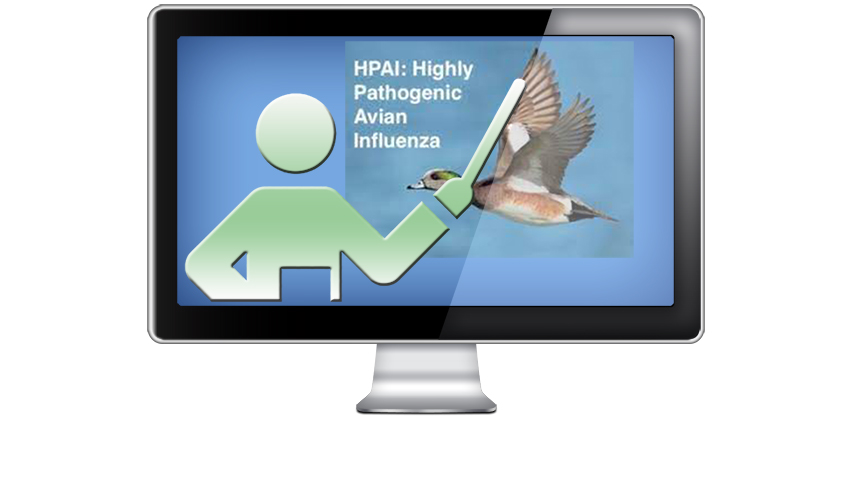
  • 06. Working with Highly Pathogenic Avian Influenza Virus (HPAIV)

    Webinar

    Highly pathogenic avian influenza virus (HPAIV) has recently become widespread globally in animals. Human infections are rare but are reported consistently. Therefore, work with HPAIV may encompass a wide variety of activities including lab-based research, animal work, field studies, and handling of positive diagnostic specimens. The goal of this workshop is to enable the audience to understand the basics of HPAIV, the risk associated with handling the virus or positive samples, and mitigations for handling it. An introduction to the basic biology of HPAIV including a brief description of pathobiology including modes of transmission and exposure routes among different species. A summary of what is known about transmission of the virus to and from wild birds. What is known about transmission from avian species to mammals will be covered from both a virus, exposure route, and disease pathogenesis perspective. Biosafety and biosecurity for handing HPAIV in the lab, animal research and field specimens will be described.

  • 08. Concepts of Virology

    Webinar

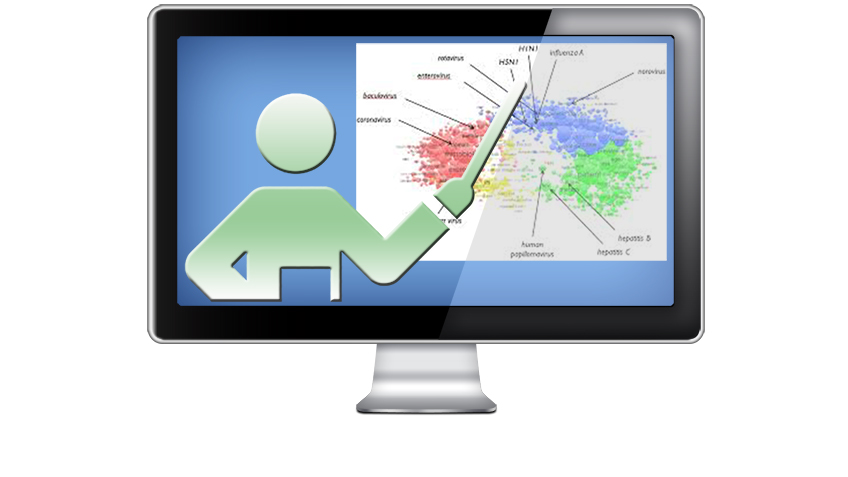
    Concepts of Virology will briefly review gene expression in eukaryotes and examine several concepts of virology. Characteristics of different viral families will be presented as well as general replication strategies employed by different viruses. Mechanisms of viral pathogenesis and strategies for antiviral intervention will also be explored. Participants should have a familiarity with molecular biology. The course is targeted to the biosafety professional who does not actively conduct laboratory research but would like to gain a basic knowledge of virology.

  • Preventing and Treating Biological Exposures: An Occupational Health Colloquium

    Hotel Murano Broadway, Tacoma, WA, United States

    Colloquium topics include: Newly updated Lentiviral Vector Guidelines Presented for the first time with primary author Gary Fujimoto, this program will discuss new issues associated with lentiviral and retroviral vectors along with updated recommendations for post-exposure prophylaxis. With the FDA approvals for multiple vector-based therapies, the number of individuals working with these agents is rapidly expanding. While these technologies generally involve replication-deficient agents, the potential hazards associated with transgene incorporation into one’s genome need to be conveyed to all those working with these vectors. TB Expert Group Mycobacterium Tuberculosis has been a leading cause of death throughout much of [...]

  • 17. Export Compliance for the Biosafety Professional

    Webinar

    Export Compliance for the Biosafety Professional is designed to help biosafety officers and other professionals understand how U.S. export control laws and regulations intersect with the roles and responsibilities of a biosafety administrator. The webinar will discuss the regulatory framework governing exports from the United States, how to navigate export compliance challenges in academic and medical research environments, and best practices for handling biological exports while maintaining safety and security. 

  • 14. APHIS 101: Arthropod and Plant Research Permits

    Webinar

    APHIS 101: Arthropod and Plant Research Permits is a webinar for those that work with plant pathogens, arthropods, or with genetically modified plants and insects. This course will provide participants with an overview of APHIS (Animal Plant Health Inspection Services) eFile including BRS (Biotechnology Regulatory Services), PPQ (Plant Protection and Quarantine), and VS (Veterinary Services) permitting. It will also review EPA (Environmental Protection Agency) labeling and wildlife permits and address intrastate and interstate movement of permitted organisms. The course will offer various scenarios and interactive exercises that show the process of applying for and acquiring permits. Participants will be guided through permit strategies.

  • MABSA 36th Annual Hybrid Symposium on 6/21/2024

    Pfizer North Middletown Road, Pearl River, NY, United States

    MABSA is pleased to announce our upcoming 36th Annual Hybrid Biosafety Symposium. Please register and pay at www.mabsa.org. Date : Friday, June 21, 2024 Location: Pfizer, 401 N Middletown Rd, Pearl River, NY 10965 Members $50.00 in person/$25.00 virtual Non-Members $70.00 in person/$45 virtual (Non-member registration offers one year membership in 2024) Students $20.00 in person/$10.00 virtual Meeting agenda will be provided shortly. Register for the Symposium at www.mabsa.org Opportunity for exhibitor to increase your company’s visibility and support MABSA! Attached please find the MABSA exhibitor prospectus 2024. Register for the exhibition at the Symposium at www.mabsa.org Hotel information Pearl [...]
    see information
  • 16. Gain-of-Function Research: Biosafety vs. Biosecurity

    Webinar

    Gain-of-function research: biosafety v. biosecurity is a webinar designed for biosafety/biosecurity professionals and communicators to understand “gain-of-function" research that involves the creation of novel pathogens with pandemic potential. The goal is to develop an understanding and the tools to explain what gain-of-function research is; communicate why it is an important policy issue; and dispel myths about these and other studies that may constitute “dual-use research of concern”. The webinar will discuss the history and current debate, policy initiatives currently under consideration, and common myths and misunderstandings about these kinds of studies. A particular focus will be the difference between gain-of-function as a biosafety issue, compared to its biosecurity implications. At the conclusion, participants will grasp the policy, ethics, and history of gain-of-function research. The webinar will be led by a biosecurity expert with over 15 years’ experience studying, teaching on, and crafting policy for biosecurity for a variety of national and international groups.

  • 13. Animal Handler Risk Assessment

    Webinar

    This introductory webinar will provide an overview of the hazards associated with animal work and focus on the questions that should be asked in a risk assessment to elucidate the information needed to build a complete risk assessment profile for work conducted with animals and with animal derived tissues and specimens. The webinar will cover strategies for implementing the risk assessment, including how and when to involve other specialists, and integrating the process into the overall occupational health program. Circumstances where additional information is needed to complete the risk assessment will be identified; such situations will require follow-up interviews and in some cases site visits by the biosafety professional. Translation of the risk assessment into recommendations for risk mitigation will be discussed.

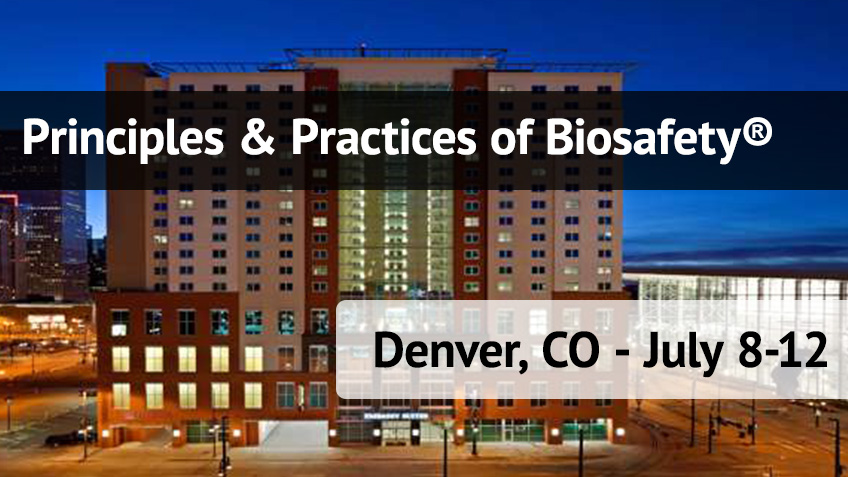
  • Principles & Practices of Biosafety® – Denver, CO

    Embassy Suites–Denver Downton Convention Center 1420 Stout Street, Denver, CO, United States

    ABSA INTERNATIONAL Principles & Practices of Biosafety® July 8-12, 2024 Embassy Suites—Denver Downtown Convention Center Denver, CO Registration coming soon. Download the Flyer A COMPREHENSIVE, INTERACTIVE 5-DAY COURSE Principles & Practices of Biosafety® will introduce the essential elements of biosafety and provide extensive resource lists for use after the course. Interactive exercises will be used throughout to provide hands-on experience and to encourage networking and problem-solving among participants and instructors. Sessions begin at 8:00 am each day and end with a roundtable discussion between 5:15 and 5:30 pm with two coffee breaks and lunch provided. OBJECTIVES [...]
  • 15. Q&A Infectious Substance Shipping

    Webinar

    Q&A Infectious Substance Shipping webinar provides an opportunity for participants to learn about recent changes to international regulations and interact with a panel of shipping experts. Regulatory experts from organizations to be determined and have been invited along with a packaging expert from Saf-T-Pak/Labelmaster to discuss hazardous material shipping. Participants will be afforded an opportunity to submit questions for the panel to review in advance. As many questions as possible will be discussed during the webinar. Questions not addressed will be collated, answered by the experts, and provided to all participants along with a transcript of the session.

  • 09. Large-scale Biosafety

    Webinar

    Large-scale Biosafety will review biosafety for work at large-scale, which the NIH rDNA Guidelines defines as >10L. The course will review Appendix K from GLSP to BSL-3 LS, with a focus on primary and secondary containment. It will review basic bioprocessing steps, such as fermentation/cell culture and purification technologies. Examples of classic and newer single use technologies will be provided. Pearls and pitfalls of the various technologies will be discussed, using various scenarios. The course will include a review of risk assessment techniques used for large scale bioprocesses and a discussion of large-scale related to vaccines, viral vectors, and recombinant proteins.

  • 2024 ABSA Biosafety and Biosecurity Training Course (BBTC®) Fort Collins

    Hilton Fort Collins 425 West Prospect Road, Fort Collins, CO, United States

    August 5-9, 2024 Hilton Fort Collins Fort Collins, Colorado A WEEK-LONG COURSE COVERING ANIMAL, GENERAL, AND PLANT BIOSAFETY AND BIOSECURITY Download the course flyer (PDF)The Biosafety and Biosecurity Training Course (BBTC®) is designed for persons who are interested in the varying aspects of the responsibility of biosafety professionals. It is also suitable for persons who supervise biosafety professionals and for those who will benefit from additional knowledge of biosafety as a complement to their primary responsibilities. The week-long training will address preparations for audits and inspections, BSL-2/BSL-3 building design and operations, clinical and public health lab biosafety, prion disease research, [...]

  • 10. Molecular Biology 101

    Webinar

    Molecular Biology 101 is intended for those professionals that participate in protocol review, facilities planning, and other risk assessment activities but lack a basic understanding of molecular biology and techniques. Following this course, attendees will be able to do more than regurgitate facts and use the new understanding of the principles of molecular biology in various situations at their institution. This course will cover topics such as the chemistry of nucleic acids, DNA replication, RNA transcription, and protein translation, the Central Dogma of Biology, DNA cloning, transfection of prokaryotic and eukaryotic cells, restriction enzymes, and recombinant DNA lab methodologies (including PCR, DNA fingerprinting, sequencing, and detection protocols). While this course will not turn you into a molecular biologist, it will give you enough background information to understand the nature and manipulation of genetic material and hopefully unveil the mystery of deoxyribonucleic acid.

  • Inaugural SBA-AMEXBIO International Symposium – 2024

    UT El Paso 500 W University Ave, El Paso, TX, United States

    "Biosafety Beyond the Borders: Unifying Biosafety and Biosecurity" This collaborative, international symposium will consist of: Pre-symposium Courses (Four Course Options, 4-hours each) Full-day Symposium Vendor Booths More Info

  • 18th Annual Applied Biosafety Meeting

    World Nature Forum Naters, Switzerland

    Swiss Biosafety Network (SBNet) is pleased to announce its 18th Annual Applied Biosafety Meeting scheduled for August 22nd/23rd 2024 in Naters/Brig, Valais, Switzerland.

  • 5V. Animal Research for Biosafety Professionals – An Introduction

    Webinar

    Animal Research has contributed to major scientific advances in biomedical, veterinary, and environmental sciences and in public health. However, these efforts often pose significant risks to the health and safety of research and facility staff due to the wide range of species, complex experimental procedures and equipment, and facility hazards that are involved. Balancing optimal worker safety and animal welfare with research objectives yields the best results but requires a solid understanding of how animal programs are managed and an ability to identify and mitigate inherent risks. This course provides a thorough introduction to routine hazards commonly encountered in animal programs that utilize rodents, small animals, nonhuman primates, aquatics, and agricultural species, with a primary focus on identifying and managing biological, chemical, radiological, and physical hazards. Topics include assessment and management of animal program hazards; universal regulations, guidelines, and quality standards that apply to animal research; duties and responsibilities of key program personnel; local oversight systems; best practices that enhance the quality of animal care; and strategies for biosafety professionals to develop and maintain effective partnerships with program staff and institutional animal care and use committee members. Opportunities will be provided to apply new knowledge and skills through interactive group activities and problem-solving sessions. The instructors are experienced laboratory animal veterinarians who are actively involved in the management, oversight, and evaluation of animal care and use programs. The primary target audience for this course are biosafety and general safety professionals with limited experience in the animal research environment.

  • ChABSA Hybrid Technical Seminar: Cyberbiosecurity: A Unique Marriage of Biosecurity and Information Systems

    Dutch's Daughter or Virtual Option 581 Himes Avenue, Frederick, MD, United States

    Cyberbiosecurity: A Unique Marriage of Biosecurity and Information Systems Presented By: Julianne L. Baron, Ph.D., CPH, RBP, President, Science and Safety Consulting, LLC Increasing reliance on the internet and technology in research and biomedical laboratories has opened these organizations up to increased focus for cyberattacks. These attacks may be perpetrated by external actors or individuals internal to the organization (purposefully or accidentally) and can take advantage of a lack of knowledge by research staff about phishing, access control best practices, and network security especially of research instrumentation, automated laboratory equipment, and building automation and control systems that may be connected [...]

    $20 – $45