What is Biosafety & Biosecurity?
A biosafety/biosecurity professional:
- Ensures the safe handling of biological materials to protect people, laboratories, and the environment
- Implements practices, equipment, and facility designs to prevent exposure and accidental release
- Oversees research involving microbes, DNA, animals, and biotechnology to ensure it is conducted safely
- Protects hazardous biological materials from theft, misuse, or intentional harm
- Focuses on security measures, access control, and accountability for pathogens
- Promotes the responsible and safe use of science in society
Biosafety
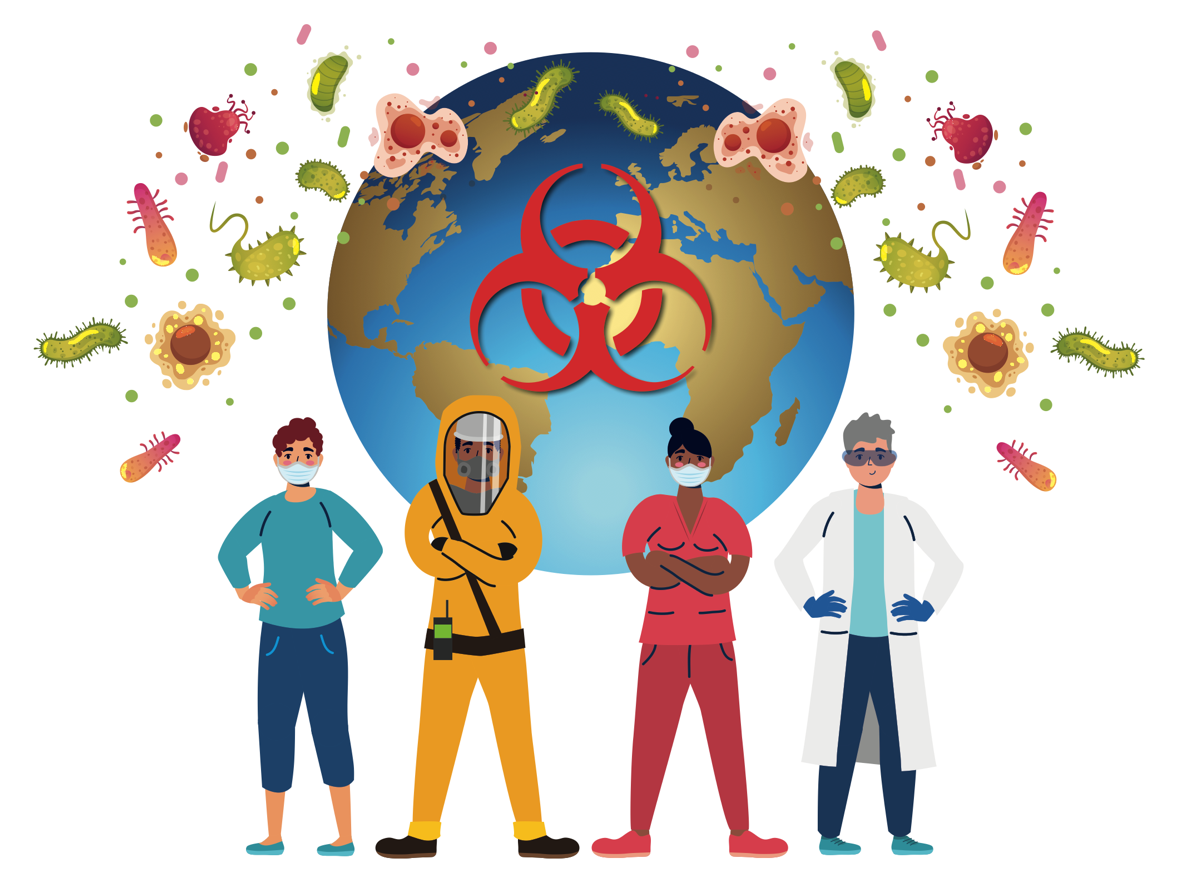 The concept of biological safety (biosafety) has developed alongside the field of Microbiology and its expansion into related areas such as tissue culture, recombinant DNA, animal studies, molecular biology, synthetic biology, and biotechnology. Biosafety refers to the set of principles, technologies, and practices designed to prevent unintentional exposure to or accidental release of hazardous biological materials, including pathogens, toxins, and genetically modified organisms.
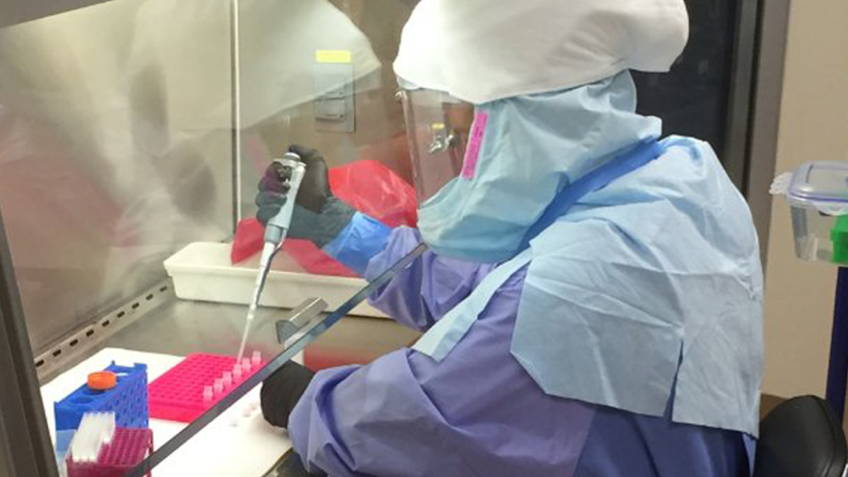 As scientists gained the knowledge and skills needed to isolate, manipulate, and grow harmful microorganisms, there was a parallel need to establish strong safety systems. These include risk assessment, containment strategies, specialized equipment, facility design, and standardized practices and procedures. Together, these measures protect laboratory personnel, the broader community, and the environment by preventing workplace infections and reducing the risk of accidental release.
Biosecurity
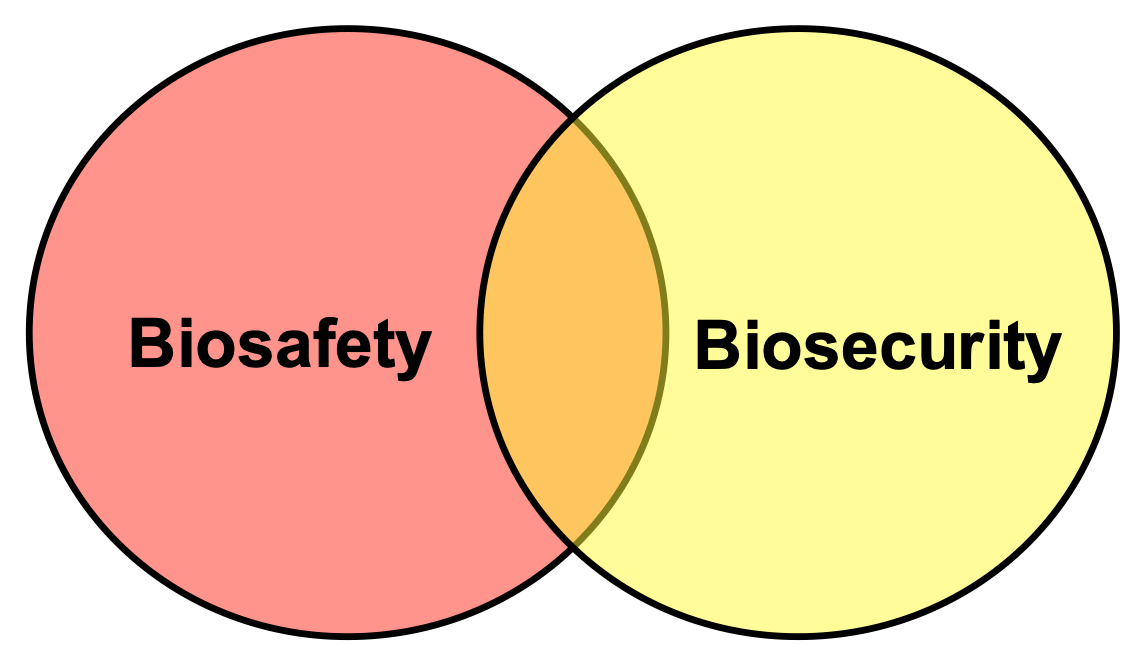 The concept of biological security (biosecurity) has developed alongside advances in Microbiology and related fields such as biotechnology, synthetic biology, and genetic engineering. As the ability to handle, store, and manipulate hazardous biological materials has grown, so has the need to protect them from intentional misuse. Biosecurity refers to the set of policies, practices, and technologies designed to prevent the loss, theft, misuse, or deliberate release of dangerous biological agents, including pathogens, toxins, and sensitive biological information.
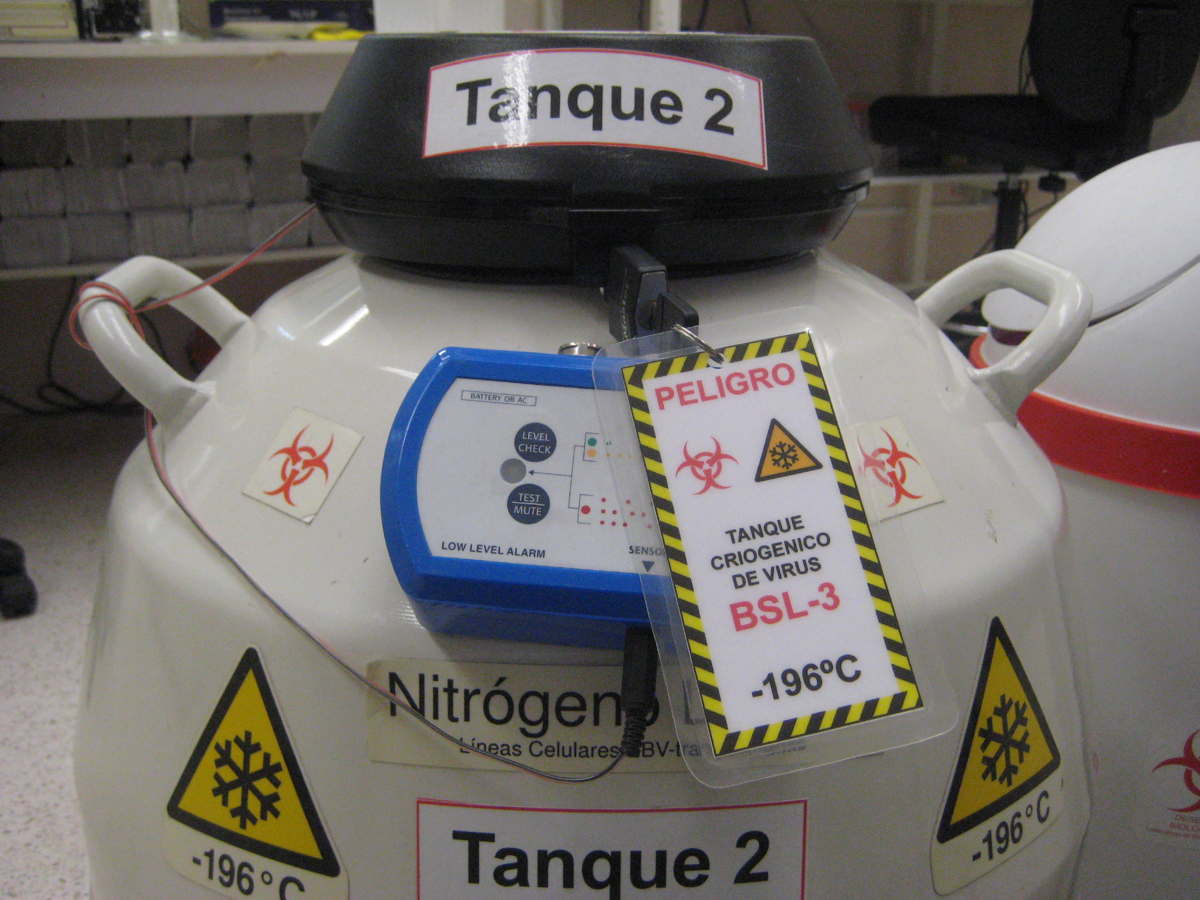 As scientific capabilities expanded, it became increasingly important to establish systems that ensure accountability and control over these materials. Biosecurity measures include access restrictions, personnel reliability programs, inventory tracking, secure storage, and regulatory oversight. Together, these approaches help safeguard laboratories and research institutions, protect public health, and ensure that scientific advancements are used responsibly and do not pose a threat to society or the environment.
New to the Biosafety/Biosecurity Profession?
Recommended Resources
The Member Resources Committee (MRC) has compiled this list of resources to benefit biosafety and biosecurity professionals seeking to expand their expertise.
Careers Flyer
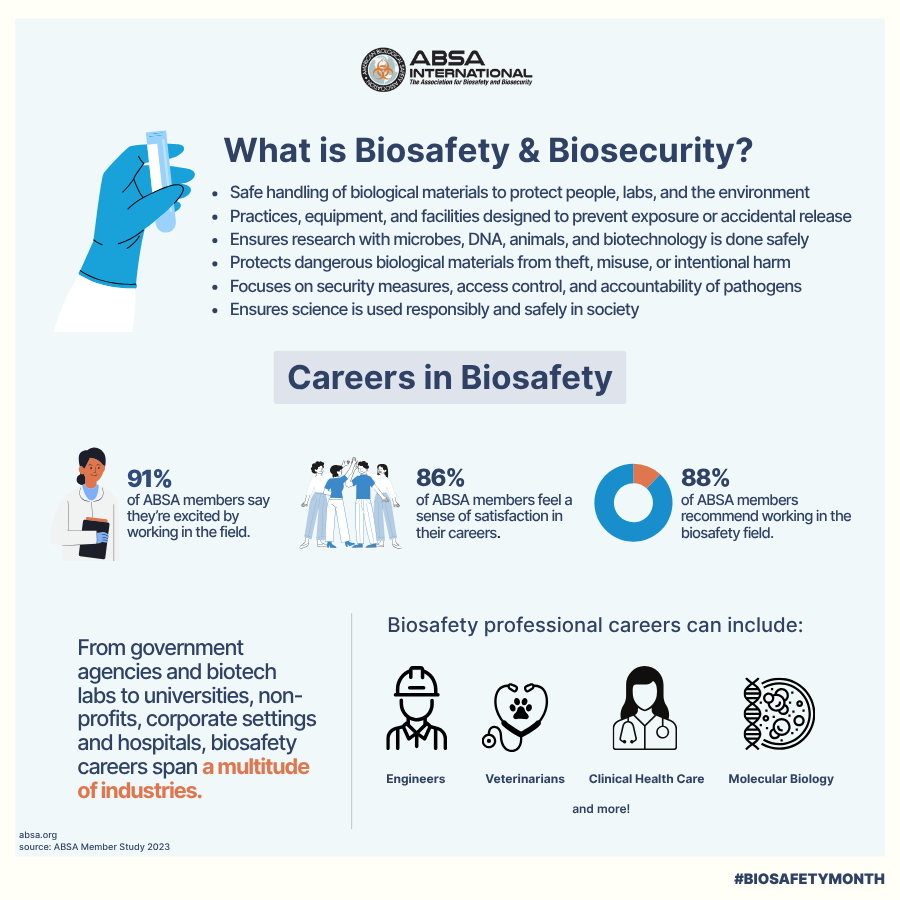
ABSA International member say:

From government agencies and biotech labs to universities, non-profits, corporate settings and hospitals, biosafety careers span a multitude of industries.
Biosafety professional careers can include:
Microbiologists, Industrial Hygienists, Biologists, Engineers, Molecular Biologists, Veterinarians, Occupational Health Professionals, Environmental Health Professionals, Clinical Health Care Professionals, Biosecurity Professionals
How do I Prepare for a Career in Biosafety/Biosecurity?
Discounted In-person Training and Webinars
Find a Coach or a Mentor
Journal: Applied Biosafety: Journal of ABSA International (APB)
Discounted In-person Training and Webinars
Find a Coach or a Mentor
Journal: Applied Biosafety: Journal of ABSA International (APB)
Discounted In-person Training and Webinars
Find a Coach or a Mentor
Journal: Applied Biosafety: Journal of ABSA International (APB)
image sources
- blog-20581_lores: CDC/ Jessie Blount - Image #20581
- ABSAlogo512: Owned by the author
You must be logged in to post a comment.