2026 ABSA Honor Award Nominations have closed July 31.
Biosafety Honor Awards Recipients
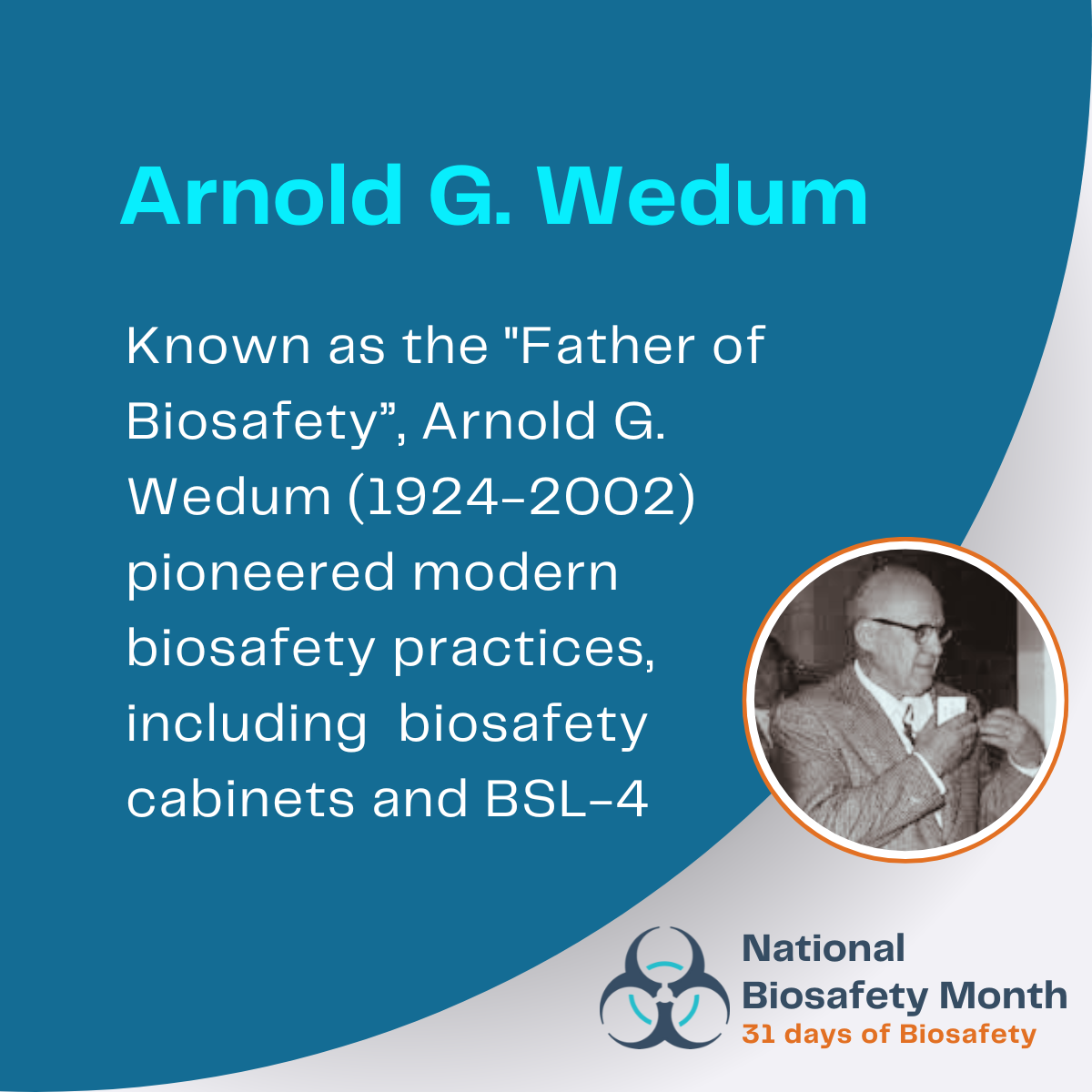
Arnold G. Wedum Distinguished Achievement Award
In recognition of outstanding work that provided greater knowledge in the field of biosafety, the Arnold G. Wedum Distinguished Achievement Award was established in 1976.
The Arnold G. Wedum Distinguished Achievement Award is given to a current ABSA member for outstanding contributions to biological safety accomplished through teaching, research, service, or leadership.
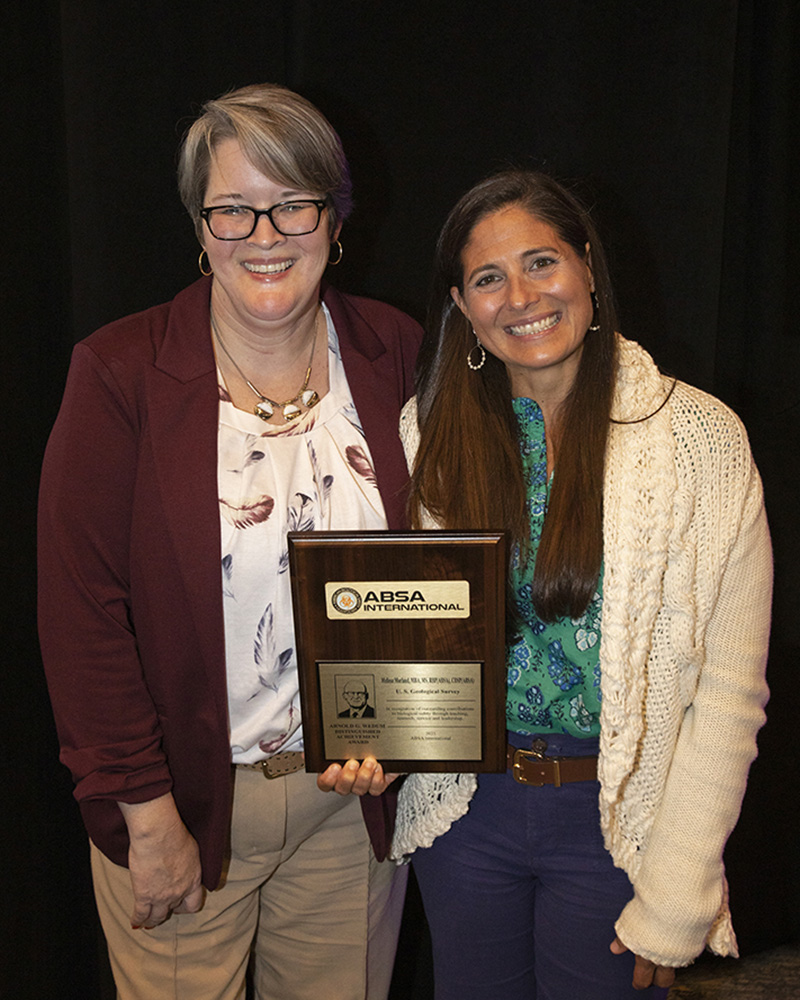 2025 recipient: Melissa Mørland
Melissa has served as the Biosafety Officer, Biosafety Director, and Operations and Facilities Director at the University of Maryland, Baltimore, where she has implemented advanced biosafety programs that are in full conformity with BSL-3, Select Agent, and other applicable regulations pertinent to the high-risk biohazard research conducted at her campus. Melissa has served as a mentor for professional in the United States and beyond. She served as ABSA President twice and has still involved in ABSA's credentialing programs. Melissa's work as a leading "twin" for the Sandia National Laboratories Twinning Program has been nothing short of sensational. She has mentored at least 10 foreign professionals who were new to Biosafety in countries located in the Middle East, North Africa and beyond. Every project Melissa was affiliated with has been a rousing success.
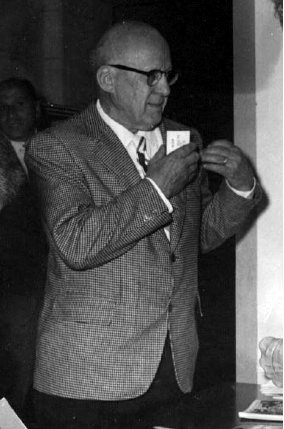
Arnold G. Wedum is revered as the person most responsible for creating the biosafety profession. He was a caring and wonderful mentor for many of the early leaders of ABSA. His traits of determination and persistence served biosafety well. He was one of the first to publish papers on how infectious aerosols were created in the lab and how to control those aerosols. He was a brilliant man whose knowledge of biological safety was sought by the leaders of the United State’s biological research community. The NIH Advisory Committee valued his council regarding safety practices appropriate to recombinant DNA research.
Dr. Wedum’s intellect, his deliberate and careful style in assessing hazards, and his vast experience remain instructive to all of us today. He brought to light the fundamental concepts of our profession. His lifelong efforts promoted occupational health and safety in infectious disease research and gave our profession credibility and a valid scientific relevance.
Everett Hanel, Jr. Presidential Award
The Everett Hanel, Jr. Presidential Award is given to a current ABSA member for outstanding contributions to ABSA International by promoting the field of biological safety and fostering, by example, the high professional standards of the Association's membership.
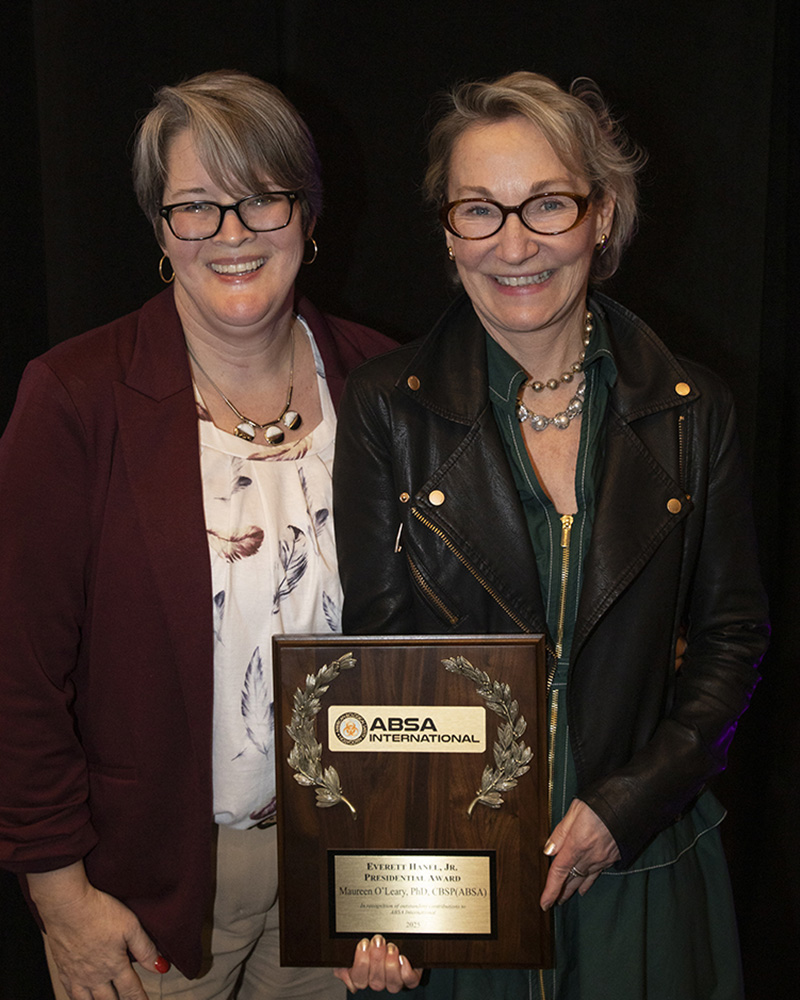 2025 Recipient: Maureen O'Leary
Maureen O'Leary was nominated for the Everett Hanel Jr Presidential Award because of her leadership, service and contributions to the biosafety field. Maureen is currently the Associate Vice Provost for Research and the Executive Director of Environmental Health and Radiation Safety at the University of Pennsylvania. Dr. O'Leary earned her PhD in genetics and MBA from the University of Massachusetts-Amherst. She was the ABSA Secretary 2014-2017, the ABSA President in 2017 and President of the New England Biological Association (NEBSA) 2010-2014. She has also served on several boards and panels, most notably: the International Federation of Biosafety Associations (IFBA) (2014-2017), the John's Hopkins Bloomberg School of Public Health India-United States Biosecurity Delegation (2016-2020), and the Massachusetts Society for Medical Research (2009-2016). Additional international biosafety contributions included working in Kazakhstan on a DOD project to build a Central Reference Laboratory that included ABSL-3/BSL-3 facilities, and as a Twinning Mentor with the Sandia/State Department Middle East/North Africa program. In addition, she has over 40 presentations and published articles. She has held the CBSP credential since 2006.
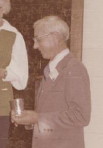
Everett Hanel, Jr. was a member of Dr. Wedum’s safety group at Fort Detrick from 1943-1972. Following his tenure there, he became the Director of the Health & Safety group at the National Cancer Institute in Frederick, MD. His efforts were central in the development and perpetuation of the Biological Safety Conference and the organization we know as ABSA. In 1983 Everett was chosen to be the first President of ABSA International. In recognition of his significant contribution to this organization throughout his lifetime career in biosafety, the Everett Hanel, Jr. Presidential Award was established in 1993.
John H. Richardson Special Recognition Award
The John H. Richardson Special Recognition Award was developed for, and shall be given to an individual, to recognize them for a specific contribution that has enhanced ABSA International and/or the profession of biosafety. The recipient must be a member of ABSA International.
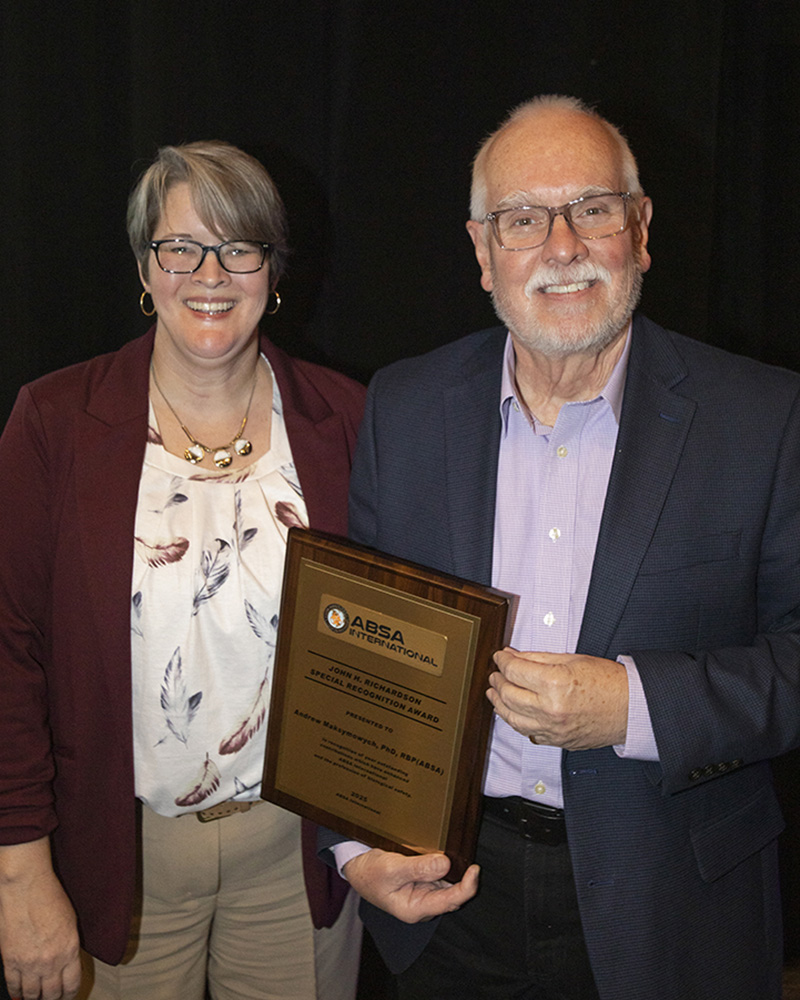 2025 Recipient: Andrew Maksymowych
Andrew B. Maksymowych, MS, PhD, RBP(ABSA) is the Institutional Biosafety Officer, IBC Administrator, and Associate Director for Life Sciences Safety and Compliance Programs for the University of Pennsylvania in Philadelphia, PA. He has been at the University of Pennsylvania since 2006. Andrew has authored more than 35 publications and has obtained one patent based upon his work. While at Jefferson Medical College in Philadelphia, Andrew sat on Jefferson's Laboratory Safety and Institutional Biosafety Committees, was a trainer in "Train-the-Trainer" program and was a radiation safety / laboratory safety officer for the Division. He also served on two IBC sub- committees implementing policy for Select Agents research at Jefferson. Once at Penn, Andrew continued to contribute to biological safety as the Institutional Biosafety Officer, IBC Administrator, and Associate Director for Life Sciences Safety and Compliance Programs. He holds appointments on many institutional committees and has worked closely with the FDA and USDA to ensure compliance with the NIH Guidelines in research involving client owned animals.
Andrew is a deep-seated biosafety leader at the University of Pennsylvania. He mentors junior members of his team, several of whom have gone on to lead their own biosafety departments at academic institutions and pharmaceutical companies. Outside of Penn, Andrew is a senior member of the Biosafety Administrators Association (BSAA). The association provides support for individuals ensuring institutions adhere to standards governing the use of biohazards in research. Recently, Andrew has provided numerous outreach events on the NIH Implementation of the U.S. Government Policy for Oversight of DURC and PEPP. He was quickly recognized as an expert on this policy and was a valuable resource to many safety professionals across the country. He stood as a pillar of information during an uncertain time for many professionals.
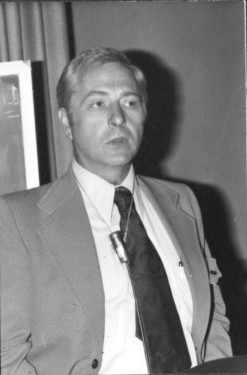
John H. Richardson was an early mentor and teacher of biological safety. He has been a prolific author of many biosafety articles as well a contributing author to many of our recognized guides to biosafety. Some of his contributory works are: coauthoring the 2nd edition of the Biosafety in Microbiological and Biomedical Laboratories (BMBL); contributing author to: Biosafety in the Laboratory: Prudent Practices for the Handling and Disposal of Infectious Materials (1989); contributing author to: Nonhuman Primates in Biomedical Research: Biology and Management (1995); as well as contributing author: Laboratory Safety: Principles and Practices, 2nd edition.
Diane Fleming Leadership Award
The Diane Fleming Award is given to a current ASBA member who exemplifies leadership within ABSA International and/or the biosafety and biosecurity profession. Leadership through mentoring new and established Biosafety Professionals, service, collaboration with other professional organizations, publication, or teaching.
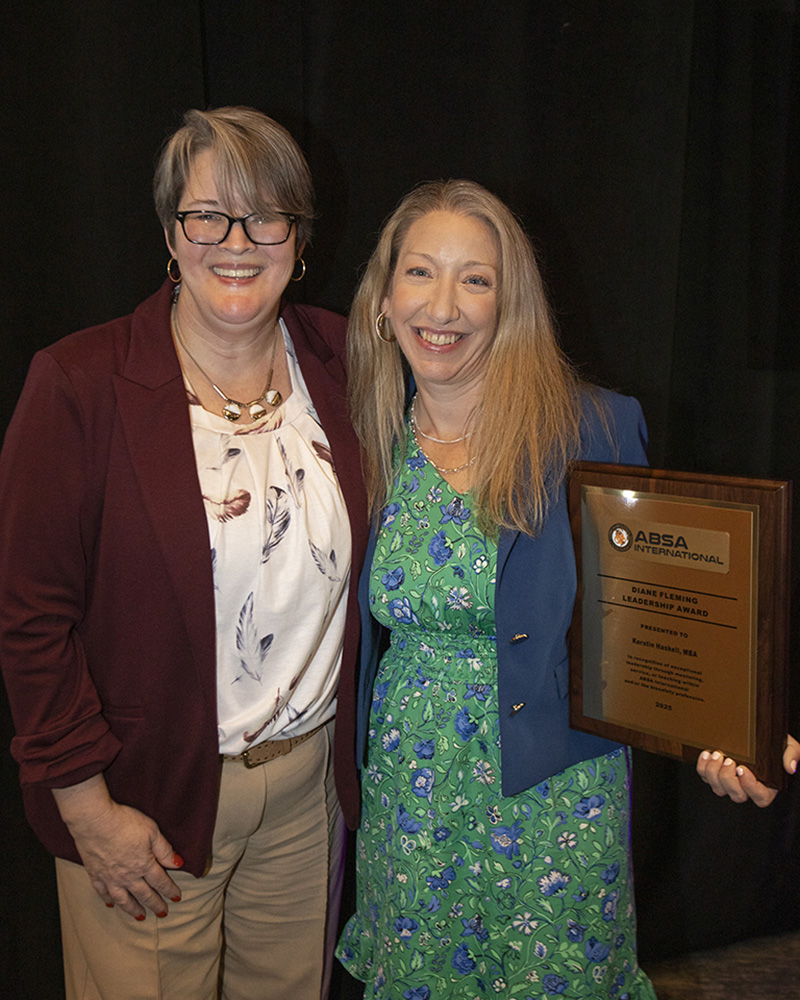 2025 Recipient: Kerstin Haskell
Kerstin Haskell exemplifies the spirit of the Diane Fleming Award through visionary leadership, cross-sector collaboration, and a commitment to strengthening the biosafety profession. As President of the Chesapeake Area Biological Safety Association (2024 – 2025), Kerstin reinvigorated the organization, inspiring membership, motivating Council, and establishing a more sustainable, efficient operational model .Kerstin's collaborative achievements extend beyond ChABSA. She forged new partnerships with organizations previously unengaged with biosafety, demonstrating her unique ability to translate biosafety's value to broader audiences. Kerstin led an effort to elevate public recognition of biosafety's importance. She secured a gubernatorial proclamation from Maryland Governor Wes Moore, declaring June 4, 2025, as Biosafety Day in the state. To my knowledge, this is the first time such a declaration from a state governor has happened. This achievement required persistent outreach and clear communication with state-level partners, including the Maryland Department of Commerce, the Maryland Tech Council, and USG. It succeeded because Kerstin has a rare ability to explain biosafety's impact in ways that resonate with non-scientists and decision-makers alike. Her collaborative nature fosters not only productive working relationships but genuine friendships that form organically through mutual respect and shared commitment. Kerstin also brings a welcome element of fun to meetings, creating an environment where members feel connected, encouraged, and valued. Kerstin embodies the values of ABSA International and the Diane Fleming Award. Her achievements are a testament to what impactful, servant leadership can accomplish for the biosafety and biosecurity profession.
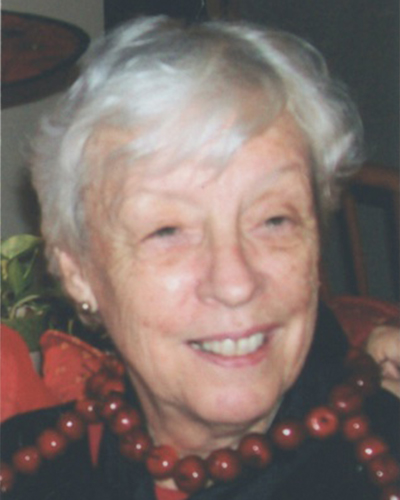
Annual Recognition Awards Recipients
The Hashimoto Service Award
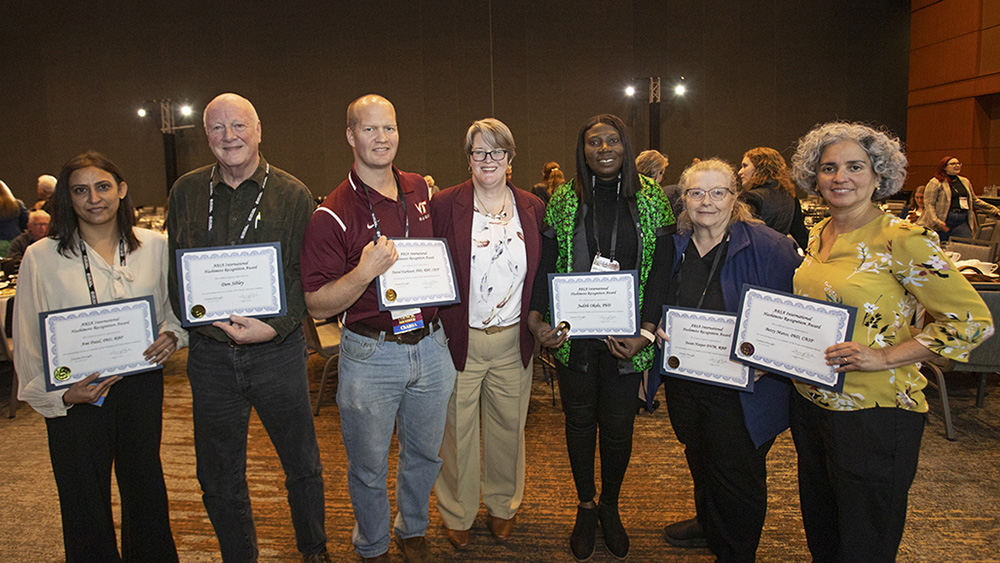 The Hashimoto Recognition Award recognizes outstanding service to an ABSA committee or Task Force.
2025 Recipients:
Judith Okolo—International Engagement Committee
Susan Harper—Public Health Outreach Shared Interest Group
Don Sibley—Member Resources Committee
Randy Albrecht—Regulatory, Technical, Legislative Review Committee
Betsy Matos—Exam Development Board
Ami Patel—Emerging Infectious Disease Committee
David Harbourt—Exam Development Board
Anthony Wang—Exam Development Board
Cara Leitch—Exam Development Board
Kenneth Shenge—Emerging Infectious Disease Committee
Elizabeth Gilman Duane—Emerging Infectious Disease Committee
Mary Turlington Powell—Biosecurity Program Committee

The award was created in honor of Robert Hashimoto, MS, RBP CBSP, SM (NRCM). Bob had a long history of service and leadership within ABSA International as well as during his 26 year career as a Biosafety Officer. He was a mentor to countless biosafety professionals and a friend to even more.
Eagleson Lecture Series Award
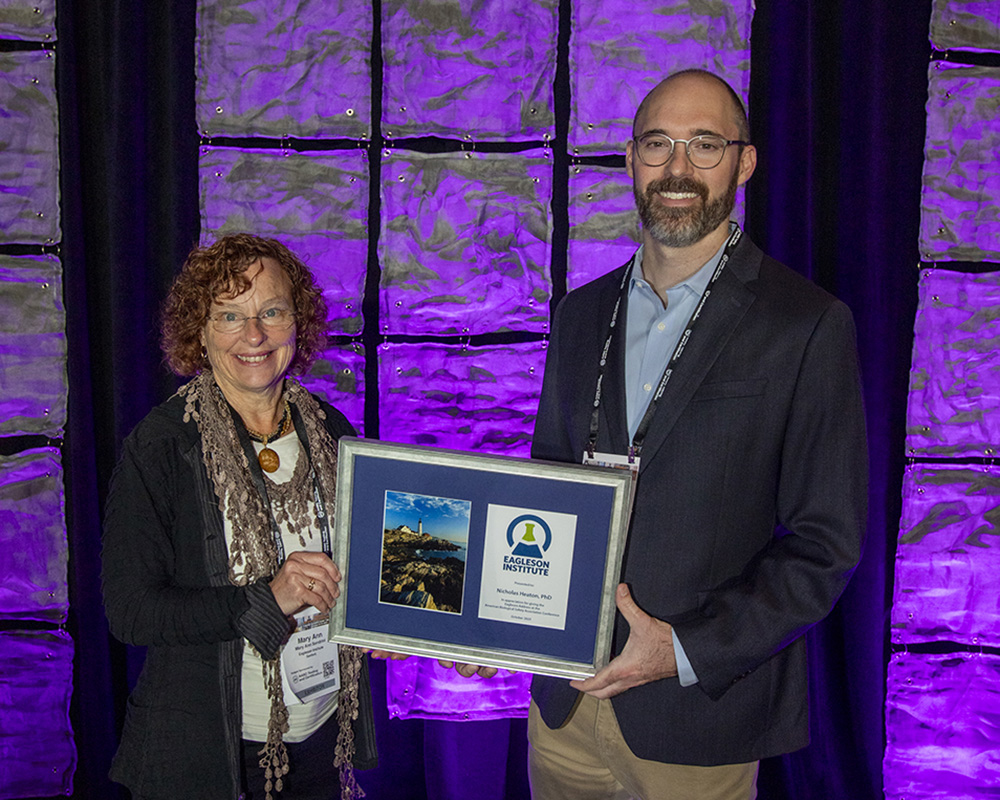
2025 Recipient: Nicholas Heaton, PhD
Duke University, Durham, NC
Special Challenges in the Development of Interventions Against Highly Pathogenic Avian Influenza Viruses
The Eagleson Lecture is in memory of John M. Eagleson, Jr. The keynote speaker for the Biological Safety Conference shall be the speaker that is sponsored by the Eagleson Institute. The Eagleson Lecture Series Award recipient is selected in recognition of accomplishments that contribute to the awareness of biological hazards. The topic of the lecture shall be consistent with the mission of the Eagleson Institute, which is to promote the principles and practices of laboratory safety. The subject of the lecture shall be timely with an emphasis on emerging issues rather than the presentation of historical information. The Scientific Program Committee (SPC) shall recommend nominees to the Eagleson Institute for selection.
E. R. Griffin Lecture Series Award
The E. R. Griffin Lecture Series Award recipient is selected in recognition of accomplishments that contribute to the awareness of biological and occupational safety. The topic of the lecture shall be consistent with the mission of the Foundation, which is to promote the safe research practices and help fund further research in the areas of zoonotic diseases.
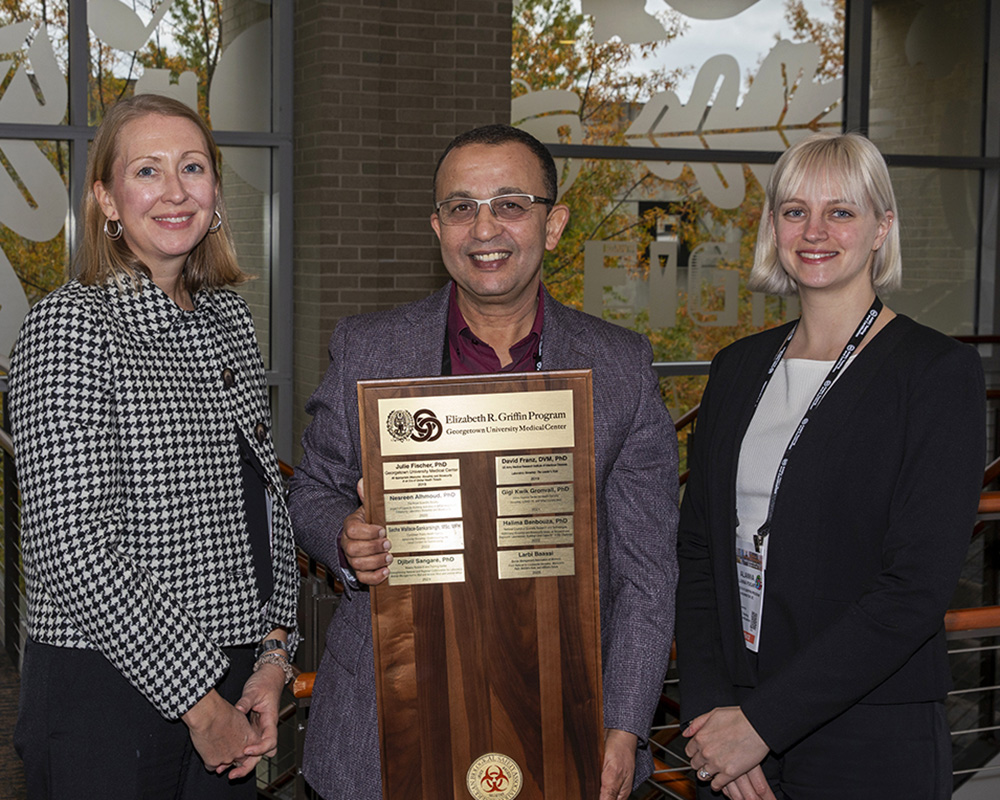
2025 Recipient: Larbi Baassi, PhD, IFBA-CP, AfRSME Africa-CDC, Biorisk Management Association of Morocco (BMAM), Rabat, Morocco
From National to Continental Biosafety: Morocco’s Path, BMAM’s Role, and AfBSA’s Future

In 2018, the Elizabeth R. Griffin Research Foundation selected Georgetown University to advance its research and education missions, launching a new era as the Elizabeth R. Griffin Program (ERG). ERG at Georgetown builds on the 20-year legacy of the Foundation’s work and the Georgetown University Medical Center’s mission of excellence in research, education, and the improvement of human health and well-being.

The ERG Program works to enhance and sustain leadership in the expanding field of global health science and security. Through collaborative research, training, and education, ERG at Georgetown promotes evidence-based biosafety and biosecurity practices to protect the health and safety of researchers as well as the workers on the front lines of disease detection around the world.
Robert I. Gross Student Award
This is awarded to a student in recognition of academic achievement in biological safety. The award provides a grant to a student to register, attend, and present a technical paper or poster at the annual conference. The student must be in a degree granting program at the baccalaureate or graduate level in an academic discipline or field that is relevant to biosafety. Membership in ABSA is not required. The Scientific Program Committee selects the grant recipient from among the student applicants who submit abstracts.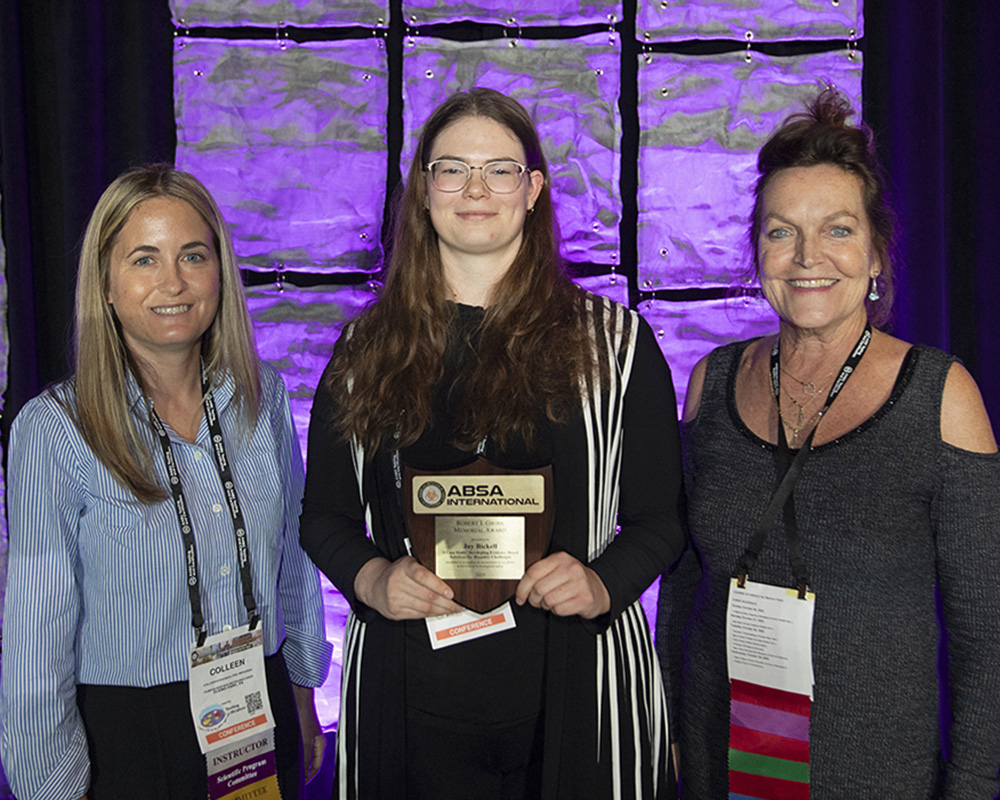
2025 Recipient: Jay Bickell, MRIGlobal, Gaithersburg, MD
A Case Study: Developing Evidence-Based Solutions for Biosafety Challenges
The Robert I. Gross Memorial Fund was established in 1991 with the receipt of a gift from Marsha Gross in memory of Robert I. Gross.
Richard C. Knudsen Publication Award
The Richard C. Knudsen Publication Award shall be given, when merited, to the author(s) of an article that reports a significant contribution in scientific investigation and/or health and safety, whether the authors are members or not of the Association. The article shall have been published in Applied Biosafety: Journal of ABSA International (APB) the year preceding the award. The nomination for this award is made by a committee formed by two members of the Publications Committee as well as two members of the Laurels and Legacy Committee.
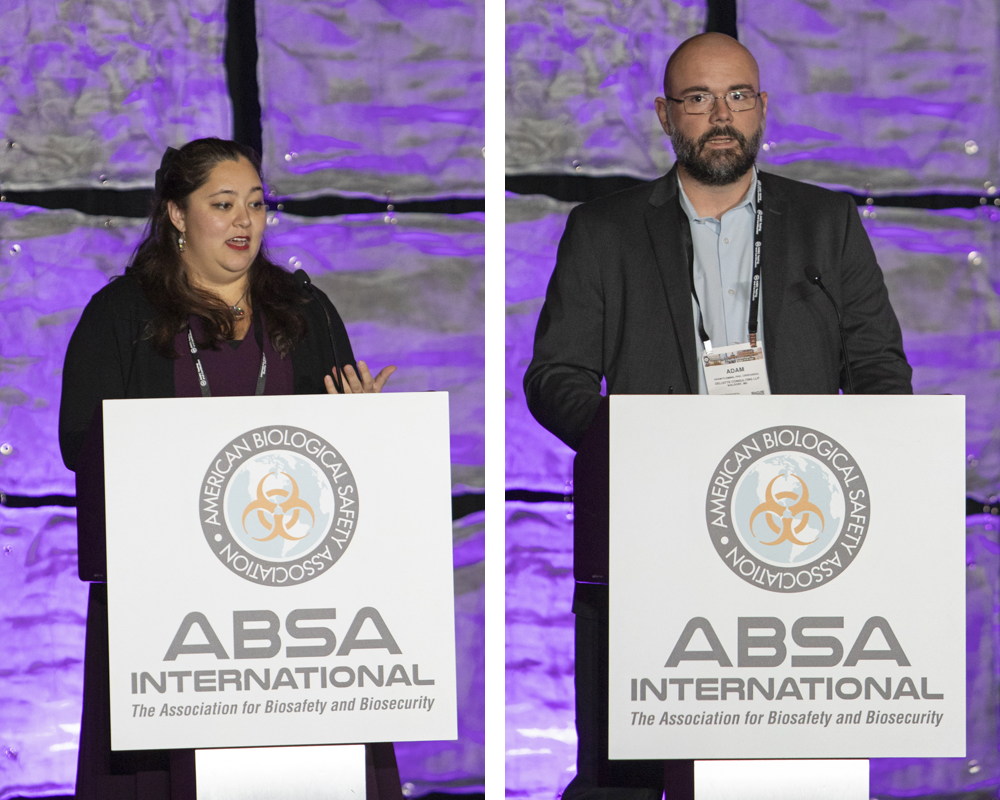 2025: Kelly Kim, MS, Colorado State University, Fort Collins, CO and Adam Fleming, PhD, CBSP(ABSA), Deloitte Consulting, LLP, Waldorf, MD
Rate of Errors During Routine Biological Manipulation
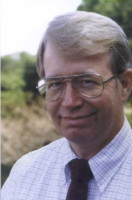
Richard C. Knudsen did his post-doctoral studies through the National Institute of Health and the National Research Council. He became an immunologist at the Naval Medical Research facility in Bethesda, Md. In 1976, he studied swine flu virus for the USDA. Ten years later, he moved to the Plum Island Animal Disease Center and later became chief of laboratory safety at the Centers for Disease Control. Dr. Knudsen was a prolific writer and had articles published in the Journal of Bacteriology; Journal of Virological Methods; Journal of Experimental Medicine; Journal of General Virology; Journal of Immunology; Journal of Immunological Methods; and Applied Microbiology to name but a few. He assisted with the preparation of the Interim Biosafety Guidelines for Hantavirus Pulmonary Syndrome. He also finalized a plan that reflected the views of the U.S. Department of Transportation and CDC. This document proposed that U.S. diagnostic specimen shipments should be regulated and that diagnostic specimen shipments using air transportation should be required to meet the standards of IATA Packing Instruction 650.
Arnold G. Wedum Memorial Lecture Award
Established in 1976 to honor the memory of the man who is considered the "Father of Biosafety," this award is given to an outstanding scientist or biological safety professional whose work has contributed to a better understanding of the occupational or environmental risks associated with infectious agents or biologically-derived materials, or whose contribution has led to the development of improved control methods in minimizing those risks.
The recipient is not required to be a member of ABSA. Candidates for the award will be chosen by the Scientific Program Committee and recommended to the Council for approval.
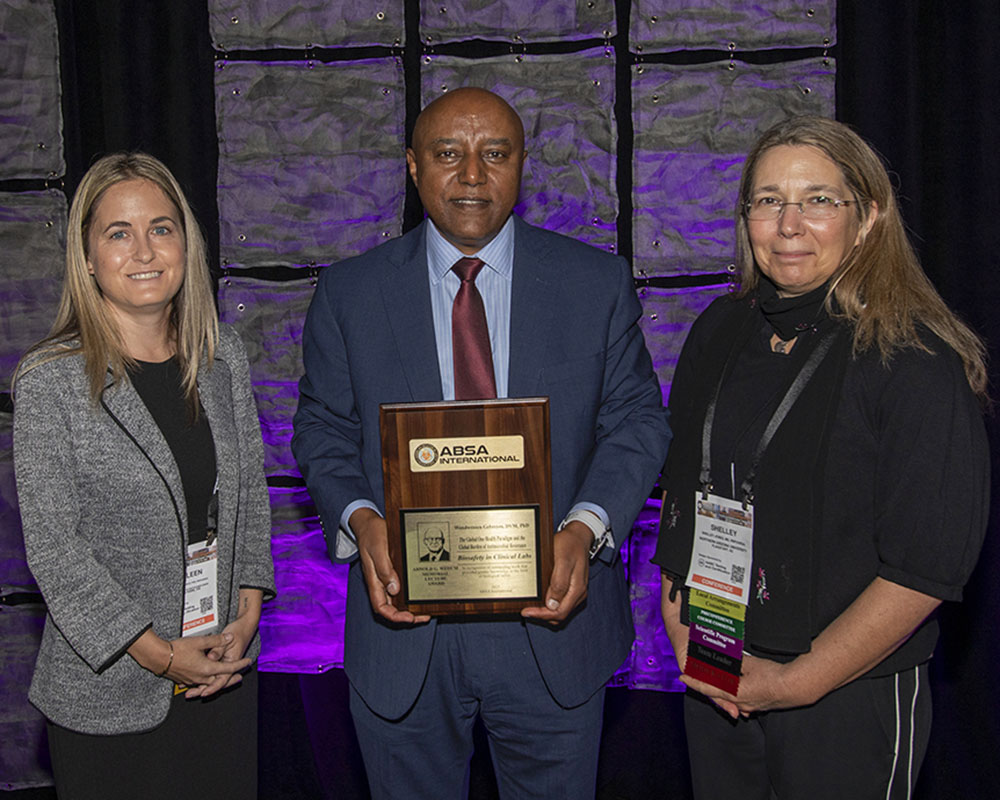 2025 Recipient: Wondwossen Gebreyes, DVM, PhD, DACVPM, The Ohio State University, Columbus, OH
The Global One Health Paradigm and the Global Burden of Antimicrobial Resistance
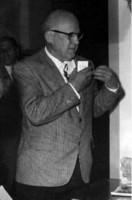
Arnold G. Wedum is revered as the person most responsible for creating the biosafety profession. He was a caring and wonderful mentor for many of the early leaders of ABSA. His traits of determination and persistence served biosafety well. He was one of the first to publish papers on how infectious aerosols were created in the lab and how to control those aerosols. He was a brilliant man whose knowledge of biological safety was sought by the leaders of the United State’s biological research community. The NIH Advisory Committee valued his council regarding safety practices appropriate to recombinant DNA research.
Dr. Wedum’s intellect, his deliberate and careful style in assessing hazards, and his vast experience remain instructive to all of us today. He brought to light the fundamental concepts of our profession. His lifelong efforts promoted occupational health and safety in infectious disease research and gave our profession credibility and a valid scientific relevance.
Conference Poster Awards
Scientific Poster Award
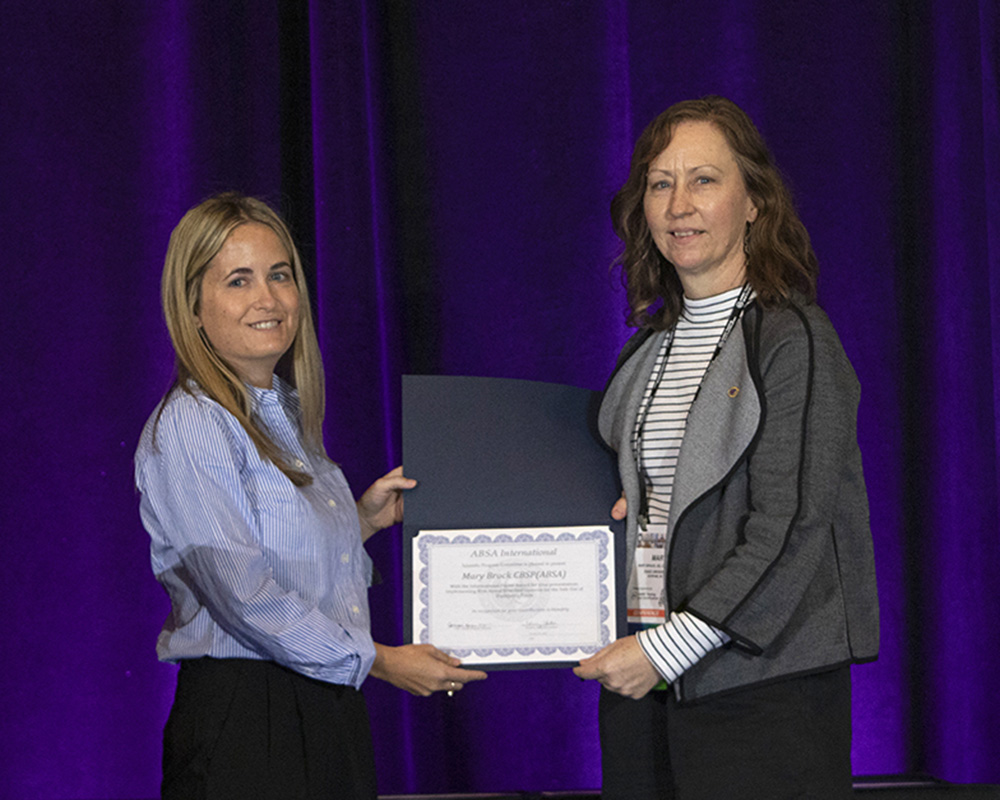
2025 Recipient: Mary Brock, BS, Duke University, Durham, NC
Implementing Risk-Based Stratified Controls for the Safe Use of Diphtheria Toxin
Informational Poster Award
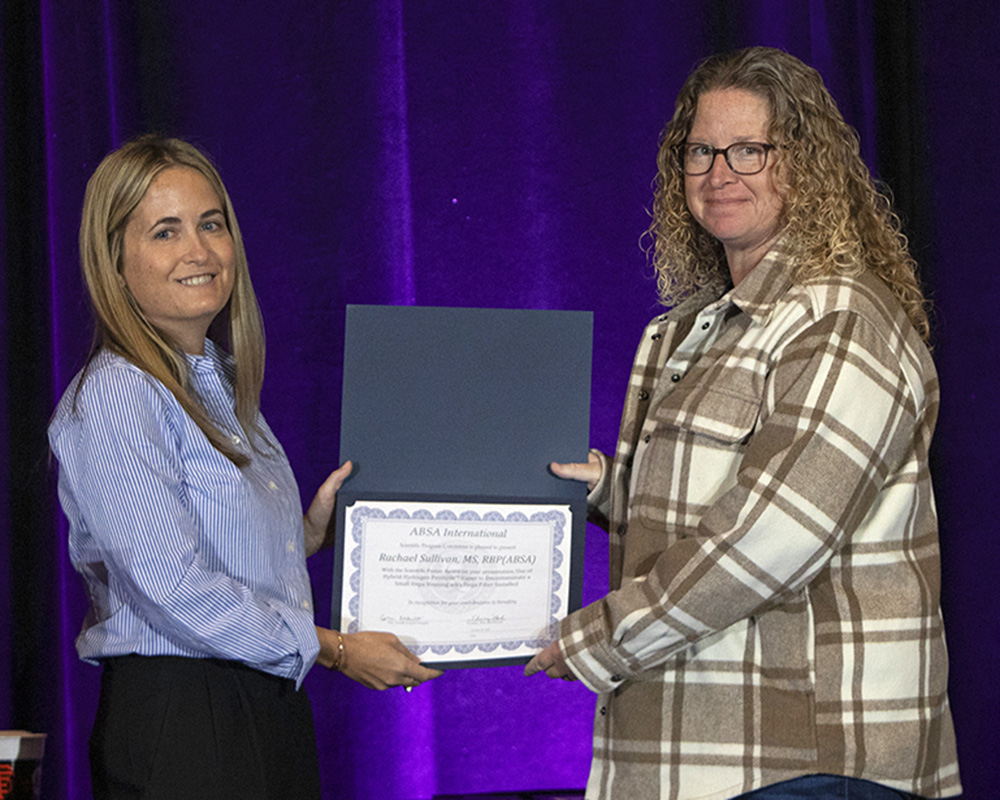
2025 Recipient: Rachel Sullivan, MS, RBP(ABSA), Kansas State University, Manhattan, KS
Use of Hybrid Hydrogen Peroxide Vapor to Decontaminate a Small Hepa Housing with Hepa Filter Installed
Biosafety and Biosecurity Promotional Awards
The Biosafety and Biosecurity Promotional Awards have been created to recognize ABSA International members in their efforts in promoting biosafety through marketing initiatives. These awards will be presented during ABSA’s Annual Biosafety and Biosecurity Conference.
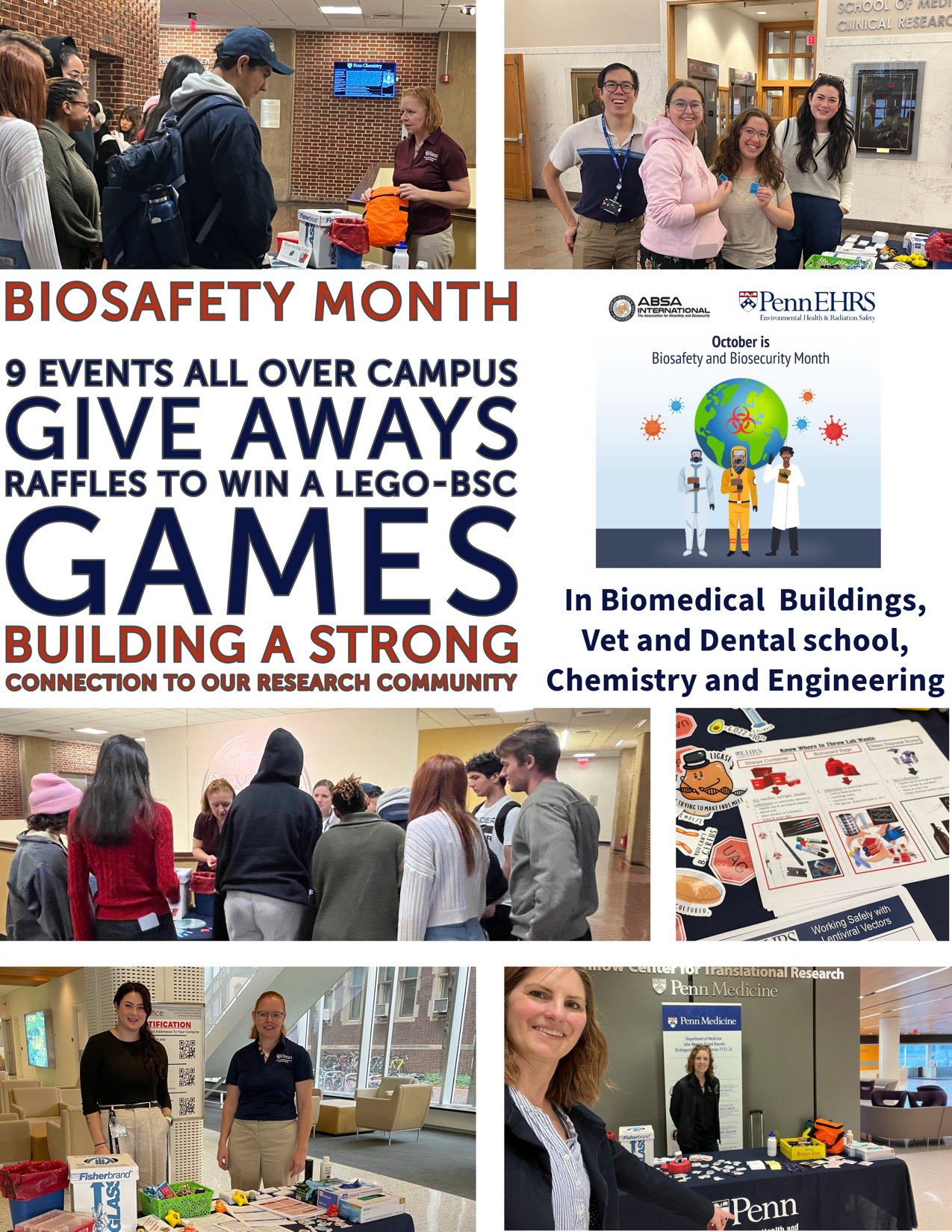
Biosafety Month Achievement Award
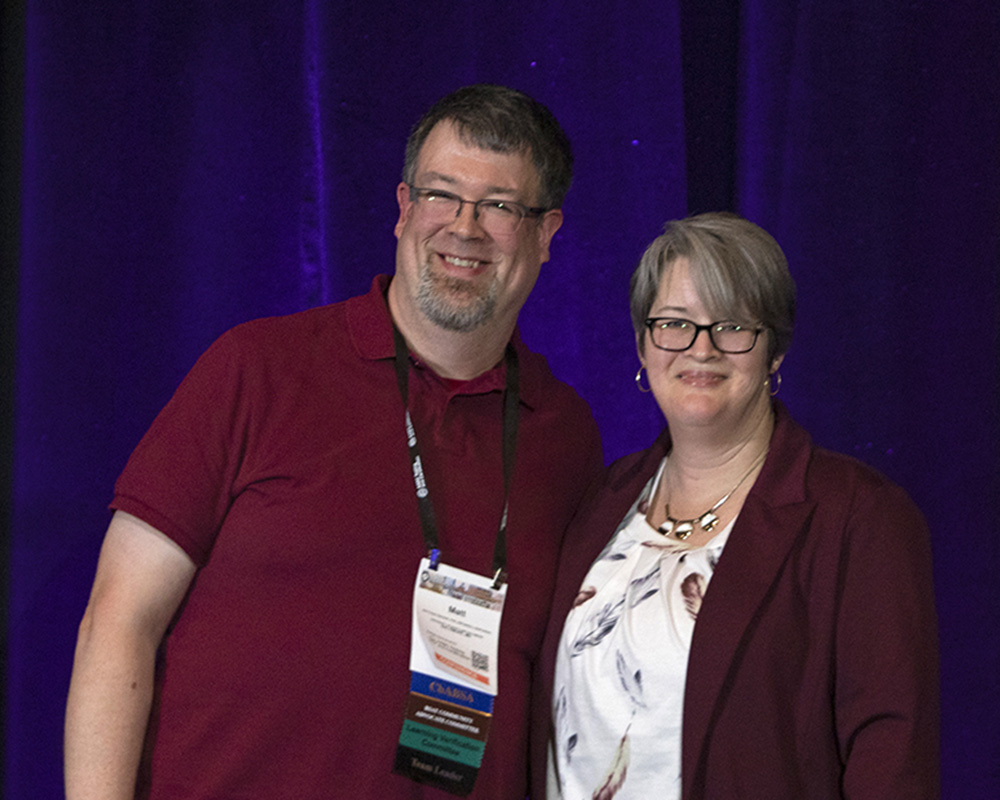 This award recognizes distinction in an institution's efforts to promote Biosafety and Biosecurity Month.
Comprehensive promotion of 2025 Biosafety and Biosecurity Month generally includes multiple actions and pieces of media used over a period of time. Deployment strategy, integration of quality media and mediums, message clarity, creativity, originality, and measures of success and outcomes (impact) will be considered as important attributes in determining the excellence of an institution's efforts to promote Biosafety and Biosecurity Month.
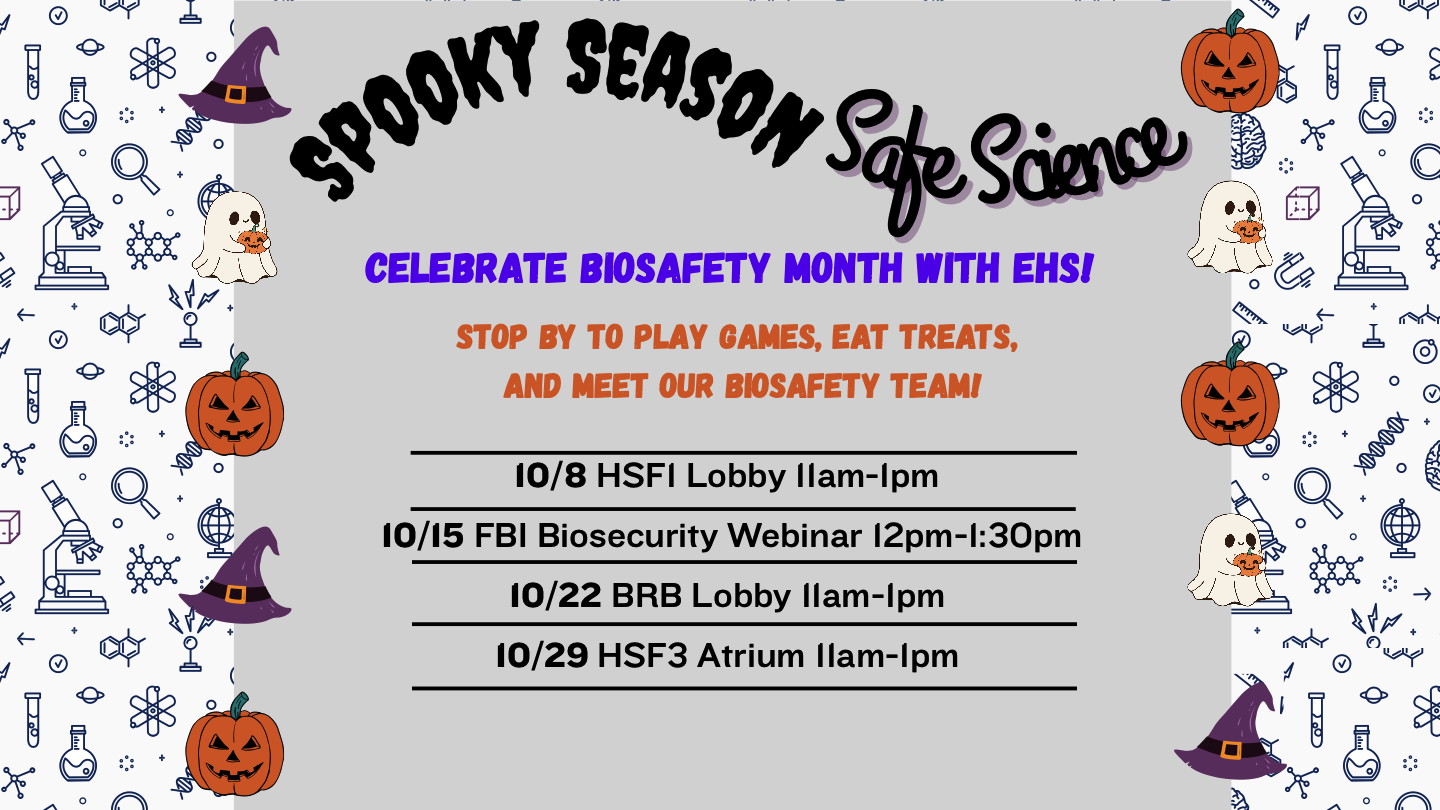
2025 Recipient: Matthew Fischer, PhD, RBP(ABSA), CBSP(ABSA), University of Maryland Baltimore, Baltimore, MD
Spooky Season, Safe Science
Past Promotional Award Winners
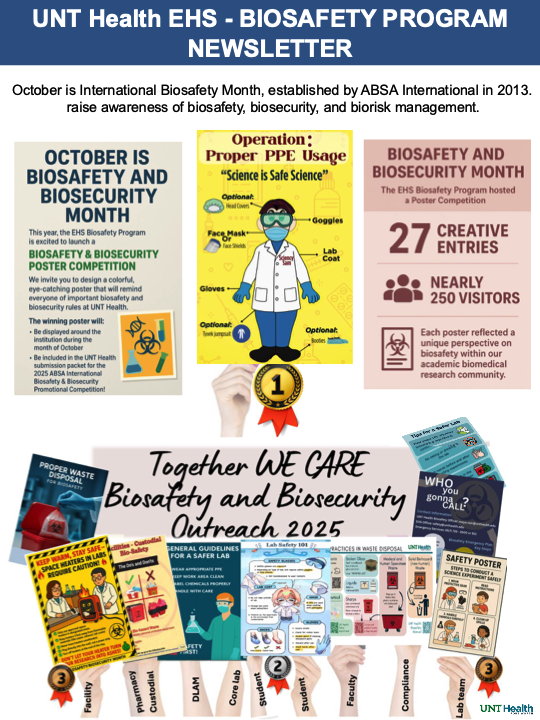
2025
Biosafety Month Achievement Award
This award recognizes distinction in an institution’s efforts to promote Biosafety Month.
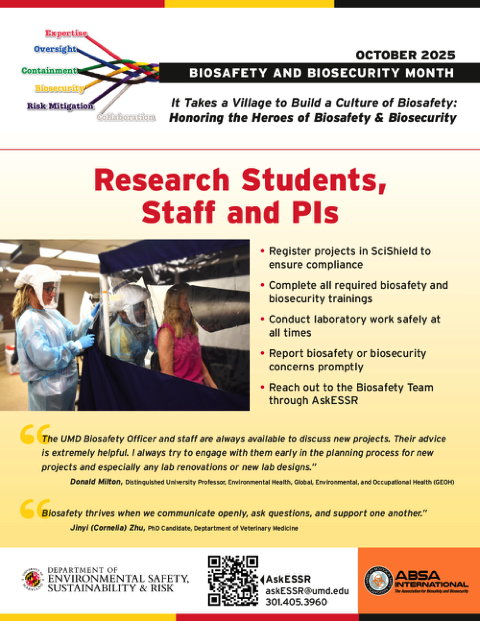
Biosafety Month Outreach Award
This award recognizes distinction in the creation of innovative materials for biosafety marketing and outreach.
Past Award Winners
2024
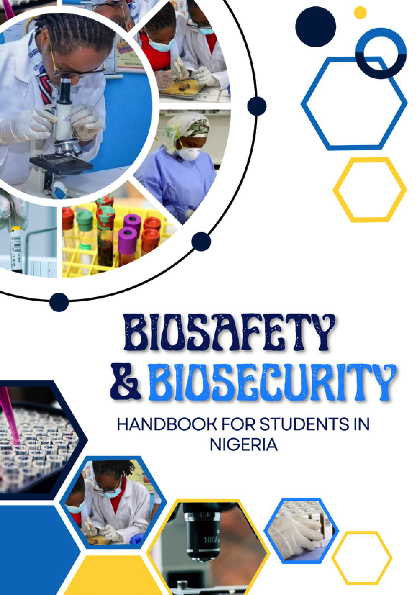
2023
Biosafety and Biosecurity Promotional Item Award
First Prize:
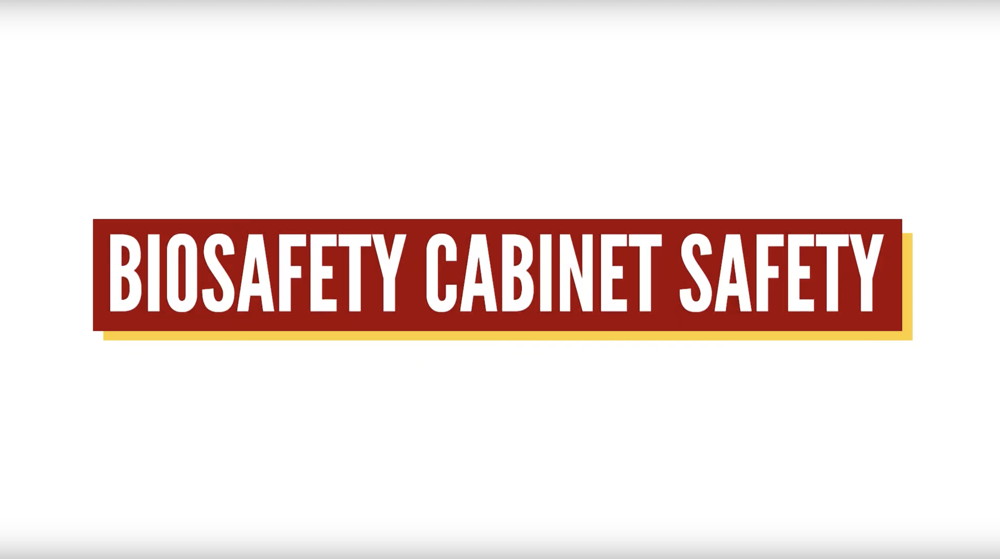
University of Southern California BSC Video (Youtube)
Submitted by the USC Biosafety Team
Brent Pantell, Alex Alviar, Jerome Williams, Erick Guandique, Prashan De Zoysa, Filiberto Palacios, Deona Willes, Dick Sun
Second Prize:
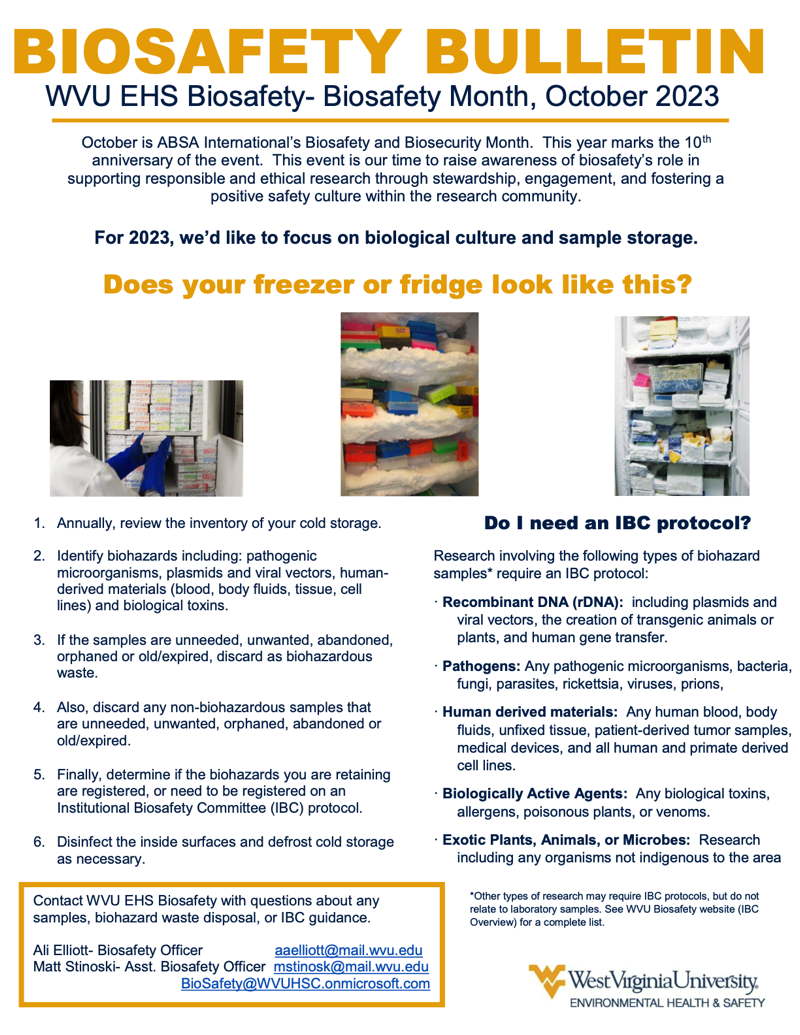
Biosafety Bulletin- Biosafety Month 2023(pdf)
Submitted by Matt Stinoski, West Virginia University with contributions by Ali Elliott
Honorable Mention:
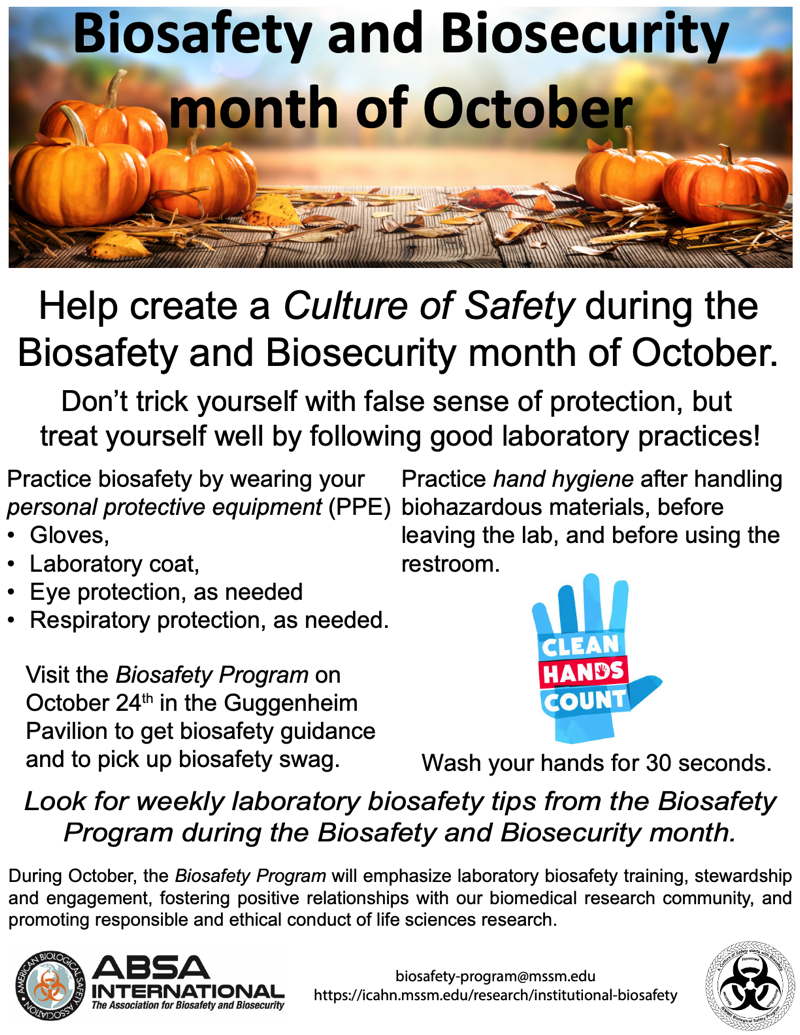
October Biosafety and Biosecurity Month Flyer(pdf)
Submitted by: Randy Albrecht, Icahn School of Medicine at Mount Sinai with contributions by Sarah Rosa and Lokendrasingh Chauhan
2022
Biosafety and Biosecurity Promotional Item Award
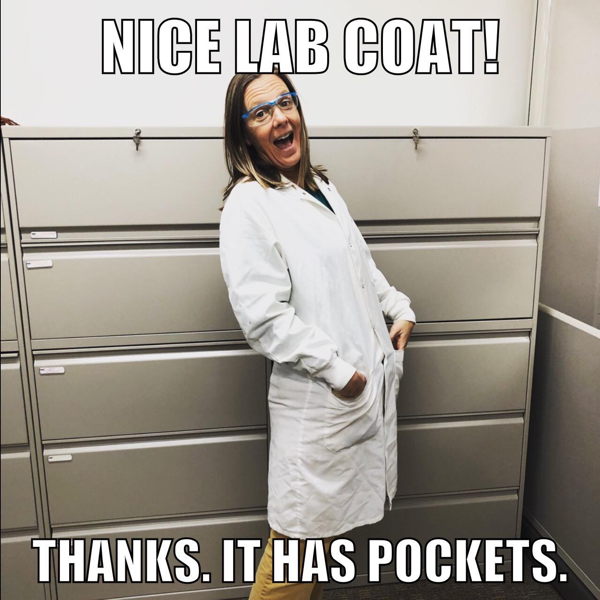
Lab coats have pockets
Kerri Kwist, Clemson University
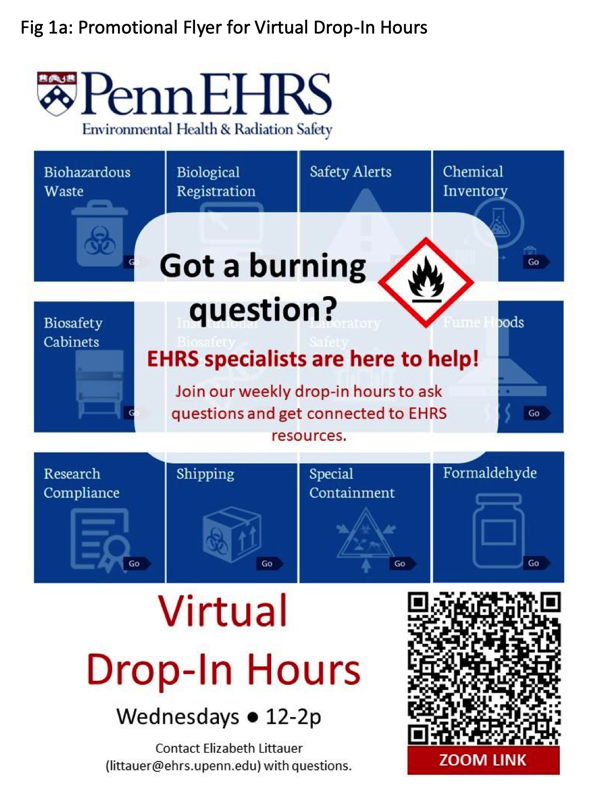
Elizabeth Littauer Bassett
University of Pennsylvania
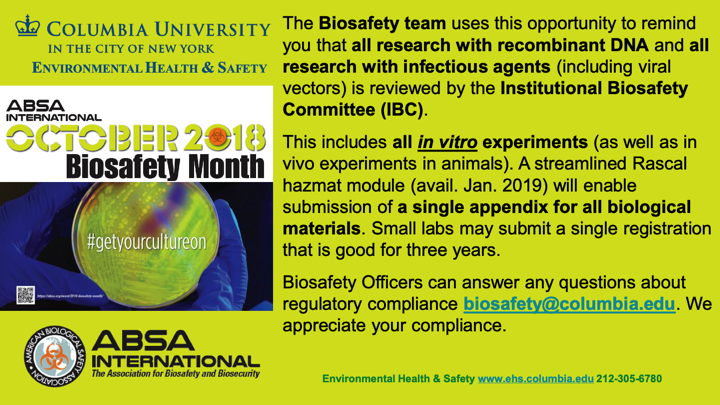
Digital signage for building lobby screen
Christopher Aston, Columbia University
2019
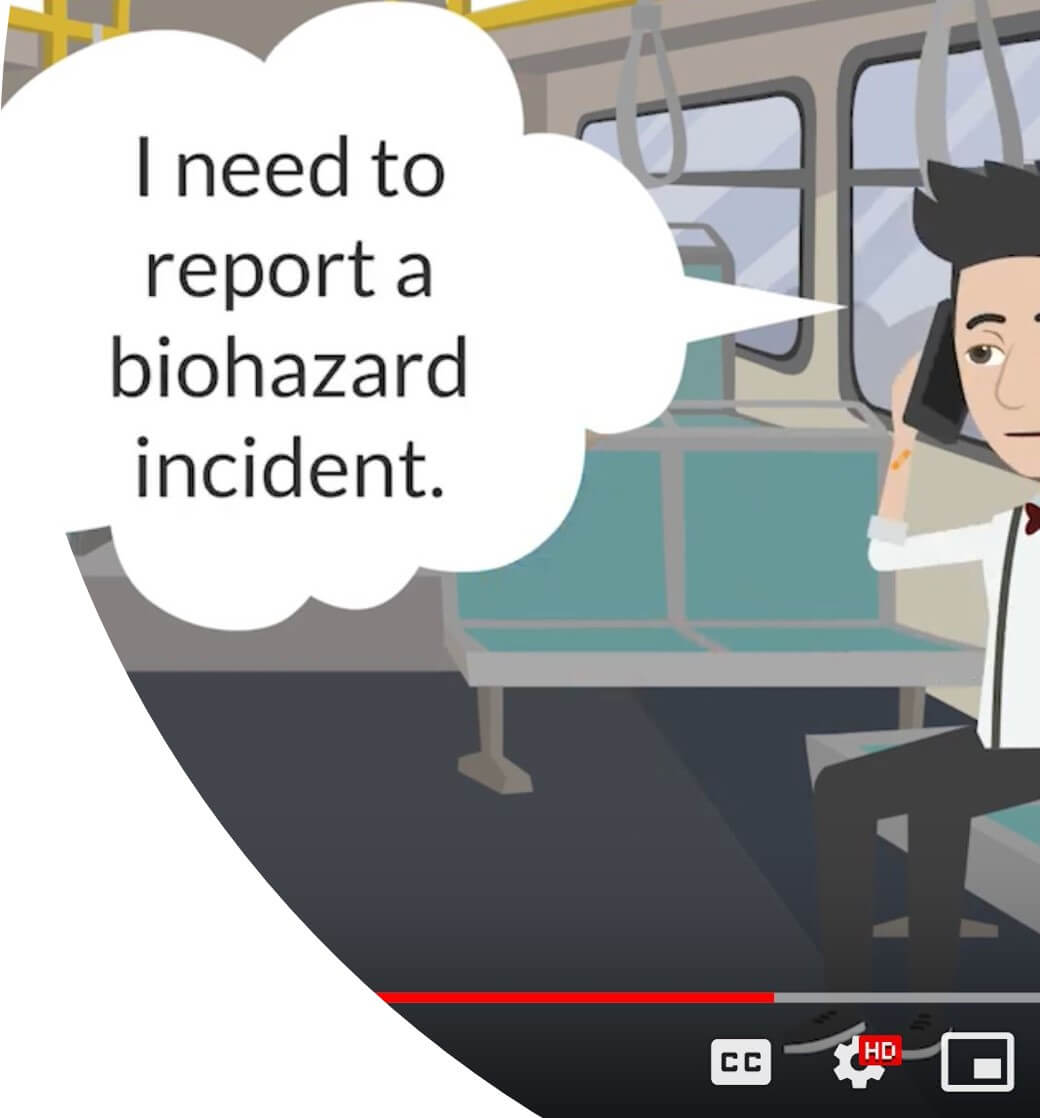
Safety Minute-Research Related Biohazard Exposure ABCs
Anne Viroreli, Karin Wasler, Kendall Lafranchi, University of California—Los Angeles
CSU Biosafety Stewardship Initiative
Christine Johnson & Emma Mannino, Colorado State University
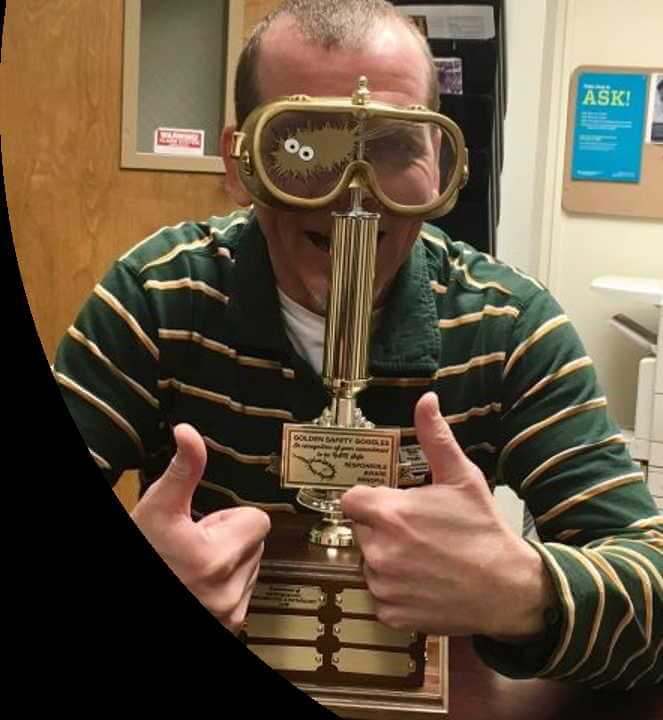
2018
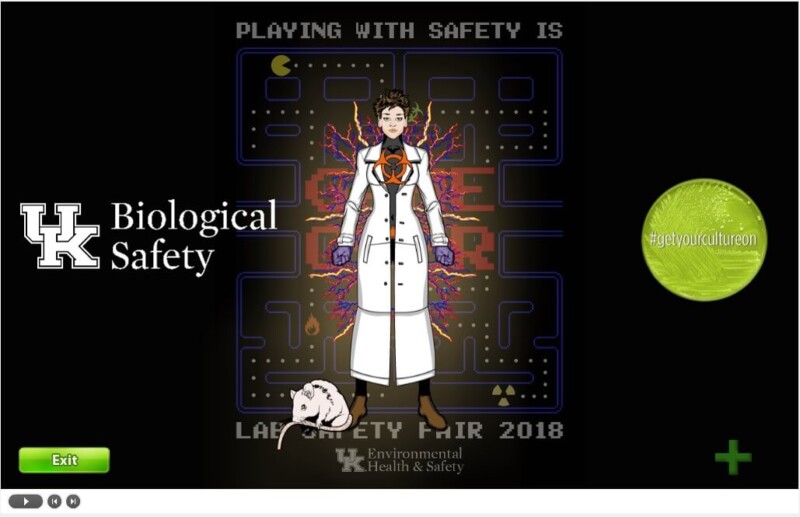
The Hall of Horrors-Safety Video Game
Holley Trucks, University of Kentucky
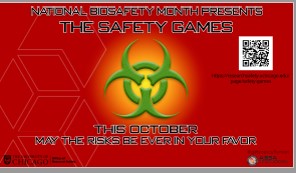
Safety Games-Safety Oriented Scavenger Hunt
Hsiang-Ming Wang, University of Chicago
2017
Don’t be Sorry | Be Safe!
Richard Baumann, National Institutes of Health
Stay Alert, Don’t Get Stuck
Irene Mendoza, Giorgio Scarpellini, Catherine Mancini, Arizona State University
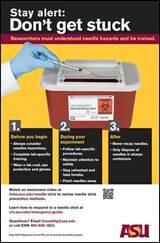
image sources
- bioawardagw: Owned by the author
- bioawardehsm: Owned by the author
- bioawardjhr: Owned by the author
- bob_hash: Owned by the author
- bioawardeag: Owned by the author
- bioawardgriffin: ERG Research Foundation
- bioawardrig: Owned by the author
- bioawardrck: Owned by the author
You must be logged in to post a comment.