
Events posted are for the biosafety community and are not automatically approved for CM Points.
Approved trainings can be found here.

Have an event? List it in the Biosafety Calendar.
Events submitted must be approved and may take up to 3 business days to appear on the website.
If you login first you will be able to modify your calendar events if you need to.

ABSA-Sponsored

Events

Views Navigation

Event Views Navigation

Today
  • 8V. IBC Basics

    Webinar

    IBC Basics is an introductory course on the function and administration of Institutional Biosafety Committees (IBCs) delivered by expert staff from the National Institutes of Health (NIH) Office of Science Policy (OSP). IBC Basics will promote the professional development of those associated with IBCs by providing an opportunity to learn about the role of NIH OSP, the content of the NIH Guidelines for Research Involving Recombinant and Synthetic Nucleic Acid Molecules, and understand the range of biosafety oversight responsibilities that IBCs have under the NIH Guidelines. This course provides an overview and may be helpful for those new to the field.

  • 7V. Introduction to the Science and Biosafety of Cell and Gene Therapy Clinical Trials

    Webinar

    The use of recombinant and synthetic nucleic acid molecules in clinical trials is growing at an explosive pace. This course is intended to introduce biosafety professionals to the science and biosafety of gene-based investigational products in clinical trials including gene-based vaccines, gene modified cellular products, gene therapy and gene editing. This course will provide an overview of molecular biology, virology and viral vectors. Participants will discuss risk assessments and best practices for dealing with risks associated with diverse types of biological hazards.

  • 1V. Plant and Arthropod Biosafety Basics

    Webinar

    Plant research is the backbone of both genetically modified, disease resistance, and breeding of both academic and biotechnology research. Attendees will discover what is needed to design a greenhouse and lab that will contain genetically modified material and insects as well as an overview of Arthropod Containment Levels. This course will feature a diverse array of advanced scenarios and interactive exercises showcasing the spectrum of biological, genetically modified, arthropod, and other risks and hazards commonly encountered in greenhouses, fields, and laboratories supporting plant research. Attendees will be guided through strategies for identifying potential hazards, assessing the magnitude and extent of induced risks and cost, and developing effective control measures to protect the safety of workers, plants, and the environment. The course employs “real world” examples to improve understanding of greenhouse and field operations.

  • 2V. Infectious Substance Shipping Program Management

    Webinar

    This course is tailored for individuals responsible for establishing and overseeing infectious substance shipping programs within their facilities. This webinar series aims to assist institutions in developing robust shipping programs tailored to their needs. Course elements include: training; written policies; written descriptions of program plans; transport and shipping specific SOPs; safety and security plans; emergency response plans; logistics and supplies; carrier selection and support; MOUs and authorizations; access control and personnel assurance. The instructor will provide a detailed and comprehensive shipping program assessment and implementation guidance document. Attendees will receive an introduction to this document and step-by-step guidance on its completion. By completing the assessment document, attendees will conduct a thorough review to identify areas for improving existing shipping programs. This interactive, instructor led, web-based training will invite attendees to share examples of how these elements are addressed at their own institution.

  • 67th Annual Biosafety and Biosecurity Hybrid Conference

    JW Marriott Phoenix Desert Ridge Resort & Spa 5350 E Marriott Dr, Phoenix, AZ, United States

    The ABSA International conference is the largest biosafety and biosecurity conference in the world! The conference will provide solutions to tackle your most challenging issues, present fascinating case studies, and showcase the latest developments in biosafety and biosecurity. ABSA International’s educational sessions offer insights into the every-changing world of biosafety and biosecurity, keeping you updated on the latest techniques and best practices. You’ll have opportunities to network with your peers and discuss common issues, share advice, and exchange ideas. There will also be commercial exhibits showcasing the latest technologies in biosafety and biosecurity.

  • 18. Gain-of-Function Research and PEPP

    Webinar

    Gain-of-function research and PEPP is a webinar designed for biosafety/biosecurity professionals and communicators to understand new federal guidance on “gain of function” or Category 2 research and pathogens of enhanced pandemic potential (PEPP). The goal is to develop an understanding and the tools to explain what Category 2 research is, how it differs from Category 1 research (“dual-use research of concern”), and the role of ethical analysis in these categories for assessing research with PEPP. The webinar will focus on practitioner views of the current policy, led by a biosecurity expert with over 15 years’ experience studying, teaching on, and crafting policy for biosecurity for a variety of national and international groups. By the conclusion of this webinar, participants will gain an understanding of how to assess Category 2 research in the context of the new policy moving into its 2025 implementation, and the role of institutional compliance officers (including IBCs) in assessing Category 2 research in their own institutions.

  • 6V. Disposal of Research Animal Carcasses

    Webinar

    This course will focus on research-based, unique scenarios presented with animals in research and diagnostic environments. Course topics include: composting, incineration, rendering challenges, carcass movement, unique agent requirements, complex variety of animal species (large, small, wildlife, companion, research, diagnostic), mixed hazard waste issues. The attendees will see strategies to assess risk and apply best practices and regulatory requirements to common and diverse situations. Course will be interactive, with breakout sessions and real-world examples.

  • USDA ARS 8th International Biosafety & Biocontainment Symposium

    Hilton Baltimore Inner Harbor 401 W Pratt St, Baltimore, MD, United States

    February 10-13, 2025 Hilton Baltimore Inner Harbor Baltimore, Maryland Valuable professional development courses 2½ days of scientific presentations Exhibits showcasing the latest agricultural biosafety, biosecurity, and biocontainment products and services Network with professionals from the biosafety, biosecurity, and scientific research industries, organizations, and agencies

  • 01. From Lab to LinkedIn: Communication Strategies & Tools for Biosafety Professionals

    Webinar

    This professional development webinar focuses on helping safety professionals effectively communicate with a range of audiences in and out of the field. Learn how to translate complex safety concepts into clear, engaging messages that resonate with different stakeholders, from public relations or information officers to institutional leadership. Key topics include: developing your professional brand as a safety expert; representing ABSA International and the biosafety profession with credibility; and creating targeted communication strategies for different generations through their preferred media and communication channels. Attendees will also learn to build effective routine communication with PR and PI staff, not just during emergencies and adapting messages for various platforms and audience needs.

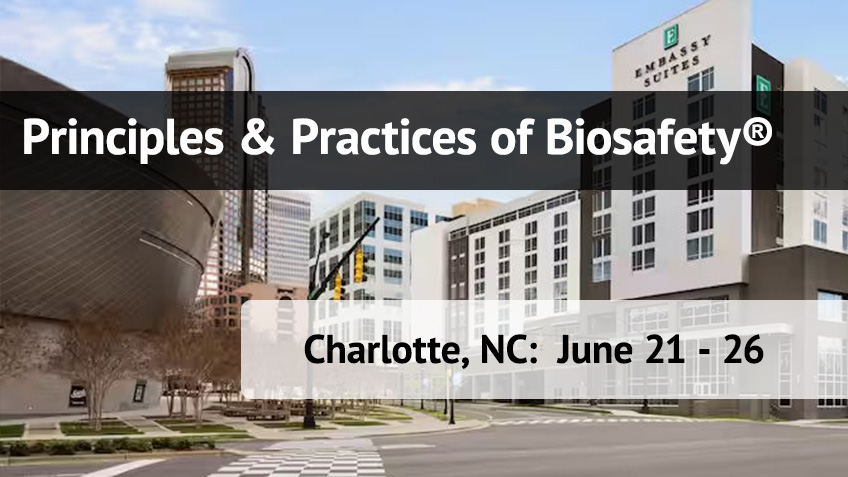
  • Principles & Practices of Biosafety® | Alexandria, VA

    Embassy Suites–Alexandria Old Town 1900 Diagonal Rd, Alexandria, VA, United States

    A COMPREHENSIVE, INTERACTIVE 5-DAY COURSE Principles & Practices of Biosafety® will introduce the essential elements of biosafety and provide extensive resource lists for use after the course. Interactive exercises will be used throughout to provide hands-on experience and to encourage networking and problem-solving among participants and instructors. OBJECTIVES At the end of the course each participant will be able to: Describe potentially hazardous biological materials, the risks associated with their use, and the means to minimize risk and to protect against or prevent release or exposure Discuss ways to provide effective technical expertise in situations involving potentially hazardous biological materials Identify, locate, and efficiently use key biosafety resources

  • 03. Dual-Use and Gain-of-Function Research in Uncertain Legislative Times

    Webinar

    Dual-Use and Gain-of-Function Research in Uncertain Legislative Times is a webinar designed for biosafety/biosecurity professionals and communicators to understand the changing landscape of biosecurity policy surrounding high-consequence of research. The goal is to understand the 2024 United States Government Policy for Oversight of Dual Use Research of Concern and Pathogens with Enhanced Pandemic Potential in advance of the May 6, 2025 implementation date, and work together to craft strategies for biosafety and biosecurity professionals to adapt institutional responses in light of continuing government action through, for example, the Risky Research Review Act under consideration in Congress. The webinar will be highly interactive, with a focus on practitioner views of the current policy and future uncertainty, led by a biosecurity expert with over 15 years’ experience studying, teaching on, and crafting policy for biosecurity for a variety of national and international groups. By the conclusion of this webinar, participants will gain an understanding of how to ensure compliance goals are met in advance of the May implementation deadline but are responsive to the possibility of new regulatory requirements as early as the end of the year.

  • 10. Navigating Your Career: Strategies for Success in Challenging Job Markets

    Webinar

    In today’s competitive job market, a strong LinkedIn profile and strategic networking are essential to stand out and secure meaningful career opportunities. This comprehensive webinar, Navigating Your Career: Strategies for Success in Challenging Job Markets, is designed to equip professionals with the tools and insights they need to enhance their online presence, craft impactful resumes, and leverage networking for career advancement.

  • 04. Fundamentals of Microbiology and Infectious Disease

    Webinar

    Fundamentals of Microbiology and Infectious Disease is intended for those professionals who participate in protocol review, facilities planning, and any other risk assessment activities, but are unsure as to the actual nature of the disease risks of microbiological agents. Biological safety and risk assessment will not be covered in this course. The proposed topics will cover infectious agents, virulence factors, pathogenicities, host-microbe interactions, susceptibility, modes of transmission, and the changes seen in the microbial world. If you don’t know the difference between a TCID50, PFU, or ID50; or why HBV is stable in dried blood and HIV is not; or why influenza is an inhalation hazard; or why public health officials advocate flu shots each year—then this course is for you.

  • Principles & Practices of Biosafety® | Omaha, NE

    Embassy Suites Omaha Downtown Old Market South 10th Street, Omaha, NE, United States

    A COMPREHENSIVE, INTERACTIVE 5-DAY COURSE Principles & Practices of Biosafety® will introduce the essential elements of biosafety and provide extensive resource lists for use after the course. Interactive exercises will be used throughout to provide hands-on experience and to encourage networking and problem-solving among participants and instructors. OBJECTIVES At the end of the course each participant will be able to: Describe potentially hazardous biological materials, the risks associated with their use, and the means to minimize risk and to protect against or prevent release or exposure Discuss ways to provide effective technical expertise in situations involving potentially hazardous biological materials Identify, locate, and efficiently use key biosafety resources

  • 05. Concepts of Virology

    Webinar

    Concepts of Virology will briefly review gene expression in eukaryotes and examine several concepts of virology. Characteristics of different viral families will be presented as well as general replication strategies employed by different viruses. Mechanisms of viral pathogenesis and strategies for antiviral intervention will also be explored. Participants should have a familiarity with molecular biology. The course is targeted to the biosafety professional who does not actively conduct laboratory research but would like to gain a basic knowledge of virology.

  • Principles & Practices of Biosafety® | Pittsburgh, PA

    Embassy Suites—Pittsburgh Downtown 535 Smithfield Street, Pittsburgh, PA, United States

    A COMPREHENSIVE, INTERACTIVE 5-DAY COURSE Principles & Practices of Biosafety® will introduce the essential elements of biosafety and provide extensive resource lists for use after the course. Interactive exercises will be used throughout to provide hands-on experience and to encourage networking and problem-solving among participants and instructors. OBJECTIVES At the end of the course each participant will be able to: Describe potentially hazardous biological materials, the risks associated with their use, and the means to minimize risk and to protect against or prevent release or exposure Discuss ways to provide effective technical expertise in situations involving potentially hazardous biological materials Identify, locate, and efficiently use key biosafety resources

  • 11. Field Biosafety: Protecting Researchers and Communities in Wildlife Disease Investigations

    Webinar

    This webinar will provide comprehensive training on field biosafety, designed specifically for biosafety professionals, researchers, veterinarians, and field personnel involved in wildlife disease research. The course is structured to offer practical guidance on assessing biosafety risks in diverse field settings and effectively implementing the Field Biosafety Levels (FBSLs)—a structured framework for zoonotic disease protection. Participants will learn to critically evaluate risks, determine appropriate biosafety levels, and apply best practices in real-world scenarios. Over the two sessions, participants will be introduced to key principles of field biosafety and detailed considerations for advising researchers on potential risks. Participants will also explore the practical application of Field Biosafety Levels (FBSLs) as a proposed standardized approach to managing zoonotic risks in diverse field environments. In the final session, participants will be given a brief recap, followed by an interactive implementation practice exercise. Real-world examples, including visual aids illustrating proper and improper biosafety practices, will be reviewed. Participants will engage in active discussions, analyzing images to identify potential biosafety hazards and propose solutions. The webinar concludes with an open Q&A session.

  • 06. Large-scale Biosafety

    Webinar

    Large-scale Biosafety will review biosafety for work at large-scale, which the NIH rDNA Guidelines defines as >10L. The course will review Appendix K from GLSP to BSL-3 LS, with a focus on primary and secondary containment. It will review basic bioprocessing steps, such as fermentation/cell culture and purification technologies. Examples of classic and newer single use technologies will be provided. Pearls and pitfalls of the various technologies will be discussed, using various scenarios. The course will include a review of risk assessment techniques used for large scale bioprocesses and a discussion of large-scale related to vaccines, viral vectors, and recombinant proteins.

  • Biosafety and Biosecurity Training Course (BBTC®)

    Hilton Fort Collins 425 West Prospect Road, Fort Collins, CO, United States

    ABSA BBTC® Fort Collins August 4-8, 2025 Hilton Fort Collins Fort Collins, Colorado Registration will open Spring 2025. A WEEK-LONG COURSE COVERING ANIMAL, GENERAL, AND PLANT BIOSAFETY AND BIOSECURITY The Biosafety and Biosecurity Training Course (BBTC®) is designed for persons who are interested in the varying aspects of the responsibility of biosafety professionals. It is also suitable for persons who supervise biosafety professionals and for those who will benefit from additional knowledge of biosafety as a complement to their primary responsibilities. The week-long training will address preparations for audits and inspections, BSL-2/BSL-3 building design and operations, clinical and public health [...]

  • 07. Molecular Biology 101

    Webinar

    Molecular Biology 101 is intended for those professionals that participate in protocol review, facilities planning, and other risk assessment activities but lack a basic understanding of molecular biology and techniques. Following this course, attendees will be able to do more than regurgitate facts and use the new understanding of the principles of molecular biology in various situations at their institution. This course will cover topics such as the chemistry of nucleic acids, DNA replication, RNA transcription, and protein translation, the Central Dogma of Biology, DNA cloning, transfection of prokaryotic and eukaryotic cells, restriction enzymes, and recombinant DNA lab methodologies (including PCR, DNA fingerprinting, sequencing, and detection protocols). While this course will not turn you into a molecular biologist, it will give you enough background information to understand the nature and manipulation of genetic material and hopefully unveil the mystery of deoxyribonucleic acid.
  • APHL/ABSA Webinar: Temporary Laboratories: Uses and Safety Concerns

    Webinar

    This webinar in collaboration with the American Biological Safety Association (ABSA) will delve further into the topic of mobile and temporary laboratories. Topics will include how they may be employed for preparedness events and disaster relief, their ability to be utilized as BSL-2 and/or BSL-3 spaces, and concerns with validation of operating parameters, certification and commissioning. Experts with personal experience will discuss the usefulness of these temporary facilities, various appropriate procedural applications and potential problems.

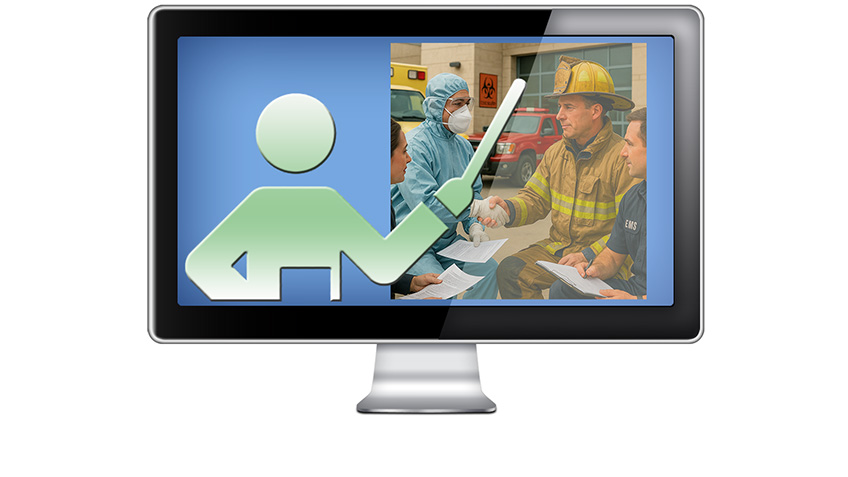
  • 12. Laboratories & 1st Responders: Coordination, Planning, & Emergency Response

    Webinar

    Laboratories & 1st Responders: Coordination, Planning, & Emergency Response webinar will provide researchers, administrators, and safety professionals working in laboratory facilities with recommendations and best practices on how to establish beneficial working relationships with regional emergency response agencies. This webinar will provide an overview of emergency management functions, strategies for engaging 1st responders, recommendations on how to prepare research facilities for emergencies, and breakout sessions and case studies to discuss how to build relationships, support 1st responders, develop response procedures, and conduct exercise planning. Ample time will be provided throughout the webinar to discuss participant experiences and concerns.

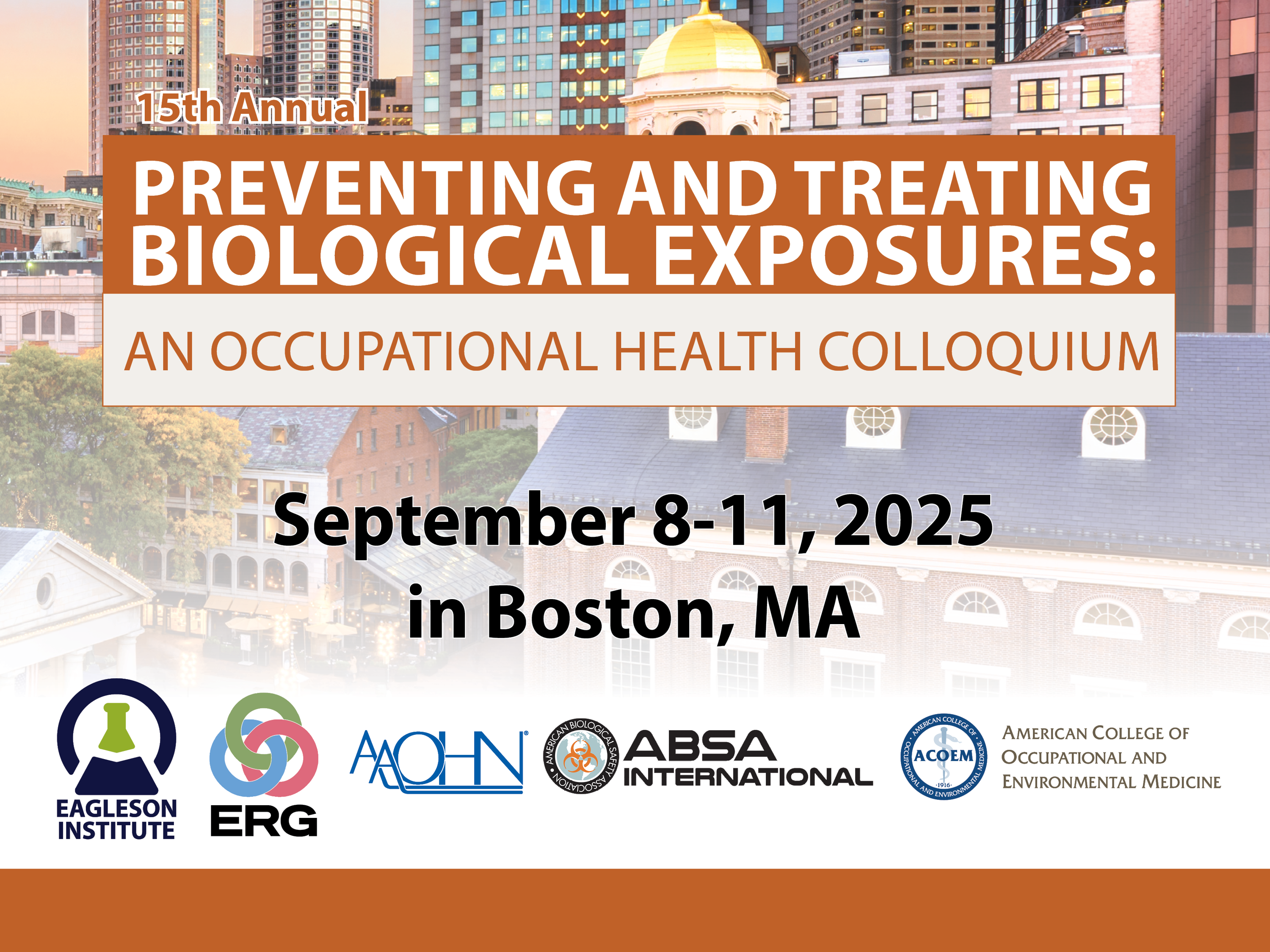
  • 15th Annual Preventing and Treating Biological Exposures: An Occupational Health Colloquium

    ALOFT Boston Seaport District 401-403 D Street, Boston, MA, United States

    Join The Eagleson Institute and the Elizabeth R Griffin Program in Boston, MA this September for the 15th Annual Preventing and Treating Biological Exposures: An Occupational Health Colloquium This event, co-sponsored by ABSA International, connects biosafety professionals with occupational health professionals, bringing together the people who know, with the people who need to know. Topics include: Developing an Occupational Health Program, Preparing for an AAALAC Inspection, Respiratory diseases, Lentiviral and Retroviral Vectors, Laboratory Animal Allergies, Biomedical Research, Best Practices, Travel Medicine, Late Breaking Topics Tour: National Emerging Infectious Disease Laboratory (NEIDL), Boston University.

  • 08. Virus-based Gene Transfer Vectors

    Webinar

    Virus-based Gene Transfer Vectors is an intermediate course that will examine the molecules, processes, and techniques involved in recombinant gene expression. Participants will explore the technology of how viruses are converted into vector systems for the transfer of gene expression constructs. Common viral vector systems, including retroviruses, lentiviruses, adenoviruses, poxviruses, herpesviruses, alphaviruses, and baculoviruses will be discussed with an emphasis on the biosafety characteristics of the vectors derived from these viruses. This course is targeted for the biosafety professional who is not actively conducting laboratory research yet requires a basic understanding of recombinant DNA methodology.

  • 1V. A Helpful Guide to Becoming a Well-Rounded Biosafety Professional Workshop

    Webinar

    Biosafety professionals must grasp the complexity of various hazards present in laboratories, which include not only biological agents but also chemical, radiological, and physical hazards. This course will provide an overview of these key hazards and equip participants with the knowledge needed to assess and mitigate risks within their institutions. Topics will cover biological hazards (including risk assessments and a brief review of laboratory regulations), select agents, chemical hazards (with an emphasis on safety data sheets and hazard communication), industrial hygiene (including respiratory safety, air quality, and waste anesthetic gas management), radiological hazards (including lasers), and animal-related hazards (such as physical risks and allergens). The course will conclude with practical tabletop exercises, allowing participants to apply the concepts learned throughout the course, including risk assessment development, emergency response, and handling unique laboratory conditions.

  • 2V. Program Management Fundamentals for the Biosafety Professionals

    Webinar

    This course is designed for biosafety professionals who are responsible for overseeing biosafety departments. The principles and practices briefly covered in this course are closely related to the Program Management Professional (PMP) certification. By understanding the core competencies of the PMP framework, biosafety professionals can apply project management methodologies to enhance the planning, execution, and evaluation of their biosafety programs. This integration of program management skills with biosafety expertise ensures that participants are well-prepared to lead effective, compliant and sustainable biosafety programs within their organizations. In addition, the course aligns with key international standards and guidelines, such as ISO 35001, which specifies requirements for a biosafety risk management system. Participants will gain insights into how to integrate ISO 35001 principles into their biosafety programs, ensuring a systematic and effective approach to biosafety risk management. The course also covers the World Health Organization (WHO) Biosafety Programme Management Associated Monograph, providing a global perspective on best practices for managing biosafety risks. By familiarizing themselves with the WHO guidelines, participants will be better equipped to implement and maintain robust biosafety programs that meet international standards.

  • 3V. Introduction to the Science and Biosafety of Cell and Gene Therapy Clinical Trials

    Webinar

    The use of recombinant and synthetic nucleic acid molecules in clinical trials is growing at an explosive pace. This course is intended to introduce biosafety professionals to the science and biosafety of gene-based investigational products in clinical trials including gene-based vaccines, gene modified cellular products, gene therapy and gene editing. This course will provide an overview of molecular biology, virology and viral vectors. Participants will discuss risk assessments and best practices for dealing with risks associated with diverse types of biological hazards.

  • 4V. Clinical Biosafety Essentials: A Guide to Integrating Safety Practices from Research to Clinical Environments

    Webinar

    This course addresses the growing need for Biosafety Professionals to apply biosafety principles in the clinical environment. Clinical trials for biological therapeutics are becoming increasingly common. Therefore, safety professionals on regulatory committees such as the Institutional Biosafety Committee must possess a strong understanding of clinical safety, terminology, and regulatory requirements in order to perform an adequate risk assessment of the proposed hazard mitigation measures for these studies. In this course we will explore various clinical spaces, their unique biosafety considerations, and relevant hospital regulations that apply to patient safety, staff safety and a safe environment of care. You will also acquire the knowledge necessary to apply these safety practices in accordance with both research and clinical safety regulations while developing, in collaboration with clinical colleagues, processes that maintain staff safety at all levels.

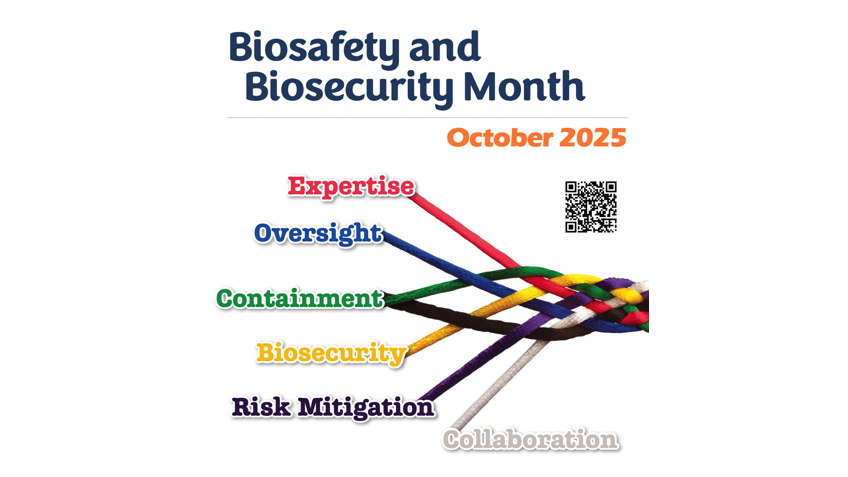
  • ABSA International Biosafety and Biosecurity Month

    ABSA International Biosafety and Biosecurity Month ABSA International is proud to announce the 12th anniversary of Biosafety and Biosecurity Month in October 2025. Use this month to shine the spotlight on training ideas, stewardship and engagement, how to foster positive relationships within the research community, or supporting responsible and ethical research through our profession.

  • 5V. Integrating AI into Biotechnology: A Biosecurity Risk Assessment Workshop (Part 2) – Embodied AI and Automation in Biorisk Management

    Webinar

    As AI becomes increasingly integrated into laboratory operations and risk management, it presents both challenges and opportunities for improving safety and mitigating biological threats. This advanced workshop builds on last year’s course, focusing on biosecurity risk assessment frameworks for AI-enabled systems, with a focus on embodied AI agents and automation. Drawing from recent advances, including the use of humanoid robotic systems with AI in high-containment environments, this course will combine theoretical foundations with hands-on applications. Attendees will engage in case studies and group exercises to assess biosecurity risks associated with AI-driven tools and systems in laboratory settings.

  • 6V. Anatomy of an IBC meeting: Understanding the Structure, Function, and Operations of an Institutional Biosafety Committee

    Webinar

    This four-hour course provides an in-depth look at the anatomy of an Institutional Biosafety Committee (IBC) meeting, exploring its role within the broader biosafety program. Participants will gain a comprehensive understanding of IBC meeting operations, including committee structure, member responsibilities, and the processes that ensure compliance and risk mitigation. Topics covered include the intersection of biosafety programs and IBC functions; roles and responsibilities of IBC members, biosafety staff, and ad-hoc consultants based on their expertise; managing nonconformity issues and implementing corrective actions; the role of pre- and post-IBC meetings in streamlining operations; utilizing the IBC meeting matrix to improve efficiency and decision-making; engaging special reviewers and external consultants when needed; structuring an IBC meeting into different sections such as recombinant DNA, infectious agents, IRE, and subcommittees; handling NIH reportable incidents and urgent post-submission requests; and understanding IBC registration forms, help documents, and compliance tools. Through case studies and discussion-based activities, attendees will leave with a clearer understanding of how to effectively contribute to and enhance IBC meetings. This course is ideal for current and prospective IBC members, biosafety professionals, and institutional stakeholders involved in biological research oversight.

  • 8V. Host Pathogen Interactions for Biosafety Professionals

    Webinar

    The course is intended to introduce biosafety professionals to host-pathogen interactions by focusing on fundamentals of immunology, microbiology and their interplay as they pertain to biosafety risk assessments utilizing instructional videos, case studies, established lab acquired infections and publications. Information from this course can assist biosafety professionals assess risks from microbiological research including potential effects of genetic modifications on virulence and infectivity of pathogens, susceptibility of hosts in in-vitro and in-vivo models for IBC review, assessing impact to the wellbeing of research animal hosts for IACUC review, as well as the occupational safety and occupational health of research personnel.

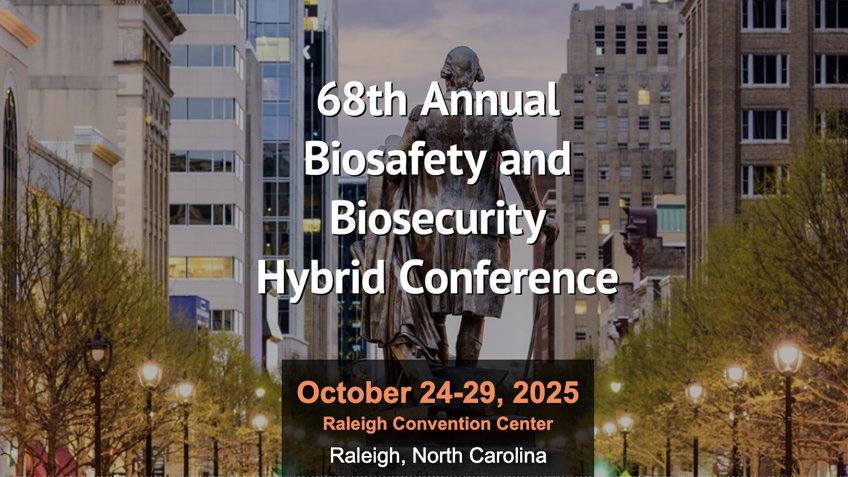
  • 68th Annual Biosafety and Biosecurity Hybrid Conference

    Raleigh Convention Center 500 S Salisbury St, Raleigh, NC, United States

    October 24-29, 2025 Raleigh Convention Center Raleigh, North Carolina Intensive professional development courses to educate and inspire Three full days of state-of-the-art keynotes, papers, and panels highlighting best practices and hands-on skills crucial for today’s biosafety and biosecurity professionals In-person exhibits showcasing the latest in laboratory biosafety and biosecurity products and services Invaluable networking opportunities to share and learn from other biosafety and biosecurity professionals

  • 9V. Keeping it Going: Maintaining and Improving a Select Agent Program Over the Long Term

    Webinar

    Keeping a select agent program going can be difficult, especially in the face of ever-changing regulatory requirements and limited resources. Established procedures may suddenly become unacceptable, interrupting research and frustrating laboratorians. Likewise, a single unexpected adverse event can put an entire program at risk. Being prepared to deal with such changes and events is critical to maintaining a robust program. Anticipating future challenges can be even more advantageous, elevating a program from good to great. A proactive approach can minimize the impact of new requirements and reduce duration and frequency of crises sparked by sudden, unexpected requirements or events. This course will explore strategies for maintaining and improving an existing program, including how to anticipate and respond to new requirements. The focus will be on U.S. select agent requirements, although a small section on comparable requirements in the international community will be included. Strategies will be based on the instructors’ experience with their program with additional input solicited from class attendees during open discussions. Topics will include select agent program history; effective oversight; efficiently meeting ongoing requirements; reporting, responding to, and analyzing incidents; suitability program case studies; inactivation requirements, including “failure” investigation; and inspection preparation and response. The course will consist of topical presentations followed by group discussions aimed at facilitating application of presented strategies to attendees’ individual programs and providing a platform to capitalize on attendees’ collective experience.
  • 13. From Message to Impact: Using AI to Improve Biosafety Communication

    Webinar

    Virus-based Gene Transfer Vectors is an intermediate course that will examine the molecules, processes, and techniques involved in recombinant gene expression. Participants will explore the technology of how viruses are converted into vector systems for the transfer of gene expression constructs. Common viral vector systems, including retroviruses, lentiviruses, adenoviruses, poxviruses, herpesviruses, alphaviruses, and baculoviruses will be discussed with an emphasis on the biosafety characteristics of the vectors derived from these viruses. This course is targeted for the biosafety professional who is not actively conducting laboratory research yet requires a basic understanding of recombinant DNA methodology.

  • 10V. Infectious Substance Shipping Program Management

    Webinar

    This course is tailored for individuals responsible for establishing and overseeing infectious substance shipping programs within their facilities. This webinar series aims to assist institutions in developing robust shipping programs tailored to their needs. Course elements include: training; written policies; written descriptions of program plans; transport and shipping specific SOPs; safety and security plans; emergency response plans; logistics and supplies; carrier selection and support; MOUs and authorizations; access control and personnel assurance. The instructor will provide a detailed and comprehensive shipping program assessment and implementation guidance document. Attendees will receive an introduction to this document and step-by-step guidance on its completion. By completing the assessment document, attendees will conduct a thorough review to identify areas for improving existing shipping programs. This interactive, instructor led, web-based training will invite attendees to share examples of how these elements are addressed at their own institution.

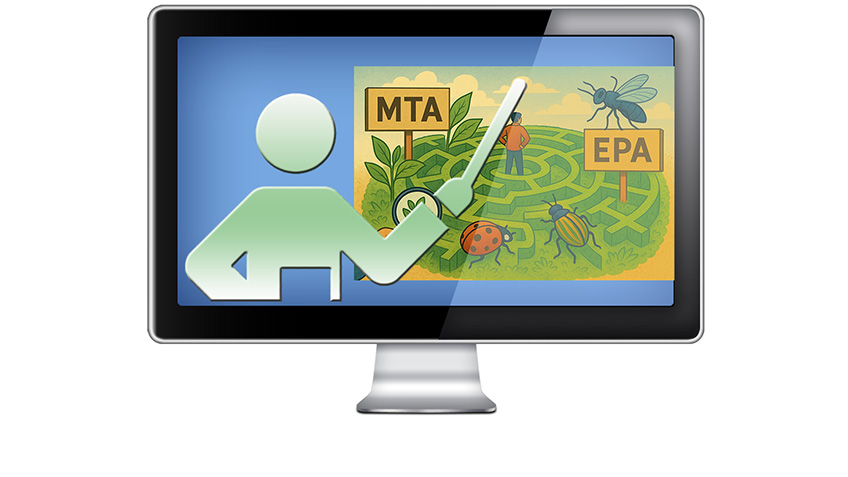
  • 14. Plant & Insect Permit Pathways: Navigating the Regulatory Maze from MTA to EPA

    Webinar

    Part I Foundations and Frameworks – Plant and plant pest research is the backbone of both genetically modified, disease resistance and breeding of both academic and biotechnology research so it is important that research is conducted legally and ethically. The first webinar will cover the importance of having the Material Transfer Agreement (MTA) in place before research begins and a Non-disclosure Agreement (NDA) to protect confidential business information (CBI) and Intellectual Property (IP) rights. We will discuss the Cartagena Protocol on Biosafety, which is an international agreement on biosafety and a supplement to the Convention on Biological Diversity to understand requirements for access and benefit sharing between countries. The class will walk you through setting up an eFile account which is used for applying for permits. This will be the first session of 2 and it will be conducted over a 2-hour period with time for questions and answers. Part II: Federal Compliance – PPQ, BRS, VS, PHYTO, EPA, Biopesticides, Wildlife & Fisheries – The second part of the series will provide participants with an overview of the federal regulations that allow you to import, export and move biological material inside and outside the U.S. legally. The class will expand on the first session by walking you through the ins and outs of applying for different permits. This course will cover the foundations of whether a permit is needed, how to apply for a permit, what type of permit you need, permit conditions, and the result of non-compliance.

  • 01. Intro to Flow Cytometry Biosafety

    Webinar

    Intro to Flow Cytometry Biosafety will provide safety professionals and anyone working in a laboratory setting a foundation on flow cytometry and cell sorting and strategies for mitigating the risks associated with typical flow cytometry instrumentation and procedures. This course will include a detailed overview of how flow cytometers work, common sample types that are handled in flow cytometry laboratories, a typical flow cytometry workflow, and considerations for core facilities/shared resource laboratories. The risks associated with flow cytometry and cell sorting will be discussed as well as mitigation strategies that can be implemented to reduce these risks. The course will be presented by experts from the International Society for Advancement of Cytometry (ISAC) Biosafety Committee and will include an overview of the ISAC Biosafety Standards. This course will include lecture material, breakout sessions where attendees will evaluate risks and develop plans for risk mitigation using real-world examples, and ample time for questions.

  • 02. From Expertise to Influence: Public Relations, AI and Your Personal Brand

    Webinar

    From Expertise to Influence is a practical course designed for biosafety professionals seeking to amplify their voice in an increasingly digital landscape. In this course, attendees will discover how artificial intelligence (AI) tools can help create compelling content, streamline personal communications, and establish oneself as a thought leader in biosafety. Examples will be shared of how to better communicate at work and beyond while avoiding common AI pitfalls like generic messaging, factual errors, and loss of your authentic voice. Presenters will explore the latest LinkedIn features and algorithm changes that impact how biosafety professionals can reach colleagues, organizations, and industry partners. Finally, strategies will be shared for optimizing your profile and content for maximum engagement and visibility. At the end of this course, attendees will be able to apply these insights—understanding public relations role in personal branding and the items needed for their personal checklist, to elevate their digital professional presence. This course will be led by communications experts with over 25 years’ experience developing and sharing messages with a wide variety of target audiences in brand-building and crisis situations.

  • 13. Introduction to Biosafety in the Clinical Setting

    Webinar

    The clinical setting poses a different environment than research laboratories. This course provides foundations for applying biosafety concepts in the clinical setting. Course topics include common issues and lessons learned pertaining to clinical facilities including pharmacies, laboratories, clinics, infusion areas, ORs, and waste disposal facilities; PPE, disinfection, risk assessments, and safety practices in the clinical setting; speaking biosafety to doctors, nursing staff, pharmacy staff, infection prevention and control, diagnostic microbiology lab personnel, and hospital EHS staff; applying NIH Guidelines and the BMBL to the clinical setting; gaps in oversight of research safety for clinical trials, and risk assessments for unconventional or highly specialized delivery mechanisms for biologics. The course will conclude with a focus on clinical trials including the role of an IRB and how it can overlap with an IBC; the process for investigational products to obtain FDA approval to be deemed as safe and effective therapeutics; and the evolving regulatory environment in the U.S. for biologics such as vaccines, regenerative medicines, and gene therapy. The course is designed to be highly interactive with discussions, surveys, and group exercises.

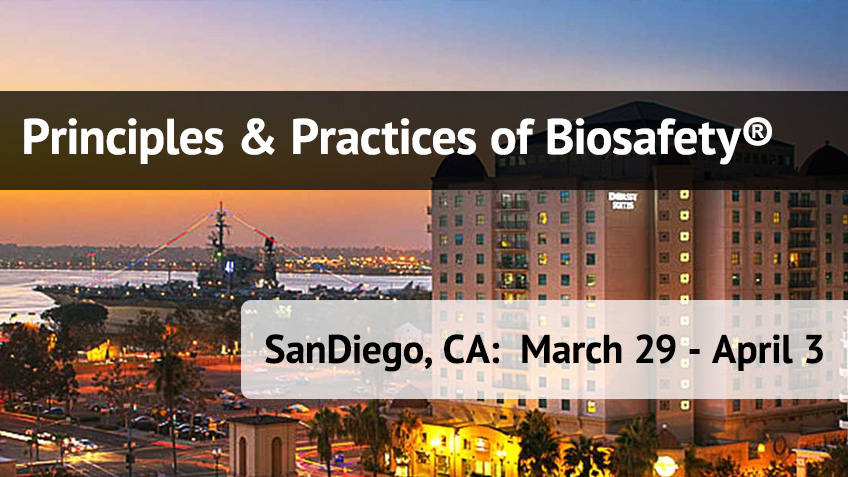
  • Principles & Practices of Biosafety®, San Diego, CA

    Embassy Suites by Hilton San Diego Bay Downtown 601 Pacific Highway, San Diego, CA, United States

    Principles & Practices of Biosafety® will introduce the essential elements of biosafety and provide extensive resource lists for use after the course. Interactive exercises will be used throughout to provide hands-on experience and to encourage networking and problem-solving among participants and instructors.  Objectives At the end of the course each participant will be able to: Describe potentially hazardous biological materials, the risks associated with their use, and the means to minimize risk and to protect against or prevent release or exposure Discuss ways to provide effective technical expertise in situations involving potentially hazardous biological materials Identify, locate, and efficiently use [...]

  • 04. Fundamentals of Microbiology and Infectious Disease

    Webinar

    Fundamentals of Microbiology and Infectious Disease is intended for those professionals who participate in protocol review, facilities planning, and any other risk assessment activities, but are unsure as to the actual nature of the disease risks of microbiological agents. Biological safety and risk assessment will not be covered in this course. The proposed topics will cover infectious agents, virulence factors, pathogenicities, host-microbe interactions, susceptibility, modes of transmission, and the changes seen in the microbial world. If you don’t know the difference between a TCID50, PFU, or ID50; or why HBV is stable in dried blood and HIV is not; or why influenza is an inhalation hazard; or why public health officials advocate flu shots each year—then this course is for you.

  • 26BSS01. Agricultural Biosecurity: Protecting Animal Health, Public Health, and the Environment

    Webinar

    Agricultural biosecurity is a critical component of the One Health concept. It includes various strategies designed to safeguard the health and welfare of agriculturally important animals, the environment, and society in general by preventing infections and their spread among these species, humans, and nontarget species, including wildlife. Increased movement of live animals and their products, as well as the growing trend towards intensification and expansion of animal production systems, represents a significant risk to food supply chains, public health, and the economy due to the possible emergence and spread of exotic animal pests and pathogens, zoonotic diseases, and foodborne agents. Effective management and control of these challenging and complex risks requires application of core principles and cohesive strategies that emphasize sustainability through improved husbandry and health management practices.

  • One Health and Tuberculosis

    This event is hosted by the Texas Department of State Health Services Public Health Region 1 Clinicians, veterinarians, laboratorians, researchers, public health professionals, and the community come together to explore the interconnected challenges of tuberculosis across human, animal, and environmental health. Through expert panels and cross-disciplinary discussions, participants will gain insights into current TB risks, surveillance, diagnostics, and prevention strategies in Texas.

    Free
  • FRaBSA Spring Technical Meeting

    Virtual

    REGISTERhttps://form.jotform.com/260974992411162This meeting will be in a virtual formatONLINE BUSINESS AND TECHNICAL MEETING Friday, April 24, 2026 11:30 – 3:30 pm MST   Current FRaBSA Members – Free Non-Members - $15 North American ABSA Affiliate Members - $10.00 Non-USA Attendees – Free Order of presentations may change  - note the schedule has changed 11:30-12:00 pm          Gathering/Welcome/Introductions- FRaBSA President                                         Business Meeting- FRaBSA President 12:00-12:30 pm          Sponsor Presentation: Merrick                                     [...]

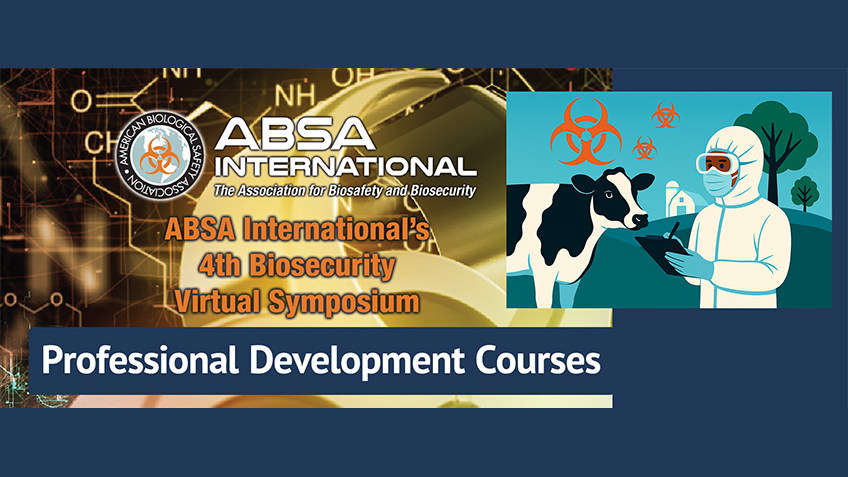
  • 4th Biosecurity Symposium

    Virtual

     ABSA International’s4th Biosecurity Virtual SymposiumMay 12-13, 2026The Symposium will bring together biosecurity professionals from a wide range of disciplines with varying expertise to share their experiences and knowledge on diverse biosecurity topics. The Symposium will offer attendees an opportunity to learn the latest in biosecurity and have thought-provoking conversations about real-world biosecurity issues, concerns, and scenarios.

  • 05. Concepts of Virology

    Webinar

    Concepts of Virology will briefly review gene expression in eukaryotes and examine several concepts of virology. Characteristics of different viral families will be presented as well as general replication strategies employed by different viruses. Mechanisms of viral pathogenesis and strategies for antiviral intervention will also be explored. Participants should have a familiarity with molecular biology. The course is targeted to the biosafety professional who does not actively conduct laboratory research but would like to gain a basic knowledge of virology.

  • 09. Utilizing Measures and Metrics to Sell Your Biosafety Program

    Webinar

    This webinar will first summarize the content of the ANSI/ASSP Z16.2-2022 Safety and Health Metrics and Performance Measures report and then provide tangible examples of how actual biosafety program data can be collected, displayed, communicated, and used as the basis for programmatic decision-making while meeting the criteria described in the report. The webinar will include group discussions focused on discovering what data is currently being collected and what data is expected by organizational leadership, so participants are asked to come prepared to describe their respective measures and metrics that are currently being used and which parameters other stakeholders are seeking. The importance of capturing and communicating this information to “sell” your biosafety program to organizational stakeholders will be featured. The ability to effectively “sell” your program can help garner necessary program support and resources for success. Ample time will be allotted for participants’ questions and discussion.

  • 03. Beat the Bite: Tick Safety for Research Teams

    Webinar

    Beat the Bite: Tick Safety for Research Teams provides research personnel with essential guidance and practical tips for safely handling ticks in a laboratory or animal research environment. Attendees will explore the tick life cycle, zoonotic pathogen transmission, key exposure risks during colony maintenance and experiments, and how to apply appropriate biosafety measures including PPE, containment, safe handling techniques, bite prevention, decontamination, tick escape responses, and post-exposure protocols.