

 by Joshua Turse
The proposed NIH Policy for Research Involving Biohazards could significantly change how institutions oversee biological research. The question isn’t simply whether broader oversight is needed, but whether the policy provides institutions with the clarity, flexibility, and resources to implement it effectively.
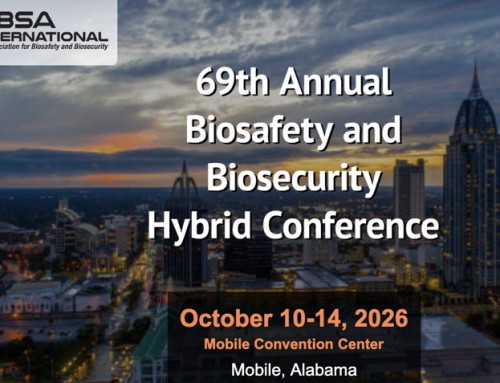
That was the focus of a panel discussion at this year’s ABSA International Biosafety and Biosecurity Conference, featuring our colleagues and biosafety professionals Dan Eisenman, Corrie Ntiforo, and Meagan Fitzpatrick.
The panel identified several elements worth preserving. Expanding oversight beyond recombinant and synthetic nucleic acid research would better reflect the biological hazards institutions already manage. Tiered IBC review could also provide greater flexibility, allowing lower-risk activities to receive appropriate oversight without requiring full committee review. A national repository of biosafety incidents could help institutions identify trends and share lessons learned.
However, the panel also identified substantial implementation concerns.
The proposed six-month implementation period may be insufficient for institutions to secure resources, revise procedures, and train personnel. The relationship between risk group classifications and containment requirements also needs clarification. Risk groups alone do not determine appropriate containment; that requires an activity-specific risk assessment.
The treatment of agricultural, animal, plant, and environmental hazards raised additional questions, particularly for institutions conducting research across these areas. Incident reporting requirements likewise need clearer definitions and a framework proportionate to actual risk.
Throughout the discussion, one message stood out: the biosafety community needs to participate in shaping the policies it will be responsible for implementing.
If we don’t participate in the process, we don’t have a voice in the outcome.





You must be logged in to post a comment.