
Events posted are for the biosafety community and are not automatically approved for CM Points.
Approved trainings can be found here.

Have an event? List it in the Biosafety Calendar.
Events submitted must be approved and may take up to 3 business days to appear on the website.
If you login first you will be able to modify your calendar events if you need to.

Events

Views Navigation

Event Views Navigation

Today
  • 07. Molecular Biology 101

    Webinar

    Molecular Biology 101 is intended for those professionals that participate in protocol review, facilities planning, and other risk assessment activities but lack a basic understanding of molecular biology and techniques. Following this course, attendees will be able to do more than regurgitate facts and use the new understanding of the principles of molecular biology in various situations at their institution. This course will cover topics such as the chemistry of nucleic acids, DNA replication, RNA transcription, and protein translation, the Central Dogma of Biology, DNA cloning, transfection of prokaryotic and eukaryotic cells, restriction enzymes, and recombinant DNA lab methodologies (including PCR, DNA fingerprinting, sequencing, and detection protocols). While this course will not turn you into a molecular biologist, it will give you enough background information to understand the nature and manipulation of genetic material and hopefully unveil the mystery of deoxyribonucleic acid.
  • APHL/ABSA Webinar: Temporary Laboratories: Uses and Safety Concerns

    Webinar

    This webinar in collaboration with the American Biological Safety Association (ABSA) will delve further into the topic of mobile and temporary laboratories. Topics will include how they may be employed for preparedness events and disaster relief, their ability to be utilized as BSL-2 and/or BSL-3 spaces, and concerns with validation of operating parameters, certification and commissioning. Experts with personal experience will discuss the usefulness of these temporary facilities, various appropriate procedural applications and potential problems.

  • 12. Laboratories & 1st Responders: Coordination, Planning, & Emergency Response

    Webinar

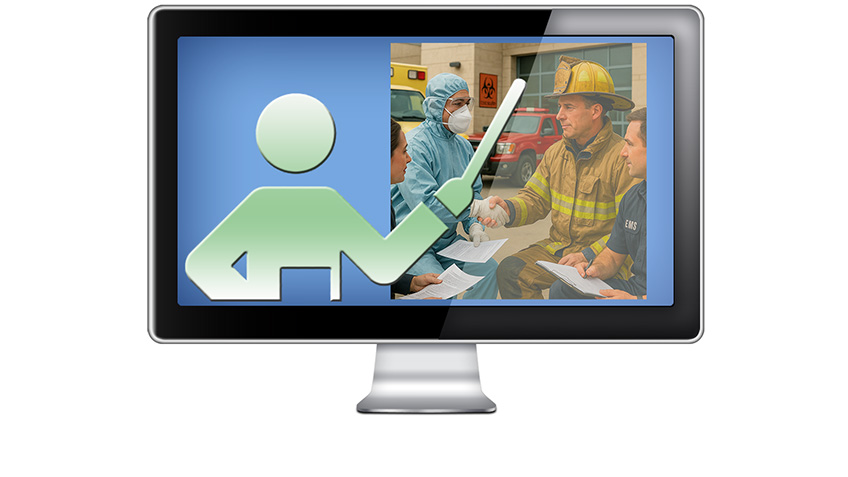
    Laboratories & 1st Responders: Coordination, Planning, & Emergency Response webinar will provide researchers, administrators, and safety professionals working in laboratory facilities with recommendations and best practices on how to establish beneficial working relationships with regional emergency response agencies. This webinar will provide an overview of emergency management functions, strategies for engaging 1st responders, recommendations on how to prepare research facilities for emergencies, and breakout sessions and case studies to discuss how to build relationships, support 1st responders, develop response procedures, and conduct exercise planning. Ample time will be provided throughout the webinar to discuss participant experiences and concerns.

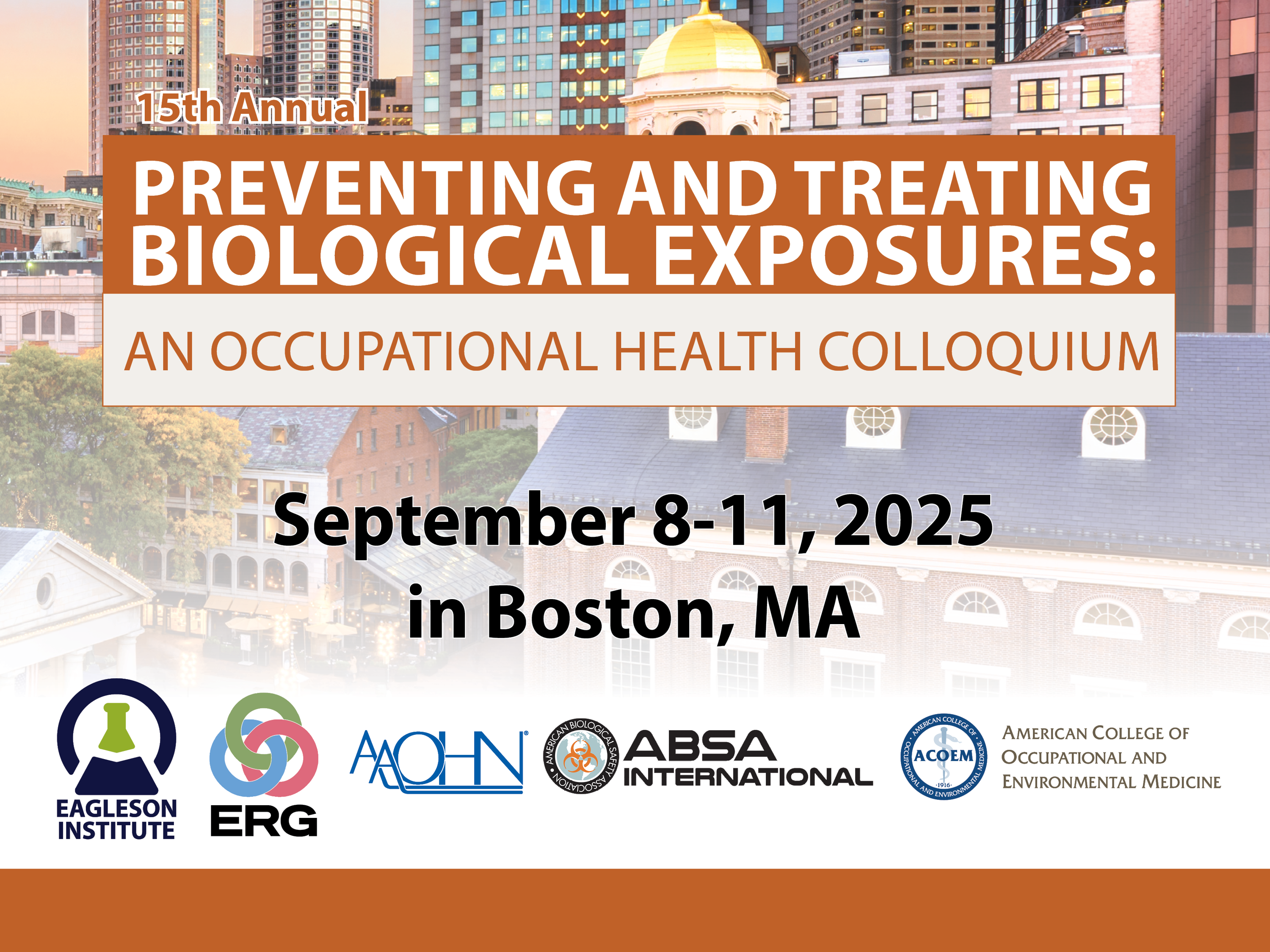
  • 15th Annual Preventing and Treating Biological Exposures: An Occupational Health Colloquium

    ALOFT Boston Seaport District 401-403 D Street, Boston, MA, United States

    Join The Eagleson Institute and the Elizabeth R Griffin Program in Boston, MA this September for the 15th Annual Preventing and Treating Biological Exposures: An Occupational Health Colloquium This event, co-sponsored by ABSA International, connects biosafety professionals with occupational health professionals, bringing together the people who know, with the people who need to know. Topics include: Developing an Occupational Health Program, Preparing for an AAALAC Inspection, Respiratory diseases, Lentiviral and Retroviral Vectors, Laboratory Animal Allergies, Biomedical Research, Best Practices, Travel Medicine, Late Breaking Topics Tour: National Emerging Infectious Disease Laboratory (NEIDL), Boston University.

  • 08. Virus-based Gene Transfer Vectors

    Webinar

    Virus-based Gene Transfer Vectors is an intermediate course that will examine the molecules, processes, and techniques involved in recombinant gene expression. Participants will explore the technology of how viruses are converted into vector systems for the transfer of gene expression constructs. Common viral vector systems, including retroviruses, lentiviruses, adenoviruses, poxviruses, herpesviruses, alphaviruses, and baculoviruses will be discussed with an emphasis on the biosafety characteristics of the vectors derived from these viruses. This course is targeted for the biosafety professional who is not actively conducting laboratory research yet requires a basic understanding of recombinant DNA methodology.

  • 1V. A Helpful Guide to Becoming a Well-Rounded Biosafety Professional Workshop

    Webinar

    Biosafety professionals must grasp the complexity of various hazards present in laboratories, which include not only biological agents but also chemical, radiological, and physical hazards. This course will provide an overview of these key hazards and equip participants with the knowledge needed to assess and mitigate risks within their institutions. Topics will cover biological hazards (including risk assessments and a brief review of laboratory regulations), select agents, chemical hazards (with an emphasis on safety data sheets and hazard communication), industrial hygiene (including respiratory safety, air quality, and waste anesthetic gas management), radiological hazards (including lasers), and animal-related hazards (such as physical risks and allergens). The course will conclude with practical tabletop exercises, allowing participants to apply the concepts learned throughout the course, including risk assessment development, emergency response, and handling unique laboratory conditions.

  • 2V. Program Management Fundamentals for the Biosafety Professionals

    Webinar

    This course is designed for biosafety professionals who are responsible for overseeing biosafety departments. The principles and practices briefly covered in this course are closely related to the Program Management Professional (PMP) certification. By understanding the core competencies of the PMP framework, biosafety professionals can apply project management methodologies to enhance the planning, execution, and evaluation of their biosafety programs. This integration of program management skills with biosafety expertise ensures that participants are well-prepared to lead effective, compliant and sustainable biosafety programs within their organizations. In addition, the course aligns with key international standards and guidelines, such as ISO 35001, which specifies requirements for a biosafety risk management system. Participants will gain insights into how to integrate ISO 35001 principles into their biosafety programs, ensuring a systematic and effective approach to biosafety risk management. The course also covers the World Health Organization (WHO) Biosafety Programme Management Associated Monograph, providing a global perspective on best practices for managing biosafety risks. By familiarizing themselves with the WHO guidelines, participants will be better equipped to implement and maintain robust biosafety programs that meet international standards.

  • 3V. Introduction to the Science and Biosafety of Cell and Gene Therapy Clinical Trials

    Webinar

    The use of recombinant and synthetic nucleic acid molecules in clinical trials is growing at an explosive pace. This course is intended to introduce biosafety professionals to the science and biosafety of gene-based investigational products in clinical trials including gene-based vaccines, gene modified cellular products, gene therapy and gene editing. This course will provide an overview of molecular biology, virology and viral vectors. Participants will discuss risk assessments and best practices for dealing with risks associated with diverse types of biological hazards.

  • 4V. Clinical Biosafety Essentials: A Guide to Integrating Safety Practices from Research to Clinical Environments

    Webinar

    This course addresses the growing need for Biosafety Professionals to apply biosafety principles in the clinical environment. Clinical trials for biological therapeutics are becoming increasingly common. Therefore, safety professionals on regulatory committees such as the Institutional Biosafety Committee must possess a strong understanding of clinical safety, terminology, and regulatory requirements in order to perform an adequate risk assessment of the proposed hazard mitigation measures for these studies. In this course we will explore various clinical spaces, their unique biosafety considerations, and relevant hospital regulations that apply to patient safety, staff safety and a safe environment of care. You will also acquire the knowledge necessary to apply these safety practices in accordance with both research and clinical safety regulations while developing, in collaboration with clinical colleagues, processes that maintain staff safety at all levels.

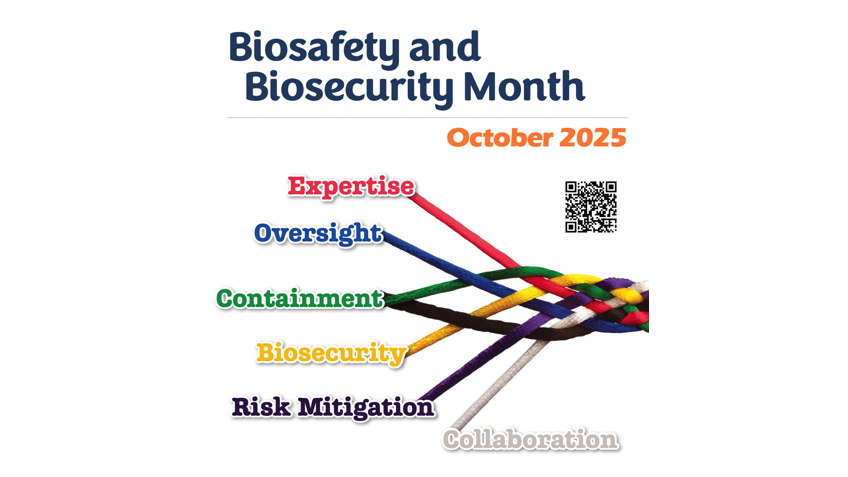
  • ABSA International Biosafety and Biosecurity Month

    ABSA International Biosafety and Biosecurity Month ABSA International is proud to announce the 12th anniversary of Biosafety and Biosecurity Month in October 2025. Use this month to shine the spotlight on training ideas, stewardship and engagement, how to foster positive relationships within the research community, or supporting responsible and ethical research through our profession.

  • 5V. Integrating AI into Biotechnology: A Biosecurity Risk Assessment Workshop (Part 2) – Embodied AI and Automation in Biorisk Management

    Webinar

    As AI becomes increasingly integrated into laboratory operations and risk management, it presents both challenges and opportunities for improving safety and mitigating biological threats. This advanced workshop builds on last year’s course, focusing on biosecurity risk assessment frameworks for AI-enabled systems, with a focus on embodied AI agents and automation. Drawing from recent advances, including the use of humanoid robotic systems with AI in high-containment environments, this course will combine theoretical foundations with hands-on applications. Attendees will engage in case studies and group exercises to assess biosecurity risks associated with AI-driven tools and systems in laboratory settings.

  • 6V. Anatomy of an IBC meeting: Understanding the Structure, Function, and Operations of an Institutional Biosafety Committee

    Webinar

    This four-hour course provides an in-depth look at the anatomy of an Institutional Biosafety Committee (IBC) meeting, exploring its role within the broader biosafety program. Participants will gain a comprehensive understanding of IBC meeting operations, including committee structure, member responsibilities, and the processes that ensure compliance and risk mitigation. Topics covered include the intersection of biosafety programs and IBC functions; roles and responsibilities of IBC members, biosafety staff, and ad-hoc consultants based on their expertise; managing nonconformity issues and implementing corrective actions; the role of pre- and post-IBC meetings in streamlining operations; utilizing the IBC meeting matrix to improve efficiency and decision-making; engaging special reviewers and external consultants when needed; structuring an IBC meeting into different sections such as recombinant DNA, infectious agents, IRE, and subcommittees; handling NIH reportable incidents and urgent post-submission requests; and understanding IBC registration forms, help documents, and compliance tools. Through case studies and discussion-based activities, attendees will leave with a clearer understanding of how to effectively contribute to and enhance IBC meetings. This course is ideal for current and prospective IBC members, biosafety professionals, and institutional stakeholders involved in biological research oversight.

  • 8V. Host Pathogen Interactions for Biosafety Professionals

    Webinar

    The course is intended to introduce biosafety professionals to host-pathogen interactions by focusing on fundamentals of immunology, microbiology and their interplay as they pertain to biosafety risk assessments utilizing instructional videos, case studies, established lab acquired infections and publications. Information from this course can assist biosafety professionals assess risks from microbiological research including potential effects of genetic modifications on virulence and infectivity of pathogens, susceptibility of hosts in in-vitro and in-vivo models for IBC review, assessing impact to the wellbeing of research animal hosts for IACUC review, as well as the occupational safety and occupational health of research personnel.

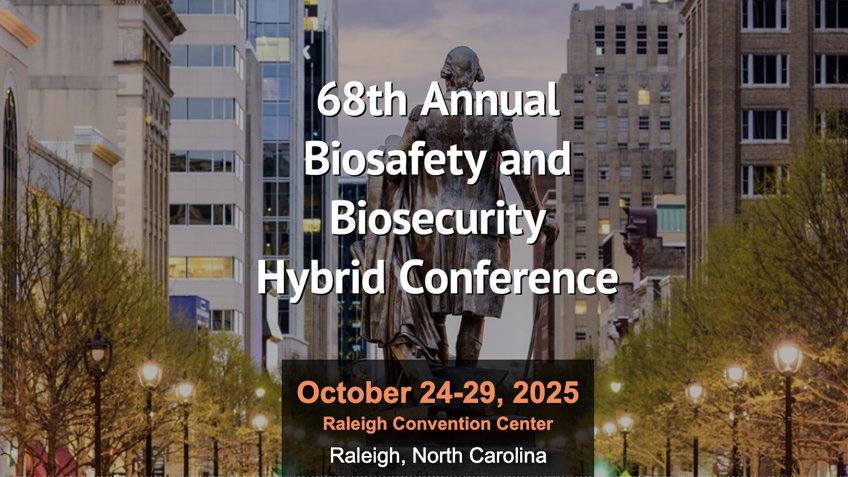
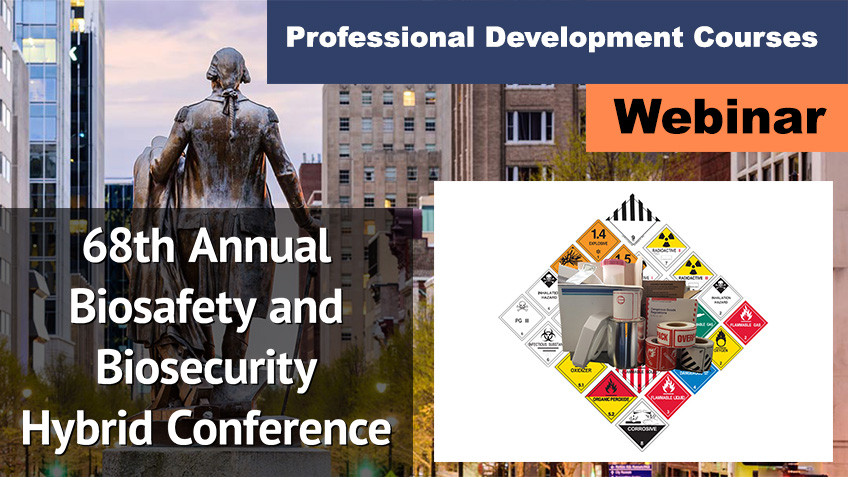
  • 68th Annual Biosafety and Biosecurity Hybrid Conference

    Raleigh Convention Center 500 S Salisbury St, Raleigh, NC, United States

    October 24-29, 2025 Raleigh Convention Center Raleigh, North Carolina Intensive professional development courses to educate and inspire Three full days of state-of-the-art keynotes, papers, and panels highlighting best practices and hands-on skills crucial for today’s biosafety and biosecurity professionals In-person exhibits showcasing the latest in laboratory biosafety and biosecurity products and services Invaluable networking opportunities to share and learn from other biosafety and biosecurity professionals

  • 9V. Keeping it Going: Maintaining and Improving a Select Agent Program Over the Long Term

    Webinar

    Keeping a select agent program going can be difficult, especially in the face of ever-changing regulatory requirements and limited resources. Established procedures may suddenly become unacceptable, interrupting research and frustrating laboratorians. Likewise, a single unexpected adverse event can put an entire program at risk. Being prepared to deal with such changes and events is critical to maintaining a robust program. Anticipating future challenges can be even more advantageous, elevating a program from good to great. A proactive approach can minimize the impact of new requirements and reduce duration and frequency of crises sparked by sudden, unexpected requirements or events. This course will explore strategies for maintaining and improving an existing program, including how to anticipate and respond to new requirements. The focus will be on U.S. select agent requirements, although a small section on comparable requirements in the international community will be included. Strategies will be based on the instructors’ experience with their program with additional input solicited from class attendees during open discussions. Topics will include select agent program history; effective oversight; efficiently meeting ongoing requirements; reporting, responding to, and analyzing incidents; suitability program case studies; inactivation requirements, including “failure” investigation; and inspection preparation and response. The course will consist of topical presentations followed by group discussions aimed at facilitating application of presented strategies to attendees’ individual programs and providing a platform to capitalize on attendees’ collective experience.

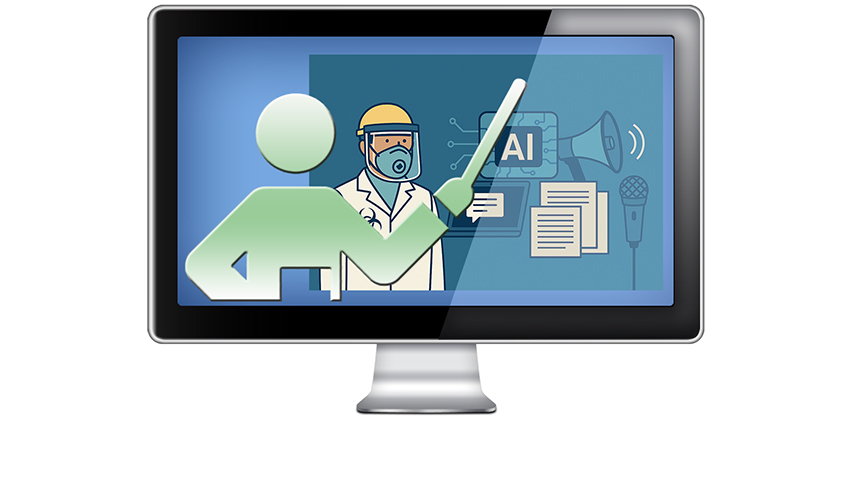
  • 13. From Message to Impact: Using AI to Improve Biosafety Communication

    Webinar

    Virus-based Gene Transfer Vectors is an intermediate course that will examine the molecules, processes, and techniques involved in recombinant gene expression. Participants will explore the technology of how viruses are converted into vector systems for the transfer of gene expression constructs. Common viral vector systems, including retroviruses, lentiviruses, adenoviruses, poxviruses, herpesviruses, alphaviruses, and baculoviruses will be discussed with an emphasis on the biosafety characteristics of the vectors derived from these viruses. This course is targeted for the biosafety professional who is not actively conducting laboratory research yet requires a basic understanding of recombinant DNA methodology.

  • 10V. Infectious Substance Shipping Program Management

    Webinar

    This course is tailored for individuals responsible for establishing and overseeing infectious substance shipping programs within their facilities. This webinar series aims to assist institutions in developing robust shipping programs tailored to their needs. Course elements include: training; written policies; written descriptions of program plans; transport and shipping specific SOPs; safety and security plans; emergency response plans; logistics and supplies; carrier selection and support; MOUs and authorizations; access control and personnel assurance. The instructor will provide a detailed and comprehensive shipping program assessment and implementation guidance document. Attendees will receive an introduction to this document and step-by-step guidance on its completion. By completing the assessment document, attendees will conduct a thorough review to identify areas for improving existing shipping programs. This interactive, instructor led, web-based training will invite attendees to share examples of how these elements are addressed at their own institution.

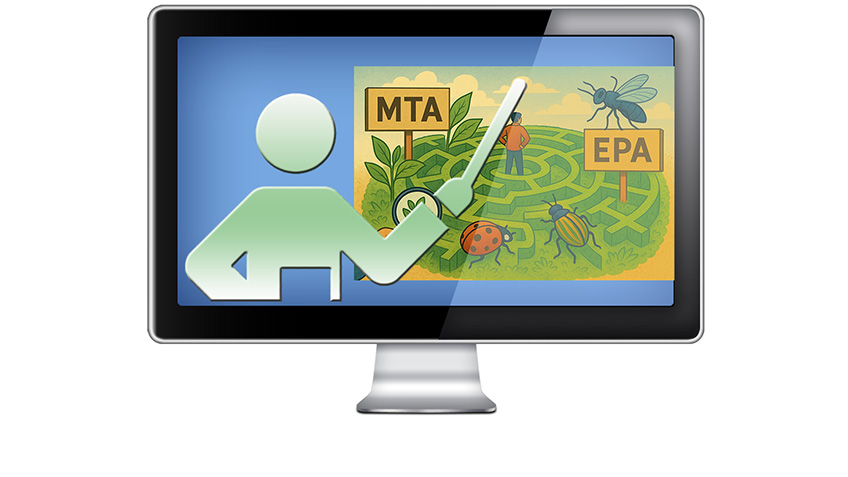
  • 14. Plant & Insect Permit Pathways: Navigating the Regulatory Maze from MTA to EPA

    Webinar

    Part I Foundations and Frameworks – Plant and plant pest research is the backbone of both genetically modified, disease resistance and breeding of both academic and biotechnology research so it is important that research is conducted legally and ethically. The first webinar will cover the importance of having the Material Transfer Agreement (MTA) in place before research begins and a Non-disclosure Agreement (NDA) to protect confidential business information (CBI) and Intellectual Property (IP) rights. We will discuss the Cartagena Protocol on Biosafety, which is an international agreement on biosafety and a supplement to the Convention on Biological Diversity to understand requirements for access and benefit sharing between countries. The class will walk you through setting up an eFile account which is used for applying for permits. This will be the first session of 2 and it will be conducted over a 2-hour period with time for questions and answers. Part II: Federal Compliance – PPQ, BRS, VS, PHYTO, EPA, Biopesticides, Wildlife & Fisheries – The second part of the series will provide participants with an overview of the federal regulations that allow you to import, export and move biological material inside and outside the U.S. legally. The class will expand on the first session by walking you through the ins and outs of applying for different permits. This course will cover the foundations of whether a permit is needed, how to apply for a permit, what type of permit you need, permit conditions, and the result of non-compliance.

  • 01. Intro to Flow Cytometry Biosafety

    Webinar

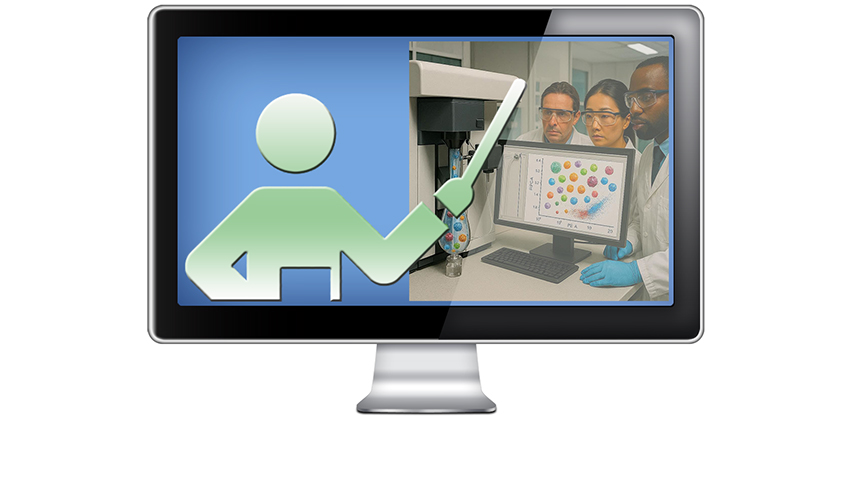
    Intro to Flow Cytometry Biosafety will provide safety professionals and anyone working in a laboratory setting a foundation on flow cytometry and cell sorting and strategies for mitigating the risks associated with typical flow cytometry instrumentation and procedures. This course will include a detailed overview of how flow cytometers work, common sample types that are handled in flow cytometry laboratories, a typical flow cytometry workflow, and considerations for core facilities/shared resource laboratories. The risks associated with flow cytometry and cell sorting will be discussed as well as mitigation strategies that can be implemented to reduce these risks. The course will be presented by experts from the International Society for Advancement of Cytometry (ISAC) Biosafety Committee and will include an overview of the ISAC Biosafety Standards. This course will include lecture material, breakout sessions where attendees will evaluate risks and develop plans for risk mitigation using real-world examples, and ample time for questions.

  • 02. From Expertise to Influence: Public Relations, AI and Your Personal Brand

    Webinar

    From Expertise to Influence is a practical course designed for biosafety professionals seeking to amplify their voice in an increasingly digital landscape. In this course, attendees will discover how artificial intelligence (AI) tools can help create compelling content, streamline personal communications, and establish oneself as a thought leader in biosafety. Examples will be shared of how to better communicate at work and beyond while avoiding common AI pitfalls like generic messaging, factual errors, and loss of your authentic voice. Presenters will explore the latest LinkedIn features and algorithm changes that impact how biosafety professionals can reach colleagues, organizations, and industry partners. Finally, strategies will be shared for optimizing your profile and content for maximum engagement and visibility. At the end of this course, attendees will be able to apply these insights—understanding public relations role in personal branding and the items needed for their personal checklist, to elevate their digital professional presence. This course will be led by communications experts with over 25 years’ experience developing and sharing messages with a wide variety of target audiences in brand-building and crisis situations.

  • 13. Introduction to Biosafety in the Clinical Setting

    Webinar

    The clinical setting poses a different environment than research laboratories. This course provides foundations for applying biosafety concepts in the clinical setting. Course topics include common issues and lessons learned pertaining to clinical facilities including pharmacies, laboratories, clinics, infusion areas, ORs, and waste disposal facilities; PPE, disinfection, risk assessments, and safety practices in the clinical setting; speaking biosafety to doctors, nursing staff, pharmacy staff, infection prevention and control, diagnostic microbiology lab personnel, and hospital EHS staff; applying NIH Guidelines and the BMBL to the clinical setting; gaps in oversight of research safety for clinical trials, and risk assessments for unconventional or highly specialized delivery mechanisms for biologics. The course will conclude with a focus on clinical trials including the role of an IRB and how it can overlap with an IBC; the process for investigational products to obtain FDA approval to be deemed as safe and effective therapeutics; and the evolving regulatory environment in the U.S. for biologics such as vaccines, regenerative medicines, and gene therapy. The course is designed to be highly interactive with discussions, surveys, and group exercises.

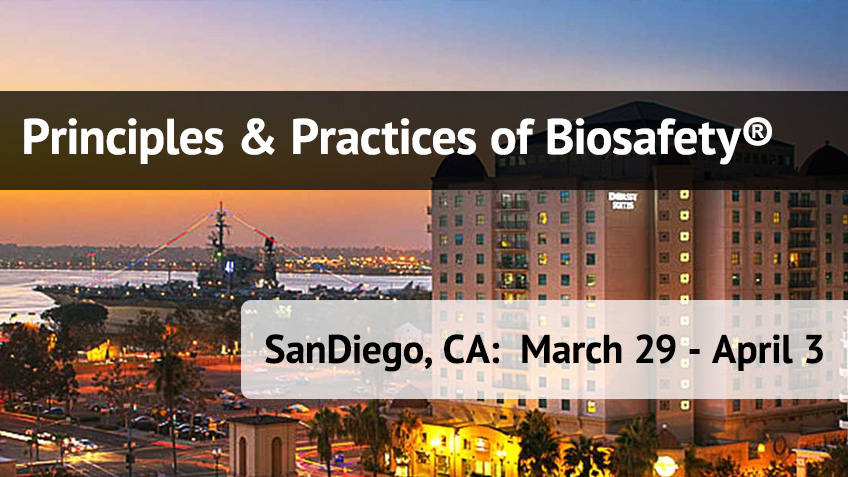
  • Principles & Practices of Biosafety®, San Diego, CA

    Embassy Suites by Hilton San Diego Bay Downtown 601 Pacific Highway, San Diego, CA, United States

    Principles & Practices of Biosafety® will introduce the essential elements of biosafety and provide extensive resource lists for use after the course. Interactive exercises will be used throughout to provide hands-on experience and to encourage networking and problem-solving among participants and instructors.  Objectives At the end of the course each participant will be able to: Describe potentially hazardous biological materials, the risks associated with their use, and the means to minimize risk and to protect against or prevent release or exposure Discuss ways to provide effective technical expertise in situations involving potentially hazardous biological materials Identify, locate, and efficiently use [...]

  • 04. Fundamentals of Microbiology and Infectious Disease

    Webinar

    Fundamentals of Microbiology and Infectious Disease is intended for those professionals who participate in protocol review, facilities planning, and any other risk assessment activities, but are unsure as to the actual nature of the disease risks of microbiological agents. Biological safety and risk assessment will not be covered in this course. The proposed topics will cover infectious agents, virulence factors, pathogenicities, host-microbe interactions, susceptibility, modes of transmission, and the changes seen in the microbial world. If you don’t know the difference between a TCID50, PFU, or ID50; or why HBV is stable in dried blood and HIV is not; or why influenza is an inhalation hazard; or why public health officials advocate flu shots each year—then this course is for you.

  • 26BSS01. Agricultural Biosecurity: Protecting Animal Health, Public Health, and the Environment

    Webinar

    Agricultural biosecurity is a critical component of the One Health concept. It includes various strategies designed to safeguard the health and welfare of agriculturally important animals, the environment, and society in general by preventing infections and their spread among these species, humans, and nontarget species, including wildlife. Increased movement of live animals and their products, as well as the growing trend towards intensification and expansion of animal production systems, represents a significant risk to food supply chains, public health, and the economy due to the possible emergence and spread of exotic animal pests and pathogens, zoonotic diseases, and foodborne agents. Effective management and control of these challenging and complex risks requires application of core principles and cohesive strategies that emphasize sustainability through improved husbandry and health management practices.

  • One Health and Tuberculosis

    This event is hosted by the Texas Department of State Health Services Public Health Region 1 Clinicians, veterinarians, laboratorians, researchers, public health professionals, and the community come together to explore the interconnected challenges of tuberculosis across human, animal, and environmental health. Through expert panels and cross-disciplinary discussions, participants will gain insights into current TB risks, surveillance, diagnostics, and prevention strategies in Texas.

    Free
  • FRaBSA Spring Technical Meeting

    Virtual

    REGISTERhttps://form.jotform.com/260974992411162This meeting will be in a virtual formatONLINE BUSINESS AND TECHNICAL MEETING Friday, April 24, 2026 11:30 – 3:30 pm MST   Current FRaBSA Members – Free Non-Members - $15 North American ABSA Affiliate Members - $10.00 Non-USA Attendees – Free Order of presentations may change  - note the schedule has changed 11:30-12:00 pm          Gathering/Welcome/Introductions- FRaBSA President                                         Business Meeting- FRaBSA President 12:00-12:30 pm          Sponsor Presentation: Merrick                                     [...]

  • 4th Biosecurity Symposium

    Virtual

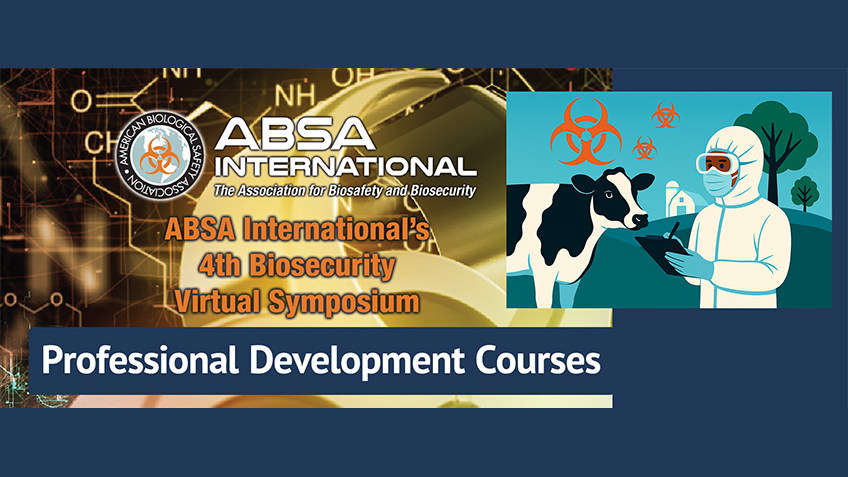
     ABSA International’s4th Biosecurity Virtual SymposiumMay 12-13, 2026The Symposium will bring together biosecurity professionals from a wide range of disciplines with varying expertise to share their experiences and knowledge on diverse biosecurity topics. The Symposium will offer attendees an opportunity to learn the latest in biosecurity and have thought-provoking conversations about real-world biosecurity issues, concerns, and scenarios.

  • 05. Concepts of Virology

    Webinar

    Concepts of Virology will briefly review gene expression in eukaryotes and examine several concepts of virology. Characteristics of different viral families will be presented as well as general replication strategies employed by different viruses. Mechanisms of viral pathogenesis and strategies for antiviral intervention will also be explored. Participants should have a familiarity with molecular biology. The course is targeted to the biosafety professional who does not actively conduct laboratory research but would like to gain a basic knowledge of virology.

  • 09. Utilizing Measures and Metrics to Sell Your Biosafety Program

    Webinar

    This webinar will first summarize the content of the ANSI/ASSP Z16.2-2022 Safety and Health Metrics and Performance Measures report and then provide tangible examples of how actual biosafety program data can be collected, displayed, communicated, and used as the basis for programmatic decision-making while meeting the criteria described in the report. The webinar will include group discussions focused on discovering what data is currently being collected and what data is expected by organizational leadership, so participants are asked to come prepared to describe their respective measures and metrics that are currently being used and which parameters other stakeholders are seeking. The importance of capturing and communicating this information to “sell” your biosafety program to organizational stakeholders will be featured. The ability to effectively “sell” your program can help garner necessary program support and resources for success. Ample time will be allotted for participants’ questions and discussion.

  • 03. Beat the Bite: Tick Safety for Research Teams

    Webinar

    Beat the Bite: Tick Safety for Research Teams provides research personnel with essential guidance and practical tips for safely handling ticks in a laboratory or animal research environment. Attendees will explore the tick life cycle, zoonotic pathogen transmission, key exposure risks during colony maintenance and experiments, and how to apply appropriate biosafety measures including PPE, containment, safe handling techniques, bite prevention, decontamination, tick escape responses, and post-exposure protocols.

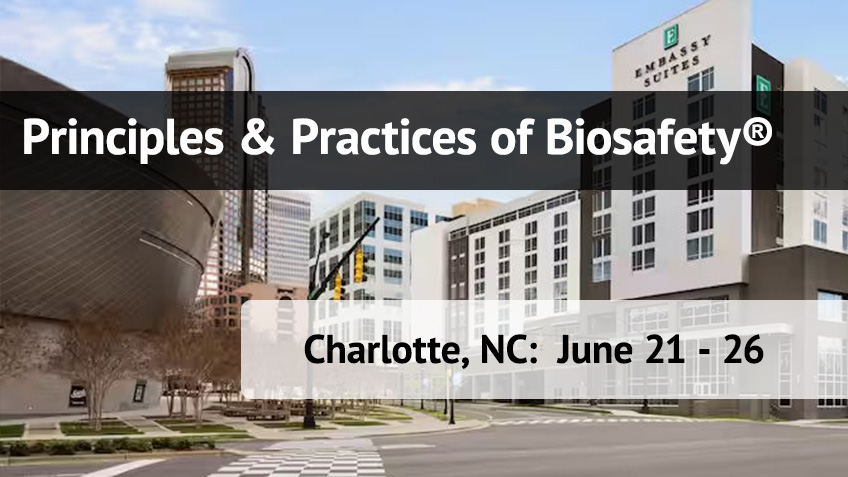
  • Principles & Practices of Biosafety®, Charlotte, NC

    Embassy Suites by Hilton Charlotte Uptown 401 E M.L.K. Jr Blvd, Charlotte, NC, United States

    Principles & Practices of Biosafety® will introduce the essential elements of biosafety and provide extensive resource lists for use after the course. Interactive exercises will be used throughout to provide hands-on experience and to encourage networking and problem-solving among participants and instructors.  Objectives At the end of the course each participant will be able to: Describe potentially hazardous biological materials, the risks associated with their use, and the means to minimize risk and to protect against or prevent release or exposure Discuss ways to provide effective technical expertise in situations involving potentially hazardous biological materials Identify, locate, and efficiently use [...]

  • 07. Large-scale Biosafety

    Webinar

    Large-scale Biosafety will review biosafety for work at large-scale, which the NIH rDNA Guidelines defines as >10L. The course will review Appendix K from GLSP to BSL-3 LS, with a focus on primary and secondary containment. It will review basic bioprocessing steps, such as fermentation/cell culture and purification technologies. Examples of classic and newer single use technologies will be provided. Pearls and pitfalls of the various technologies will be discussed, using various scenarios. The course will include a review of risk assessment techniques used for large scale bioprocesses and a discussion of large-scale related to vaccines, viral vectors, and recombinant proteins.

  • 15. Temporary Workers in Laboratories: OSHA Requirements and Best Practices

    Webinar

    Did you know that temporary workers can be found in many academic, healthcare, and industry workplaces that have laboratories? Do you have temporary workers from a staffing agency working in your institution's laboratories alongside employees? Do you know what the legal definition of a temporary worker is, and how this impacts health and safety in your workplace when a temporary worker works in your institution's laboratories? Have you ever wondered who is responsible for the health and safety of a temporary worker who works in your laboratories? These are just some of the questions that will be reviewed and answered during this one-hour webinar. This webinar is for anyone who is involved in EHS/Biosafety Programs at institutions that hire temporary workers who work alongside employees in the laboratory setting. This webinar will be led by representatives from the US Department of Labor - Occupational Safety and Health Administration (OSHA) Temporary Worker Initiative. They will provide an overview of the temporary worker health and safety requirements as well as share best practices and resources that are available to assist you. There will be time for questions at the end of the presentation.

  • 06. Molecular Biology 101

    Webinar

    Molecular Biology 101 is intended for those professionals that participate in protocol review, facilities planning, and other risk assessment activities but lack a basic understanding of molecular biology and techniques. Following this course, attendees will be able to do more than regurgitate facts and use the new understanding of the principles of molecular biology in various situations at their institution. This course will cover topics such as the chemistry of nucleic acids, DNA replication, RNA transcription, and protein translation, the Central Dogma of Biology, DNA cloning, transfection of prokaryotic and eukaryotic cells, restriction enzymes, and recombinant DNA lab methodologies (including PCR), DNA fingerprinting, sequencing, and detection protocols). While this course will not turn you into a molecular biologist, it will give you enough background information to understand the nature and manipulation of genetic material and hopefully unveil the mystery of deoxyribonucleic acid.
  • 18. The Import Equation: Solving Regulatory Challenges for Biological Materials
    Webinar

    This workshop is designed for professionals involved in the importation of biological materials, including government, academic, and industry stakeholders. The session will provide a foundation in regulatory requirements—grounded in U.S. Customs and Border Protection (CBP) authority—along with key compliance processes and best practices for importing biological materials. Participants will learn how to strengthen partnerships, clarify import processes, enhance biosecurity awareness, and reduce compliance issues. Real-world case studies, practical tips, and interactive discussions will be included to help participants apply lessons in practice.

  • 10. AI‑Enabled Lab Safety: A Hands‑On Workshop for Researchers and Biosafety Professionals

    Webinar

    Artificial intelligence (AI) chatbots are emerging as practical tools to support biosafety and biosecurity programs in communication, hazard analysis, and risk assessment. This interactive two-hour webinar introduces biosafety professionals to responsible and effective use of text-based AI tools to enhance safety documentation and experimental risk evaluations. Participants will learn how to apply AI to break laboratory workflows into task-level hazards, exposure pathways, and control measures aligned with regulatory frameworks and the hierarchy of controls. The session will demonstrate how chatbots can streamline SOP development, risk narratives, incident summaries, and plain-language training materials while maintaining compliance. Emphasis is placed on prompt design strategies for producing structured, reliable outputs. Hands-on exercises guide participants in refining prompts, validating AI-generated content, and addressing biosecurity and data governance considerations. Attendees will leave with practical workflows and reusable prompt templates to integrate AI into biosafety and security operations.

  • 17. Biosafety in the Open Lab: Strategies for Shared Accountability

    Webinar

    Often seen as common place today are teams of engineers, chemists, biologists and bioinformaticians working together in the same space, using shared equipment or shared areas. Biosafety in the Open Lab is a dynamic, collaborative webinar designed for biosafety and general safety professionals, lab managers, and researchers navigating the complexities of shared, multi-user environments. Moving beyond the traditional lecture format, this session serves as a conversational forum for peer-to-peer exchange and real-time problem-solving. Rooted in proven safe work practices, our four panelists will draw on diverse institutional backgrounds and experience to facilitate a candid discussion on managing mixed-hazard spaces and overcoming the "Tragedy of the Commons." Together, we will explore hazard mitigation with a focus on administrative controls that foster shared accountability and shift laboratory mindsets toward collective responsibility. Attendees will walk away not only with a suite of practical tools and templates but with the collective wisdom of a community dedicated to shoring up institutional safety through inspiration, commiseration, and action.

  • 2026 Biosafety and Biosecurity Training Course® (BBTC)

    Hilton Fort Collins 425 West Prospect Road, Fort Collins, CO, United States

    ABSA BBTC Fort Collins August 10-14, 2026 Hilton Fort Collins Fort Collins, Colorado A WEEK-LONG COURSE COVERING ANIMAL, GENERAL, AND PLANT BIOSAFETY AND BIOSECURITY The Biosafety and Biosecurity Training Course® (BBTC) is designed for persons who are interested in the varying aspects of the responsibility of biosafety professionals. It is also suitable for persons who supervise biosafety professionals and for those who will benefit from additional knowledge of biosafety as a complement to their primary responsibilities. The weeklong training will address preparations for audits and inspections, BSL-2/BSL-3 building design and operations, clinical and public health lab biosafety, prion disease [...]

  • 08. Virus-based Gene Transfer Vectors

    Webinar

    Virus-based Gene Transfer Vectors is an intermediate course that will examine the molecules, processes, and techniques involved in recombinant gene expression. Participants will explore the technology of how viruses are converted into vector systems for the transfer of gene expression constructs. Common viral vector systems, including retroviruses, lentiviruses, adenoviruses, poxviruses, herpesviruses, alphaviruses, and baculoviruses will be discussed with an emphasis on the biosafety characteristics of the vectors derived from these viruses. This course is targeted for the biosafety professional who is not actively conducting laboratory research yet requires a basic understanding of recombinant DNA methodology.

  • 16. Introduction to Animal Research for Biosafety Professionals

    Webinar

    Animal Research has contributed to major scientific advances in biomedical, veterinary, environmental, and public health science, but presents unique safety challenges and significant risks due to diverse species, complex procedures, and facility hazards. Balancing optimal worker safety and animal welfare with research objectives yields the best results but requires a solid understanding of how animal programs are managed and an ability to identify and mitigate inherent risks. This course provides a thorough introduction to routine hazards commonly encountered in animal programs that utilize rodents, small animals, nonhuman primates, aquatics, and agricultural species, with a primary focus on identifying and managing biological, chemical, radiological, and physical hazards. Topics include assessment and management of animal program hazards; universal regulations, guidelines, and quality standards that apply to animal research; duties and responsibilities of key program personnel; local oversight systems; best practices that enhance the quality of animal care; and strategies for biosafety professionals to develop and maintain effective partnerships with program staff and institutional animal care and use committee members. Opportunities will be provided to apply new knowledge and skills through interactive group activities and problem-solving sessions. The instructors are experienced laboratory animal veterinarians who are actively involved in management, oversight, and evaluation of animal care and use programs. The primary target audience for this course are biosafety and general safety professionals with limited experience in the animal research environment.

  • 1V. ISO35001: A Stepwise Process to Assess and Improve Biorisk Management Program

    Webinar

    August 21, August 24-25, and August 27-28, 2026, 11:00 am – 12:40 pm CDT, In 2019, ISO published a new biorisk management standard that many biomedical research laboratories all over the world are adopting. This workshop will provide presentations, facilitated discussions, and tools to introduce concepts related to biosecurity and biosafety (biorisk) management systems. Attendees will gain a deep understanding of biorisk management (BRM) systems and learn to apply the ISO 35001 framework as a strategic planning tool. The course guides participants in mapping their current systems to the ISO standard, identifying gaps, and prioritizing improvements to enhance biosafety and biosecurity practices. Using the ISO 35001 as a planning and mapping tool, will enable institutions to effectively identify, assess, control, and monitor the laboratory biosafety and biosecurity risks associated with hazardous biological materials using the concept of continual improvement through the PDCA (Plan-Do-Check-Act) principle.

  • 2V. Host Pathogen Interactions for Biosafety Professionals

    Webinar

    September 1 and September 3, 2026 - The course is intended to introduce biosafety professionals to host-pathogen interactions by focusing on fundamentals of immunology, microbiology and their interplay as they pertain to biosafety risk assessments utilizing instructional videos, case studies, established lab acquired infections and publications. Information from this course can assist biosafety professionals assess risks from microbiological research including potential effects of genetic modifications on virulence and infectivity of pathogens, susceptibility of hosts in in-vitro and in-vivo models for IBC review, assessing impact to the wellbeing of research animal hosts for IACUC review, as well as the occupational safety and occupational health of research personnel.

  • 11. Enhancing Biosafety Training with Generative AI: Multimedia Tools, Workflows, and Best Practices

    Webinar

    Enhancing Biosafety Training with Generative AI: Multimedia Tools, Workflows, and Best Practices is a practical, application focused course designed for biosafety and biosecurity professionals who develop or deliver training and want to incorporate generative AI to make their materials clearer, faster to build, and more engaging. This session goes beyond introductory AI concepts to show exactly how image, audio, and video generation tools can support the creation of effective biosafety training modules. Attendees will explore free and low cost AI tools capable of generating lab specific visuals, infographics, audio, and short instructional video clips. Instructors will compare the strengths of tools such as Copilot, ChatGPT, Gemini, and other emerging options, and demonstrate how each can be applied to biosafety training.

  • 3V. IATA Infectious Substance Shipping Certification

    Webinar

    September 9, 11, 14, 16 and 18 - This course provides essential training for individuals seeking IATA certification for infectious substance shipping. Designed for participants with some prior experience in handling or shipping infectious substances who may not have been certified within the past three years, the course is delivered through five 100-minute online sessions. Each session is followed by homework assignments that reinforce practical skills such as classifying, marking, labeling, packaging, and completing documentation for various infectious substance shipments (Category A, Category B, Exempt Patient Specimens). These assignments replace traditional classroom activities and are required for successful course completion. This course is suitable for personnel responsible for packaging, marking, and labeling shipments of all categories of infectious substances, including dry ice and liquid nitrogen. To earn a certificate and course credit, participants must complete all assignments and pass (80% or better) a written exam administered at the conclusion of the course.

  • (postponed) 12. Accidents to Actions: Lessons from Laboratory Acquired Infections

    Webinar

    This course describes the resources currently available to provide data on 3,962 Laboratory-acquired infections (LAIs) published between 1979 and 2025 that occurred in clinical, teaching, veterinary laboratories, field studies, and industrial vaccine production. Case studies will highlight some of the challenges for exposure prevention in each setting to show how LAI data can support your biosafety program.

  • 16th Annual Preventing and Treating Biological Exposures: An Occupational Health Colloquium

    Johns Hopkins University Bloomberg Center 555 Pennsylvania Ave NW, Washington, DC, United States

    Join The Eagleson Institute and the Elizabeth R Griffin Program in Washington, DC this September for the 16th Annual Preventing and Treating Biological Exposures: An Occupational Health Colloquium. This event, co-sponsored by ABSA International, connects biosafety professionals with occupational health professionals, bringing together the people who know, with the people who need to know. Agenda: Preconference Classes – September 16 Managing Exposures: Implementing an Occupational Health Template Developed by Wadsworth Center David Hill, MEM, CIH - Director of Safety, New York State Department of Health Viral Vectors – What Do You Need to Ask? Patrick Condreay, PhD, RBP - Biosafety [...]

  • 14. Toxin Science and Safety

    Webinar

    Toxin Science and Safety will provide a basis for the biosafety professional who does not conduct research with these agents but requires a basic understanding of biological toxins and venoms. Since these agents can have such drastic pharmacological effects, they are of great interest to the biomedical research community. An increasing number of research and industrial laboratories are using some of these agents as laboratory reagents. In addition, there are a number of venomous vertebrate and invertebrate species that may be studied in a research environment and can present unique safety considerations. This introductory course will also provide laboratorians working with or contemplating work with these agents with additional foundational knowledge and recommended best practices. The webinar will include interactive case history and risk assessment exercises to apply some of information described in this course.

  • Mid-Atlantic Biological Safety Association (MABSA) Virtual September Meeting

    Virtual

    The Mid-Atlantic Biological Safety Association (MABSA) is pleased to announce its virtual September meeting on September 24, 2026 at 1:00pm (EST). Members: free virtual Non-Members: $20 virtual Non-member registration offers one year membership in 2026. Students: $10.00 virtual Meeting agenda see the link. Non-member registration uses the link. Member registration provides your name and email to treasurer@mabsa.org.

    Free – $20
  • 4V. Refresher IATA Shipping Certification

    Webinar

    September 30 & October 2 - This course is intended for those who are already experienced dangerous goods shippers. Professionals who wish to participate in this course must have completed an IATA Dangerous Goods certification course in the past 3 years. This refresher course updates participants on U.S. and international regulations affecting infectious substance shipping. It includes a brief review of regulations, shipper responsibilities, and the nine hazard classes, plus in-depth guidance on classification (Category A, Category B, and exempt materials) and requirements for packaging, marking, and labeling shipments—including those with dry ice or liquid nitrogen. Attendees will complete hands-on exercises, including marking and labeling packages, preparing shipper’s declarations and air waybills, and filling out required documentation. The course concludes with a review and certification test, requiring a minimum score of 80% to pass. Note that IATA certification is issued by the employer.