
Tuesday, September 19 and Thursday, September 21, 2023, 11:30 AM – 4:00 PM CDT
3V. When & Why Does Biosafety Need a Seat at the Plant Research Design Table?
Plant Biosafety is a niche within the biosafety community. How to build and maintain a greenhouse, arthropod and seed processing program can be challenging for biosafety managers because there have not been many courses offered on this topic. This class offers the basics from head house to pathogen/arthropod containment greenhouse design. Plant research is the backbone of both genetically modified, disease resistance, growth enhancement, seed health and breeding of both academic and biotechnology research. Plant biosafety is a niche within biosafety that makes you ask – Do the engineers and project managers understand the need for and when to ask for biosafety input? This course will provide participants with an overview of designing greenhouses from headhouse, seed activities to arthropod containment using the APHIS and ACL containment guidelines. The course will offer a variety of advanced scenarios and interactive exercises that demonstrate the range of biological and other risks routinely encountered in plant research. Participants will be guided through strategies for identifying potential hazards, assessing the magnitude and extent of induced risks and cost, and developing effective control measures to protect the safety of workers, plants, and the environment. The course employs “real world” examples to improve understanding of greenhouse, arthropod and seed operations.
Objectives:
- Restate the established APHIS, ACL containment guidelines, and the established APHIS containment guidelines
- Review and implement guidelines, hazard identification, and risk assessment techniques as they apply to plant, arthropod, and seed research
- Report and communicate biosafety requirements to site engineers and project managers
Suggested Background: None
Target Audience: Experienced Biosafety Professionals, Laboratory Workers, All Safety Professionals, Insectary Personnel
Audience Level: Intermediate
Course Length: 8 hours (two 4-hour live sessions with a 30-minute break each session)
This webinar will be two 4-hour webinar sessions on Tuesday, September 19 and Thursday, September 21, 2023, 11:30 AM – 4:00 PM CDT with a 30-minute breaks. For the webinar, you should plan on logging in at 11:15 am (CDT) on September 19 and September 21. You are required to attend the webinar session, complete the pre-course and post course assessments, and complete the evaluation in order to receive the completion certificate through the ABSA International Training Site. The link in the invitation will be unique to the user and cannot be shared.
CONTACT HOURS
This course has been approved for 1.0 CM points toward RBP/CBSP recertification. ABSA International is approved as a provider of continuing education programs in the clinical laboratory sciences by the ASCLS P.A.C.E.® Program. This course is approved for 8.0 P.A.C.E.® contact hours.
COURSE FACULTY

Deborah Howard is the Expert, Global Environment, Health and Safety Biological Materials Managerfor BASF where she has oversight of greenhouses, laboratories, inoculant and fermentation sites. She has been the Biosafety Manager at BASF (Bayer buyout in 2018) since May 2014. Deborah has extensive experience with Select Agent regulations, exporting, greenhouse, arthropods, genetically modified plants and animals. She has over 30 years of experience in health and safety and knowledge of regulations including NIH, OSHA, EPA, APHIS, and USDA. Previously, she was the Biosafety Manager at UNC Chapel Hill.
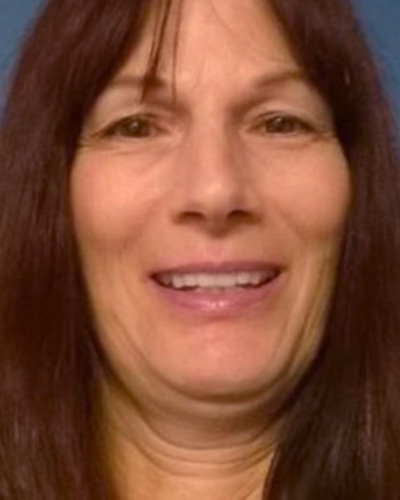
Anita has 10 years of experience in the fields of Occupational Safety, Biological Safety and Laboratory Safety. She has worked at BASF for 35 years and is currently the North America Biosafety Manager. Prior to joining BASF, Anita worked at North Carolina State University in Raleigh, NC. She received a degree in Botany from NCSU in 1983.Anita currently oversees the North American Biological Safety Programs. She works with site biosafety representatives to oversee these areas. She participates and several global biosafety teams at BASF.

Janet Griffiths is the lab manager for the Insect and Plant Propagation Team at BASF. She has worked in this role for the last 10 years. Janet has 17 years’ experience in insect and plant rearing, with 15 of those years in lab management, mostly in multi species labs. Janet has worked with over 40 species of arthropods through the years. Prior to working at BASF, Janet spent 4 years managing insect rearing, plant propagation, and research involving plant/insect interaction at the Soil Arthropod Ecology Lab in the entomology department at North Carolina State University (NCSU). Before NCSU, Janet worked for North Carolina Department of Agriculture (NCDA) in Plant Protection where she supervised the lab that massed reared a predator beetle for release as a management tool for an invasive species. She also worked for NCDA Agronomic Division, working within a chemistry lab processing soil samples for farmers and local residents of NC.
COURSE FEES
ABSA Members: $640 USD (post 9/4 – $690)
Nonmembers: $740 USD (post 9/4 – $790)
To obtain the ABSA member rate, the participant will need to be an ABSA member in the year in which the training is offered. Course fees include: course handouts, access to the ABSA International training site, and 8-hours of interactive instruction from a well-respected subject matter experts.
Confirmed, paid participants will be sent detailed information regarding the course approximately one week prior to the course. Substitutions allowed with notice by 8/22/2023. There is a 15% processing fee for cancellations prior to 8/22/2023. Cancellations between 8/22/2023 and 8/29/2023 will be refunded at 50% of the course fee. No refunds after 8/29/2023.
The links to the various invitations for the course will be unique to the user and cannot be shared. The links are for single, individual use only. If more than one occurrence of an individual’s name is on the attendee list for the webinar through Zoom platform all instances of that person’s name will be removed from the webinar with no refund. The webinar and its associated links are for single, individual use only.
You must be logged in to post a comment.